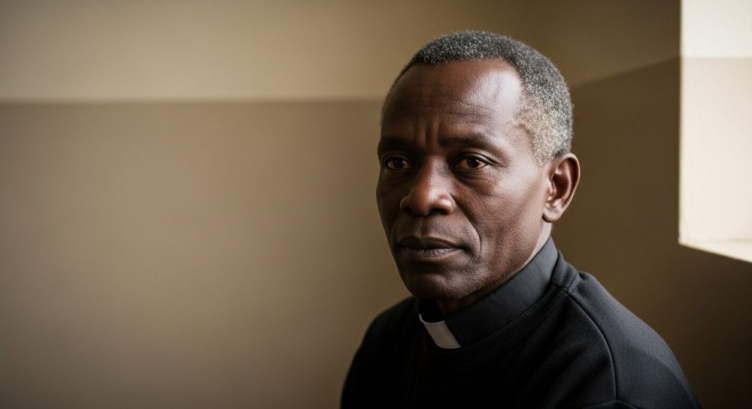
CARY, North Carolina — The family of a 55-year-old Liberian pastor held in U.S. immigration detention is demanding answers after he suffered a stroke while in the custody of U.S. Immigration and Customs Enforcement (ICE), leaving him partially paralyzed, according to his family.
Pastor Gabriel Johnson, a Liberian immigrant who has lived legally in the United States since he was 15, was taken from his home in Cary, North Carolina, on July 15 and has since been transferred among multiple immigration detention facilities.
His family says Johnson suffered the latest stroke on July 30 while being held at an ICE detention facility in Alvarado, Texas.
The family told U.S. media outlets that Johnson has a history of high blood pressure and had previously suffered strokes. They now question whether he received adequate medical care while in immigration custody.
According to the family, Johnson is now paralyzed on the left side of his body following the stroke.
Family Raises Concerns Over Medical Care
Johnson’s relatives say they became increasingly concerned about his health and access to medication after he was detained. His daughter, Gabri, told NBC News that her father was not consistently receiving his prescribed medication while in detention. She also said he was not getting enough food and water.
The family believes the lack of consistent medical care may have contributed to the deterioration of his condition, although the circumstances surrounding his stroke and the medical treatment he received remain subject to further investigation.
Johnson spent about two weeks at the Stewart Detention Center in Lumpkin, Georgia, before being transferred to Alvarado, Texas. His multiple transfers have made it difficult for relatives to locate and visit him, the family said.
‘Difficult to Find Our Loved One’
According to the family, some relatives were eventually able to visit Johnson in Texas, but locating him became particularly difficult after he was hospitalized following the stroke. The family said they were forced to navigate a complicated detention system to determine where Johnson had been transferred and where he was receiving medical treatment.
Their concerns have now grown beyond his detention status to questions about his health and whether he is receiving adequate medical attention. Johnson’s relatives are calling for greater transparency regarding his treatment and medical condition while in ICE custody.
A Longtime U.S. Resident
Johnson’s family says he has lived in the United States legally since he was 15 years old. His detention has therefore raised additional concerns among relatives about how and why he came to be held by immigration authorities after decades in the United States.
The family is seeking answers about the circumstances that led to his arrest and detention, his transfers between facilities, and the medical care he received before and after the stroke. The case has also drawn attention to the vulnerability of detainees with serious medical conditions, particularly those who depend on regular medication.
Health Concerns in Detention
Johnson’s family says his medical history was known before his latest health emergency. In addition to previous strokes, relatives say he has a history of high blood pressure and requires consistent medical treatment. They contend that his access to medication was inconsistent while he was detained. The family also alleges that he did not receive adequate food and water.
Following the July 30 stroke, relatives say Johnson was left with paralysis on the left side of his body. The family is now pressing for answers about whether his medical needs were properly assessed and addressed during his detention.
Family Demands Answers
For Johnson’s family, the immediate priority is his health. They want authorities to explain what medical treatment he received, whether his prescribed medications were administered consistently, and why his condition deteriorated while in custody. They are also seeking clarity on his continued detention and his legal status in the United States.
The circumstances surrounding Johnson’s detention and medical treatment have not been fully resolved publicly. His case now places renewed focus on the treatment of medically vulnerable immigrants held in U.S. detention facilities — and on the responsibility of immigration authorities to ensure detainees receive appropriate medical care.
For Johnson’s family, however, the issue is personal.
They are not only asking where their loved one is being held. They want to know whether enough was done to protect his health before a medical emergency left him partially paralyzed.
Support Independent Journalism
Your support helps FrontPage Africa continue delivering independent, credible, and impactful journalism. Every contribution strengthens our ability to investigate, inform, and hold power accountable while keeping quality journalism accessible to our readers.
Support our journalism or subscribe to receive the latest FrontPage Africa stories and updates.