National conference to bring banks, judiciary, businesses and policymakers together to tackle Liberia’s non-performing loan crisis.
By Gerald C. Koinyeneh
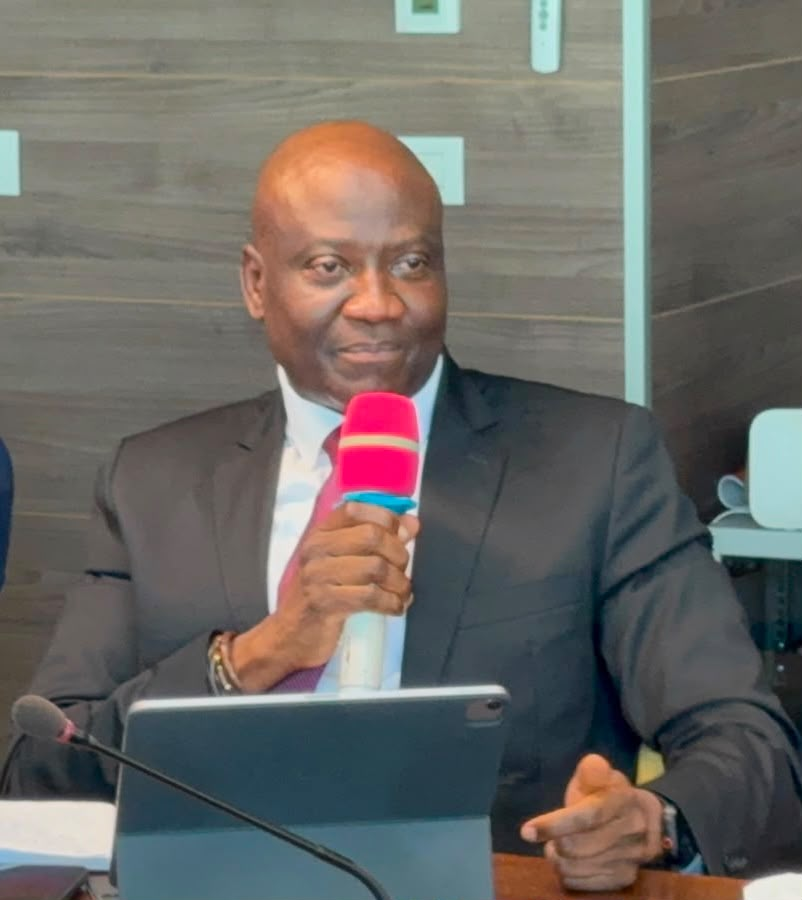
Monrovia— Central Bank of Liberia Executive Governor Henry F. Saamoi has warned that Liberia’s growing challenge with non-performing loans could undermine access to credit, private-sector development and broader economic growth if left unaddressed.
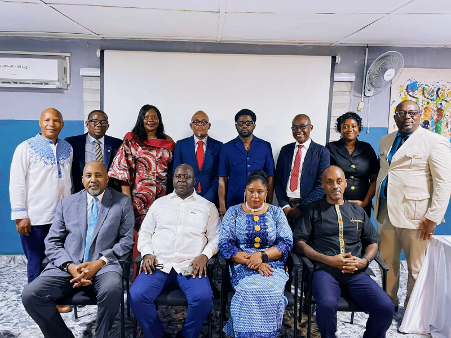
Saamoi made the statement Wednesday, August 12, during a media orientation at the Central Bank of Liberia ahead of the National Non-Performing Loans Conference, which is expected to bring together policymakers, financial institutions, members of the judiciary, legal professionals, development partners, business leaders, legislators and other stakeholders.
The Governor described the upcoming conference as more than a financial-sector gathering, calling it a “strategic national dialogue” aimed at confronting one of the persistent constraints to Liberia’s economic development.
“When a significant portion of loans are not repaid according to agreed terms, financial institutions become more cautious in extending new credit, businesses face financing constraints, investors lose confidence, and economic expansion slows,” Saamoi said.
He stressed that the impact of non-performing loans extends beyond commercial banks.
The problem, he said, affects entrepreneurs seeking capital to expand their businesses, farmers looking for financing to increase productivity, young people pursuing economic opportunities, women-owned enterprises seeking to grow and communities in need of jobs and investment.
“Therefore, addressing the NPL challenge is not only a banking-sector priority; it is a national development imperative,” Saamoi said.
Building a Stronger Credit Culture
The conference will focus on practical and sustainable measures to improve loan recovery, collateral enforcement, credit discipline and responsible lending.
According to Saamoi, the Central Bank’s objective is to help build “a stronger credit culture that promotes greater access to financing while safeguarding financial stability.”
A major component of the discussions will be the modernization of Liberia’s credit infrastructure, including the Enhanced Collateral Registry System.
Saamoi said an effective collateral-management system is critical to expanding financial inclusion and improving access to credit, particularly for small and medium-sized enterprises.
By strengthening the legal and operational framework governing secured transactions, he said, Liberia can increase lenders’ confidence while creating more financing opportunities for businesses and households.
Loan Recovery and the Justice System
The conference is also expected to examine the legal and institutional challenges that have historically complicated loan recovery in Liberia.
Saamoi said predictable legal and regulatory mechanisms are necessary to ensure that disputes involving lenders and borrowers can be resolved efficiently.
He emphasized that financial-sector stability requires a balance between protecting financial institutions and ensuring that responsible borrowers have access to financing.
“The Central Bank believes that sustainable economic growth requires a financial system that is both stable and inclusive,” he said.
That, he added, means creating an environment in which responsible borrowers can obtain financing, financial institutions operate within effective risk-management frameworks, and disputes are resolved through predictable legal and regulatory processes.
CBL Appeals to Media
The CBL Governor also urged journalists to help translate technical discussions about non-performing loans into information that ordinary Liberians can understand.
He said issues surrounding bad loans, access to credit, collateral systems, debt obligations and financial-sector reforms directly affect households, businesses and communities.
“We therefore encourage you to help bridge the gap between technical policy discussions and public understanding,” Saamoi told journalists.
He called for accurate, balanced and insightful reporting on the conference and its outcomes, arguing that informed public debate could help strengthen financial literacy and encourage responsible borrowing and repayment.
Saamoi also encouraged journalists attending the conference to ask questions and seek clarification on complex issues surrounding Liberia’s credit market.
A National Development Issue
The Central Bank’s position is that addressing non-performing loans must form part of a broader effort to strengthen Liberia’s financial system and support economic expansion.
High levels of unpaid or distressed loans can restrict banks’ ability and willingness to lend, potentially making credit more expensive or difficult to obtain for businesses and individuals.
For a country seeking to expand private-sector activity, increase financial inclusion and create employment opportunities, Saamoi said, resolving these challenges is essential.
The Governor said the success of the National Non-Performing Loans Conference will ultimately depend not only on the quality of discussions among stakeholders but also on whether its recommendations can be translated into meaningful reforms and understood by the wider public.
He pledged the Central Bank’s commitment to working with stakeholders toward “a more resilient financial sector, a stronger credit culture, expanded access to finance, and a more prosperous Liberia.”
Support Independent Journalism
Your support helps FrontPage Africa continue delivering independent, credible, and impactful journalism. Every contribution strengthens our ability to investigate, inform, and hold power accountable while keeping quality journalism accessible to our readers.
Support our journalism or subscribe to receive the latest FrontPage Africa stories and updates.