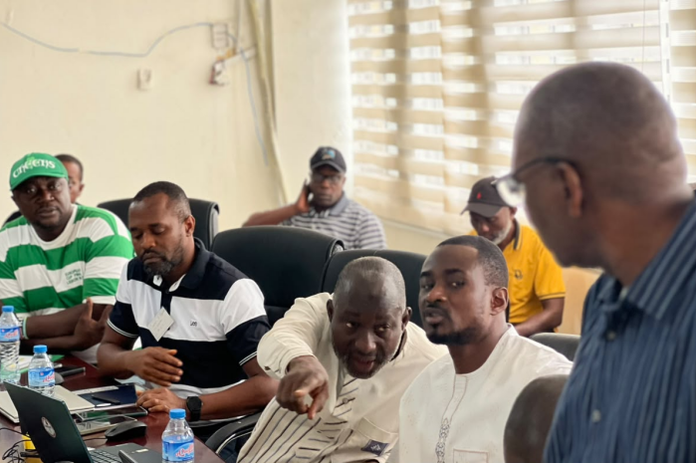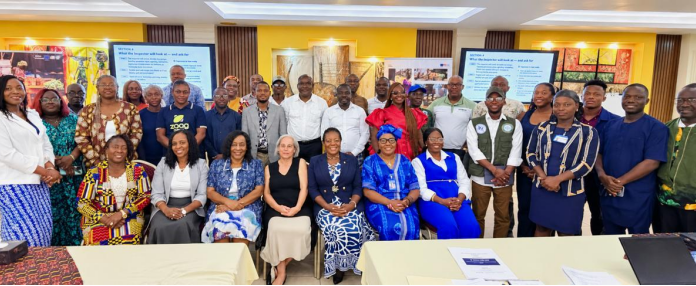
Monrovia — Sister Aid Liberia, in collaboration with Women NGOs Secretariat of Liberia and Sister Hand Liberia, convened a high-level strategic meeting with senior officials of the Government of Liberia to address the alarming surge in sexual and gender-based violence (SGBV) across the country.
By Patience M. Jones
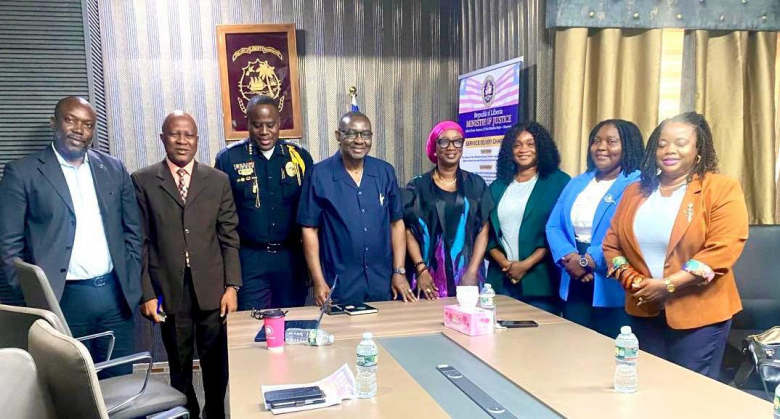
The engagement brought together representatives from the Ministry of Justice, the Ministry of Gender, Children and Social Protection and the Inspector General of the Liberia National Police.
Discussions focused on strengthening national prevention and response mechanisms and mobilizing sustained domestic investment to combat SGBV through a coordinated multi-actor approach.
During the meeting, the three civil society organizations presented concerning statistics and highlighted key structural and operational challenges undermining effective SGBV response services.
These challenges include: Limited access to comprehensive medical, psychosocial, and legal support for survivors, Inadequate shelters and safe spaces, particularly outside Monrovia, Weak referral pathways and case management systems, Under-resourced Women and Children Protection Sections, Delays in investigations and prosecutions, Persistent stigma, fear of retaliation and low reporting rates.
Insufficient and inconsistent funding for SGBV prevention and response efforts gaps in implementing existing legal and policy frameworks, including the Domestic Violence Act, the Rape Law, the Children’s Law and other relevant criminal justice provisions.
The civil society representatives emphasized the urgent need for increased domestic budgetary allocations, strengthened multi-sectoral coordination, enhanced accountability within the justice and security sectors and the expansion of survivor-centered services nationwide.
They further underscored the importance of scaling up prevention initiatives—particularly those that engage men, boys and young people—to challenge harmful social norms that perpetuate violence.
The organizations stressed that ending SGBV requires sustained and collective action across government institutions, law enforcement agencies, civil society organizations, youth groups and communities.
In response, government officials reaffirmed their commitment to reinforcing national SGBV prevention and response frameworks.
They called for deeper collaboration with civil society and community stakeholders to ensure coordinated, survivor-centered and community-driven interventions aimed at protecting women, girls and other vulnerable groups.
Following extensive discussions, both government representatives and civil society partners agreed on immediate and long-term strategic actions to strengthen prevention, improve service delivery and enhance accountability.
The parties collectively reaffirmed their commitment to a broadened, inclusive multi-actor approach to confront the rising wave of SGBV incidents in Liberia.
Support Independent Journalism
Your support helps FrontPage Africa continue delivering independent, credible, and impactful journalism. Every contribution strengthens our ability to investigate, inform, and hold power accountable while keeping quality journalism accessible to our readers.
Support our journalism or subscribe to receive the latest FrontPage Africa stories and updates.