Senior Ambassador-at-Large Shoniyin says the December presidency must advance peace, prosperity and Liberia’s long-term foreign-policy objectives
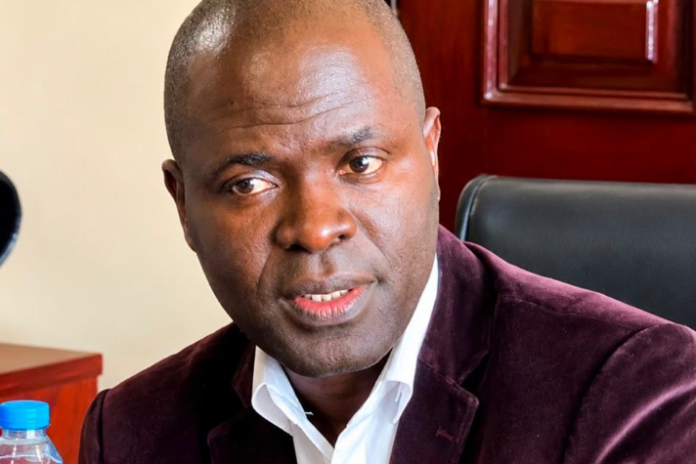
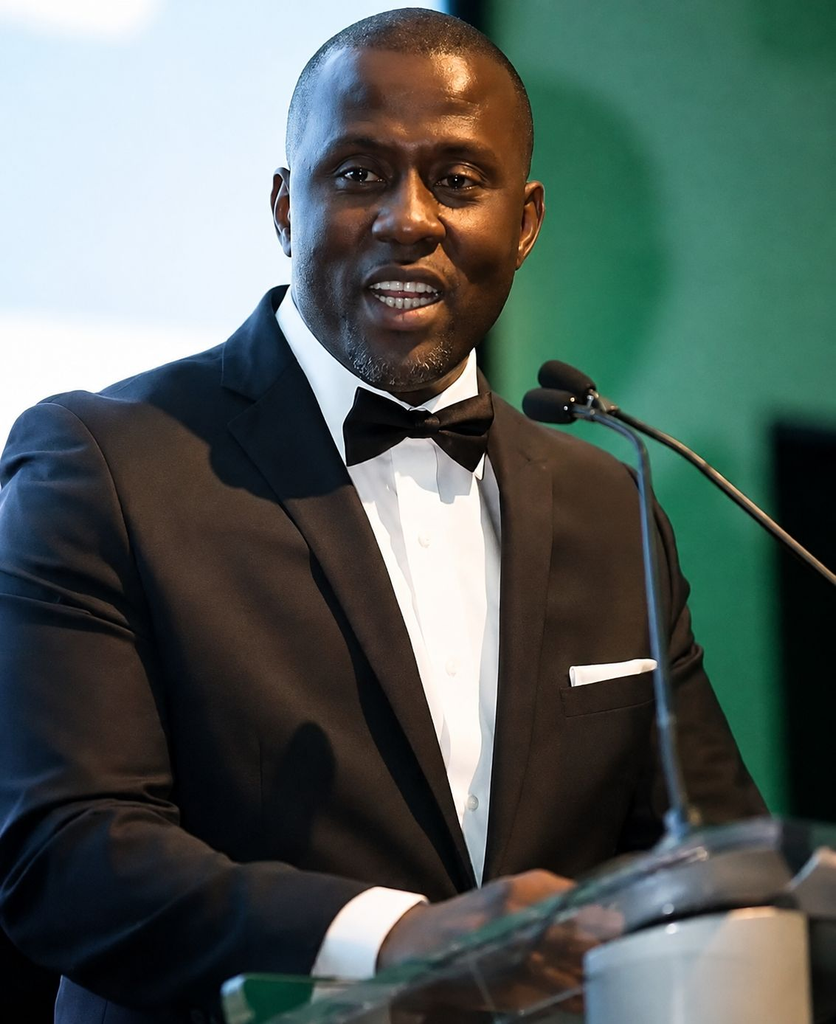
Monrovia — Senior Ambassador-at-Large B. Elias Shoniyin has called on Liberia to treat its forthcoming presidency of the United Nations Security Council not merely as a diplomatic honor, but as a strategic instrument for advancing the country’s foreign-policy priorities and national development agenda.
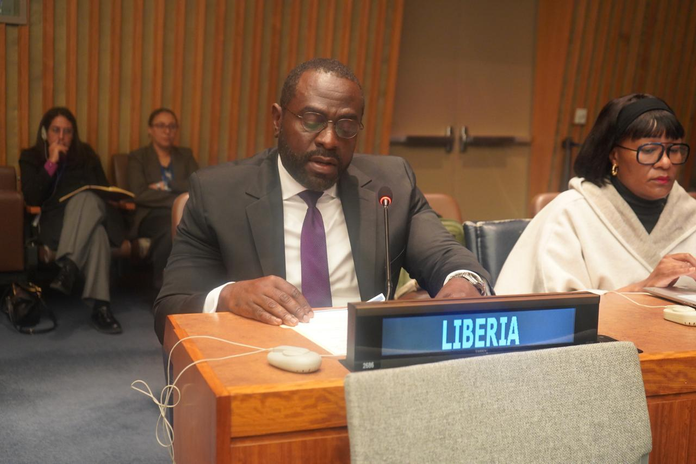
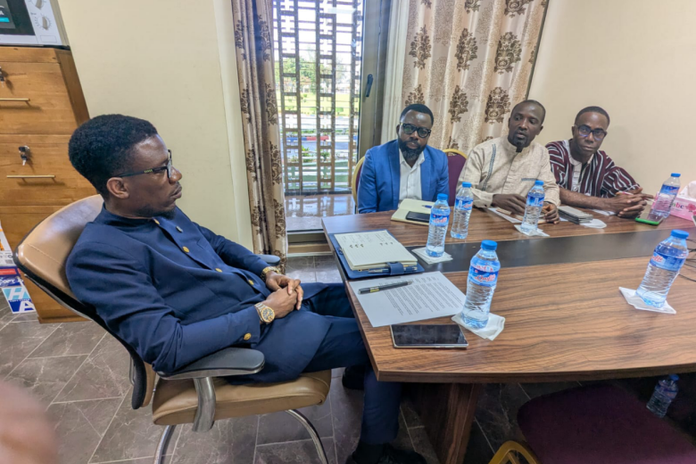
Speaking at the second session of the bi-annual George W. Wallace, Jr. Ambassadorial Lecture Series at the Gabriel L. Dennis Foreign Service Institute, Shoniyin said the country must judge the success of its December presidency by the outcomes it produces for international peace, Africa and the Liberian people. Liberia currently serves on the Security Council and is set to assume the rotating presidency in December, giving the country an unusually prominent place in global diplomacy at a critical moment.
“An honor is celebrated; a strategic opportunity is converted into national value,” Shoniyin told the gathering at the C. Cecil Dennis Memorial Auditorium of the Ministry of Foreign Affairs. He argued that Liberia’s emerging foreign-policy framework provides a practical roadmap for converting heightened diplomatic visibility into measurable results.
The framework, he said, rests on five connected pillars: strategic resilience and sovereignty protection; economic transformation and commercial diplomacy; citizen protection and diaspora engagement; regional peace, security and leadership; and technological competitiveness and human development. Liberia’s Council presidency, he maintained, should be deliberately used to advance each pillar.
Shoniyin said modern threats to Liberia extend beyond territorial borders and include instability in the Sahel, terrorism, cyberattacks, food insecurity, climate shocks, health emergencies, transnational crime and great-power competition. Liberia should therefore use its leadership of the Council to champion preventive diplomacy, mediation, early warning and stronger cooperation among the United Nations, African Union and ECOWAS.
The lecture series, established in honor of veteran Liberian diplomat Amb. George W. Wallace, Jr., also heard from Amb. Wallace at the event. Other high-level participants and speakers included Foreign Minister Sara Beysolow Nyanti; former Foreign Minister Olubanke King Akerele; House Foreign Affairs Committee Chairman Nehker E. Gaye; UNDP Resident Representative Aliou Mamadou Dia; War and Economic Crimes Court Executive Director Cllr. Jallah A. Barbu; and Amb. Soulay Daramy, Executive Director of Sierra Leone’s Foreign Service Academy.
The broader program examined Liberia’s Council role, women’s influence in international organizations, foreign-policy lawmaking, development, national healing and lessons from Sierra Leone’s recent Security Council experience. It formed part of a week of debates and lectures intended to strengthen research, critical thinking and public speaking among future Liberian diplomats.
Shoniyin said Liberia’s own transition—from a country once discussed by the Security Council during years of conflict to one helping shape decisions on peace elsewhere—gives it special moral authority. But he cautioned that international credibility must be supported by good governance at home.
He urged officials to look beyond successful chairing of meetings and ask what priorities Liberia advanced, which relationships it strengthened and what durable benefits remained. “Activity is not impact,” he said, insisting that a successful presidency must leave Liberia diplomatically stronger than before.
Support Independent Journalism
Your support helps FrontPage Africa continue delivering independent, credible, and impactful journalism. Every contribution strengthens our ability to investigate, inform, and hold power accountable while keeping quality journalism accessible to our readers.
Support our journalism or subscribe to receive the latest FrontPage Africa stories and updates.