BONG COUNTY – For farmers and motorcyclists in Bong County Electoral District One, the arrival of the rainy season has traditionally meant slower work, spoiled harvests, and treacherous roads.
By Selma Lomax, [email protected]
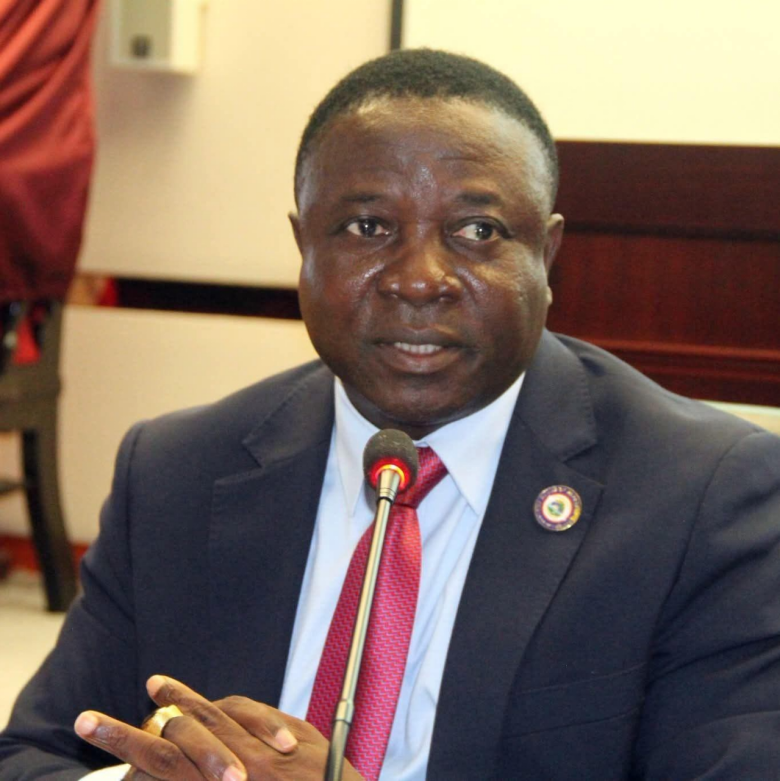
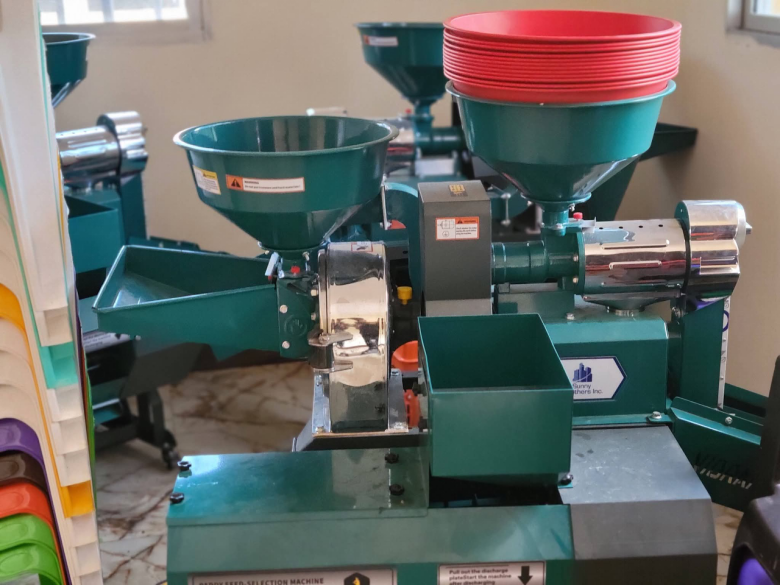
This year, however, twelve communities across the district have a reason to face the rains with renewed confidence, following a fresh round of empowerment items from Representative Prince K. Koinah, who distributed twelve rice milling machines, more than 500 pairs of rain boots, and 180 raincoats to cooperatives and transport workers.
The exercise, supervised on the ground by the lawmaker’s chief adviser, Mr. Eli Y. Gotogan, unfolded over the course of a week and reached towns including Deso Town, Guamue, Gbalokpah, Siva Town, Gbecon, Zeo, Nagbo Town, Dalina, U-lah, New Town, Camp Two, and Yolo Town, each receiving mills, boots, or both depending on local need.
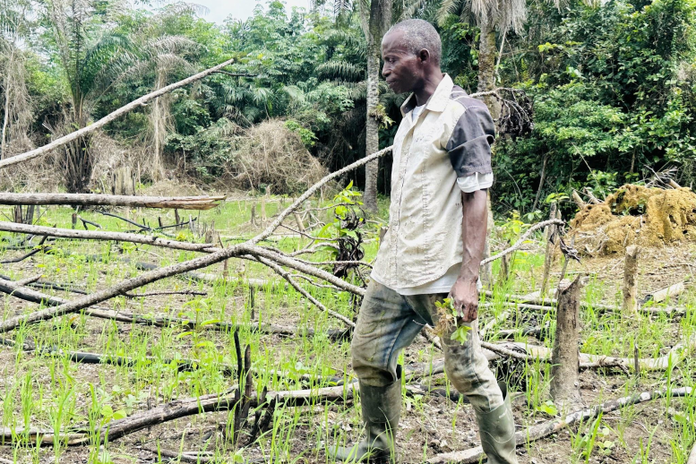
Asked about the thinking behind the gesture, Hon. Koinah pointed to the seasonal hardship that has long defined agricultural life in District One, where the arrival of heavy rains typically slows down rice processing and turns farm paths into hazardous, muddy stretches.
He noted that many of the district’s rice cooperatives still depend on rudimentary, manual milling methods that eat up valuable time and labor, cutting into the earnings farmers could otherwise take home, and said the newly distributed machines were selected specifically to relieve that pressure by allowing cooperatives to process far greater volumes of paddy rice in a fraction of the time.
He also linked the rain boots directly to farmer health and safety, explaining that without proper protective footwear, many rice farmers are routinely exposed to waterborne illness, cuts, and snake encounters while working knee-deep in flooded paddies, a risk he said no farmer should have to accept simply to feed their family or supply the local market.
Rep. Koinah extended similar reasoning to his decision to include commercial motorcyclists in the distribution, describing them as an essential but often overlooked link between rural farming communities and the markets, schools, and clinics they depend on.
He explained that when rains are heaviest, many riders either brave the elements without protection, risking sickness and reduced income, or park their bikes entirely, cutting off transportation for entire communities until conditions improve — a gap he said the raincoats were designed to close.
The lawmaker was also keen to frame the effort as part of an ongoing program rather than an isolated act of generosity, recalling that he first distributed twelve rice mills and rain boots to district cooperatives back in 2021, and noting that this latest round pushes his cumulative total to 24 rice mills and more than 1,000 pairs of rain boots handed out since the program began. In his view, the real measure of the initiative’s success will not be the items themselves, but the farming capacity and economic resilience they help build long after the distribution ends.
Cooperative members on the receiving end wasted no time voicing their appreciation, describing the timing of the gesture as nearly perfect given how far the rainy season had already progressed.
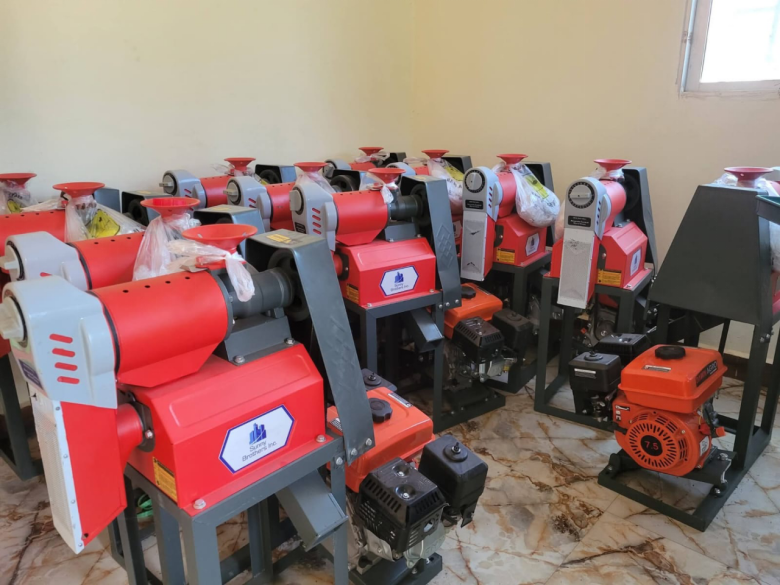
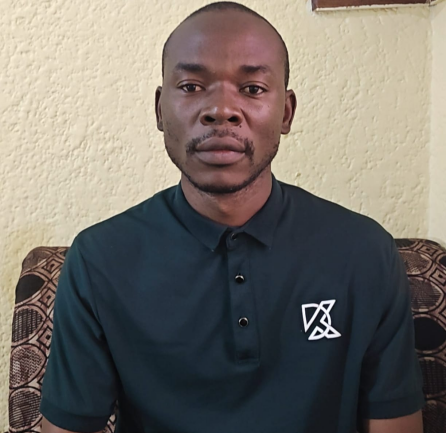
A representative of the rice growers in Guamue said the new mill would spare cooperative members the long, exhausting trips they previously made to neighboring towns just to have their paddy processed, freeing up time and money that could instead go toward expanding their farms. “Before now, some of our members were losing almost a full day just moving their rice to another town to be milled; now that work happens right here, and that changes everything for us,” the representative said, adding that the rain boots would allow farmers to work longer hours in the fields without fear of illness or injury.
For the motorcyclists who received raincoats, the gesture carried a different but equally personal significance, touching directly on their ability to earn a living safely during the wettest months of the year. A union representative explained that many riders had previously had to choose between risking their health on the road during downpours or losing a day’s income by staying home, a trade-off that hit hardest for those supporting large families.
“Every rainy season, some of us get sick from riding in the rain without protection, and when we can’t ride, our families don’t eat; these raincoats mean we can keep working without putting our health on the line,” the representative said. Both groups called on Rep. Koinah to sustain the momentum of the program in the years ahead, pledging in turn to make the most of the equipment to boost productivity and strengthen livelihoods across Bong County Electoral District One.
Support Independent Journalism
Your support helps FrontPage Africa continue delivering independent, credible, and impactful journalism. Every contribution strengthens our ability to investigate, inform, and hold power accountable while keeping quality journalism accessible to our readers.
Support our journalism or subscribe to receive the latest FrontPage Africa stories and updates.