MONROVIA — A pointed letter from Liberia’s top police official to Sen. Amara Konneh has escalated tensions between law enforcement and the legislature over who is really being protected — and who is being scapegoated — in the country’s record-setting cocaine investigation.
By Rodney D. Sieh, [email protected]
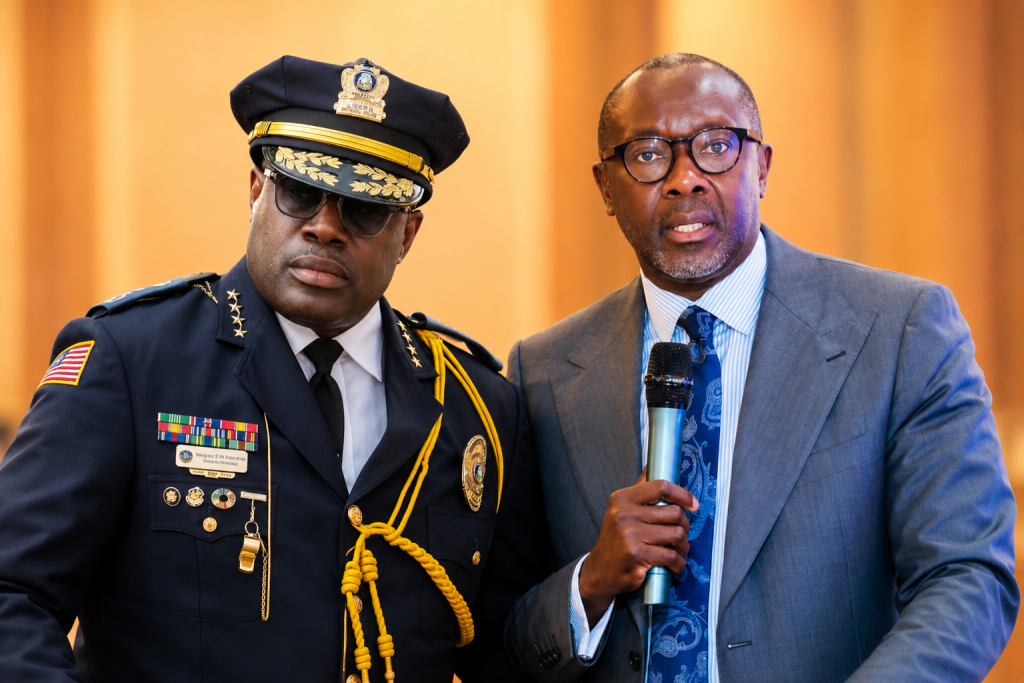
In a formal communication addressed to Konneh, Inspector General of Police Gregory O.W. Coleman, who also heads the Joint National Security Investigative Team, acknowledged the senator’s right to scrutinize public institutions but argued that right comes with what he called a heightened obligation to accuracy when the subject is an active narcotics investigation touching national security.
The letter responds directly to a public statement by Konneh titled “The Danger of Silence in the Cocaine Investigation.” According to Coleman’s account, Konneh’s statement suggested that senior officials were being shielded from accountability while junior officers were scapegoated, that Liberia’s security institutions had been compromised, that officials overseeing the probe might themselves be implicated, and that the government was protecting a cartel network.
Coleman characterized those claims as going well beyond ordinary political criticism, arguing they amount to assertions of criminal complicity and obstruction of justice — serious enough, he wrote, that the public could reasonably assume Konneh was speaking from privileged information rather than inference.
A formal demand for evidence
The letter’s central request is direct: produce it. Coleman formally asked Konneh to submit any evidence behind the allegations, including the names of officials he believes are being protected, the identities of what Konneh has called the operation’s “true architects,” and any supporting documents, recordings, financial records, or communications. He also asked for the identities of any confidential witnesses or sources, and evidence supporting the claim that government institutions are protecting a trafficking network.
Coleman noted that such material could be submitted confidentially, either to prosecutors directly or through a formally constituted Senate committee, and asked Konneh to preserve all relevant records rather than risk their integrity through disclosure.
A caution about public statements
Alongside the request, Coleman warned Konneh against further public statements that could prejudice the ongoing investigation, arguing that premature public accusations risk tipping off suspects, contaminating witnesses, endangering informants, and damaging the reputations of people who haven’t been charged.
Coleman was careful to frame the letter as consistent with, not opposed to, legislative oversight, writing that the investigative team welcomes credible information and lawful scrutiny — but argued that oversight has to support the investigation rather than undermine it.
He closed with an ultimatum of sorts: if Konneh has evidence of officials protecting a cartel, no rank or political connection will shield that person from investigation — but if the allegations aren’t backed by evidence, Coleman argued, a Senate office shouldn’t be used to present suspicion as established fact.
Why it matters
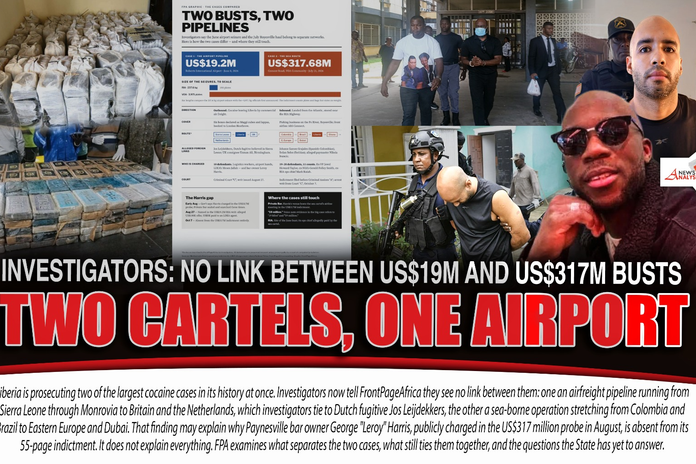
The letter lands amid a case already marked by institutional embarrassment: a deputy police commissioner was dismissed and admitted to taking a bribe to compromise the investigation, and President Boakai has fired a dozen officials tied to the case. Against that backdrop, Coleman’s letter can be read two ways — as a legitimate defense of due process against a public trial by accusation, or as an attempt to put the burden of proof on the case’s most vocal legislative critic rather than on the investigation itself. Konneh has not yet publicly responded.
Support Independent Journalism
Your support helps FrontPage Africa continue delivering independent, credible, and impactful journalism. Every contribution strengthens our ability to investigate, inform, and hold power accountable while keeping quality journalism accessible to our readers.
Support our journalism or subscribe to receive the latest FrontPage Africa stories and updates.