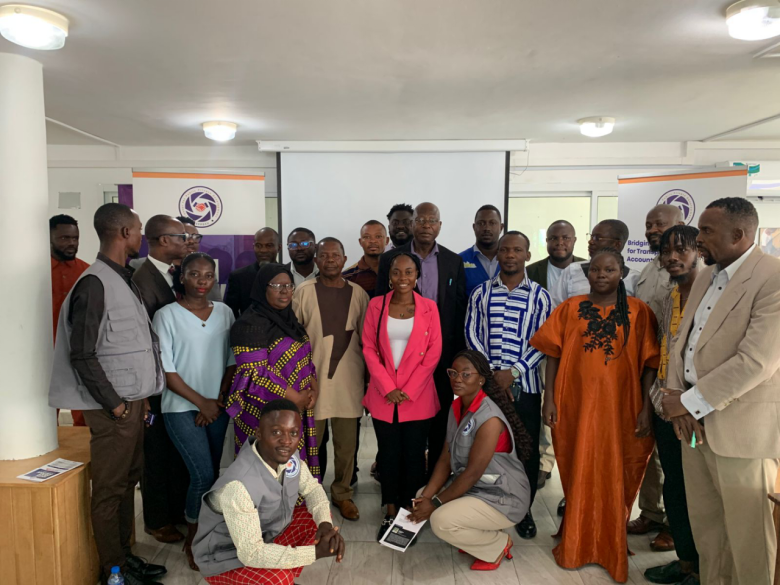
Monrovia — The Center for Public-Private Development (CEPPDVE), in partnership with national and international stakeholders, has convened a National Youth Policy Dialogue aimed at advancing inclusive land governance, land use, and public–private partnerships in Liberia.
Held at the European Union Delegation Hall under the theme “Youth at the Center of Land Governance, Land Use, and Public–Private Partnerships in Liberia,” the forum brought together policymakers, civil society actors, development partners, and youth leaders to promote transparency, inclusivity, and sustainability in land governance.
Delivering the keynote address, W. Lawrence Yealue II, Chairperson of the National Civil Society Council of Liberia, urged a shift from elite-driven discussions to broader public engagement. He stressed that land governance must move “beyond closed rooms,” ensuring communities—especially young people—play a central role in shaping decisions that affect their lives.
Panelists echoed calls for inclusivity across key sectors. Diarran J. T. Appleton of the National Commission on Disabilities emphasized the need to integrate persons with disabilities into land governance frameworks to guarantee equity. Meanwhile, Governance Commission Chairman Prof. Alaric K. Tokpa highlighted Liberia’s youthful demographic, calling for policies that prioritize youth access to land and ownership opportunities.
Thomas Duana of Social Empowerment Through Learning (SELL) Liberia underscored the importance of economically empowering young people to actively participate in land governance, while Success Leela Sulonkolo of the Multi-Actor Platform on Land Governance raised concerns about persistent barriers to women’s land rights. She called for more effective implementation of the 2018 Land Rights Act to ensure women can easily acquire and own land.
From a legal standpoint, Cllr. James T. Y. Fallah of the Liberia Land Authority stressed the importance of aligning policy with practice through coordinated efforts among stakeholders, including government institutions, the private sector, and civil society.
Addressing transparency, Armah, Acting Director for Compliance at the Independent Information Commission, highlighted the need for clearer communication between land sellers and buyers to reduce disputes and build trust.
CEPPDVE’s Team Lead, Abraham Varney, proposed that land-based investment agreements allocate at least 10 percent of revenue toward youth development initiatives, ensuring young people directly benefit from land resources.
The event also featured contributions from development partners. Asa D. Chon, Country Manager at ForumCiv, emphasized the value of multi-stakeholder collaboration in strengthening governance systems. A statement delivered on behalf of the Embassy of Ireland reaffirmed support for inclusive and accountable land governance, particularly for women and youth.
The dialogue included three panel sessions focusing on strengthening land governance and youth participation, promoting livelihoods and economic empowerment, and enhancing public–private partnerships in land-based investments.
Participants represented a wide range of institutions, including government agencies, civil society organizations, and youth groups, reflecting growing national momentum toward collaborative reform.
Organizers said the strong participation of young people signaled increasing urgency and ownership in shaping policies that impact land access, livelihoods, and economic opportunities.
CEPPDVE reaffirmed its commitment to amplifying youth voices and advancing reforms that promote transparency, accountability, and sustainable development in Liberia’s land sector.
Support Independent Journalism
Your support helps FrontPage Africa continue delivering independent, credible, and impactful journalism. Every contribution strengthens our ability to investigate, inform, and hold power accountable while keeping quality journalism accessible to our readers.
Support our journalism or subscribe to receive the latest FrontPage Africa stories and updates.