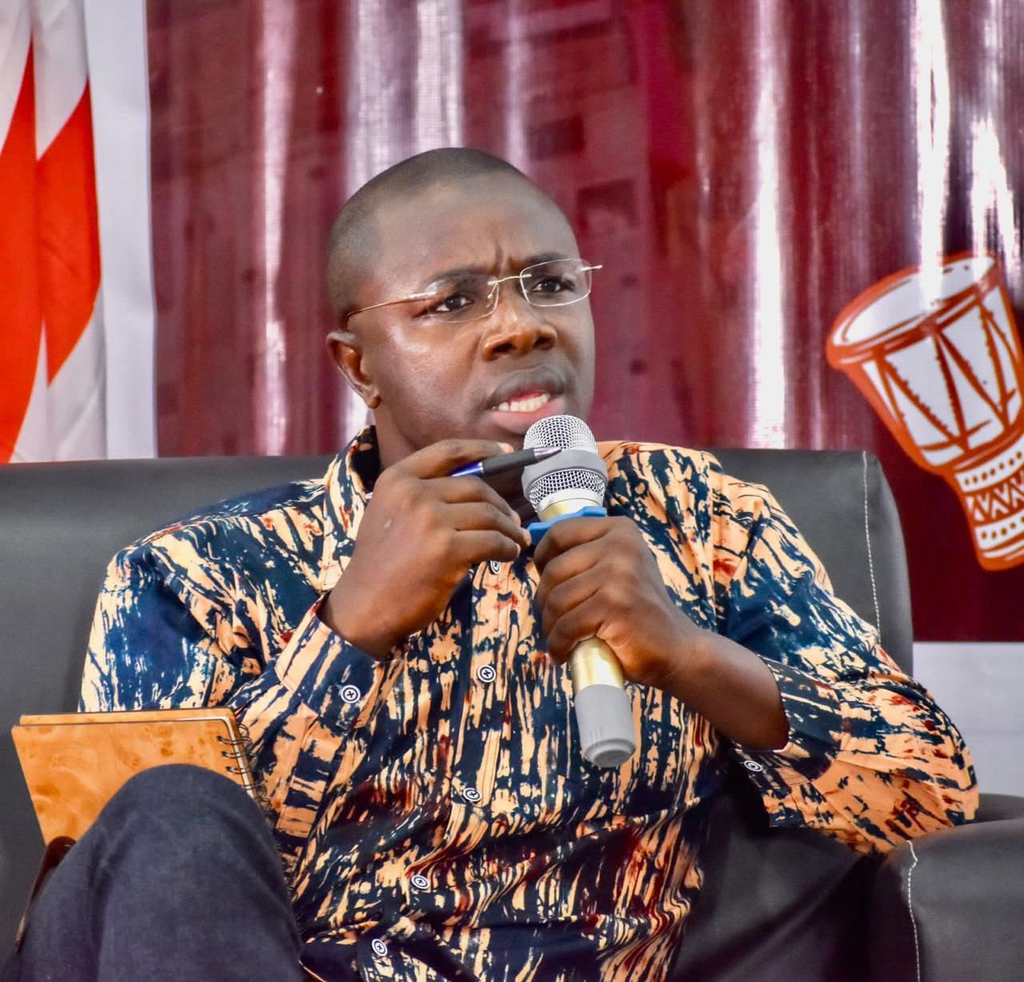
Monrovia — Former Monrovia City Mayor Jefferson Koijee has sharply criticized President Joseph Nyuma Boakai’s recent expression of confidence in Liberia’s security leadership, warning that history offers cautionary lessons when political leaders place heavy reliance on security forces amid growing national tensions.
By Gerald C. Koinyeneh
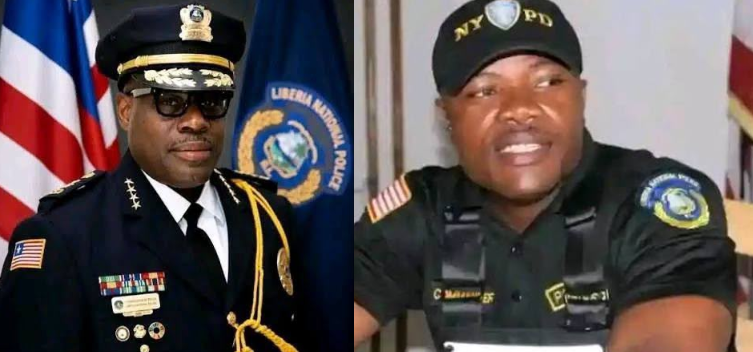
Koijee’s statement comes as President Boakai has publicly expressed confidence in Liberia’s security apparatus, including Police Inspector General Gregory Coleman, amid heightened public scrutiny surrounding the ongoing investigation into major cocaine seizures with a combined estimated street value of more than US$336 million.
In a strongly worded statement, Koijee invoked Liberia’s turbulent political history, referencing former presidents Charles G. Taylor and Samuel K. Doe and the specialized security units associated with their administrations.
“Mr. Boakai’s declaration of confidence in his security team should come with a warning from history,” Koijee said.
He cited Taylor’s confidence in the Anti-Terrorist Unit (ATU) and Doe’s reliance on the Special Anti-Terrorist Unit (SATU), arguing that excessive reliance on security structures can become a warning sign for political leadership.
Koijee alleged that when political leaders reach a point where loyalty from security forces becomes their primary source of reassurance, it can reflect growing fear and political vulnerability.
The former mayor accused the Boakai administration of intimidation and condemned what he characterized as abuses by state security personnel.
He said the opposition and the Liberian public do not need the confidence of security officials whom he accused of acting like “state-sanctioned militias.”
“What we have is far greater, the popular will of the people,” Koijee declared, describing that will as enduring and ultimately capable of determining the country’s political direction.
Koijee Challenges Security Leadership
Koijee’s remarks come against the backdrop of an increasingly contentious national debate over the handling of Liberia’s cocaine investigations.
The probe has generated intense political reactions, particularly following the seizure of a major cocaine consignment in the VOA community in Paynesville and a separate interception at Roberts International Airport.
The combined seizures have been valued at more than US$336 million by Liberian authorities.
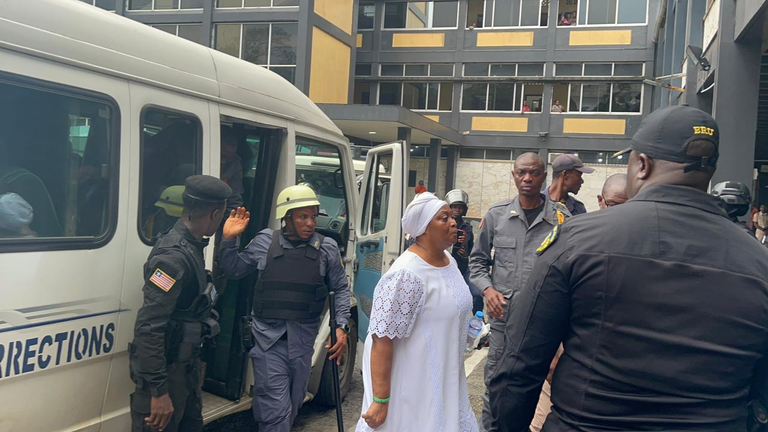
The investigation has also drawn scrutiny following the detention and subsequent charging of former Vice President Jewel Howard Taylor and other individuals in connection with the drug-trafficking investigation.
President Boakai has continued to defend the work of his security and law-enforcement institutions, while opposition figures and other critics have raised questions about the conduct, transparency and direction of the investigation.
Koijee, the Secretary-General of the opposition Congress for Democratic Change (CDC), portrayed the president’s confidence in his security team as an insufficient response to growing public concerns.
He described the president’s latest position as “a conspicuous and empty bluff,” arguing that political authority ultimately derives from the Liberian people rather than from the executive branch or security establishment.
“The People Endure”
Koijee warned security officials against becoming overly confident because of the authority temporarily entrusted to them by the state.
“Security officials intoxicated by temporary authority are transitory; the people endure,” he said.
He further argued that presidents, security commanders and political regimes do not permanently possess political power.
“Authority does not permanently belong to presidents, security commanders, or political regimes,” Koijee said, adding that the Liberian people remain the “true custodians and givers” of political authority.
Analysts say Koijee’s statement is likely to further intensify the political debate surrounding the government’s handling of the cocaine investigation, which has increasingly become a test of public confidence in Liberia’s security institutions and the administration’s commitment to accountability and due process.
Koijee concluded with a warning that political power that loses sight of its constitutional source—the people—will eventually be reminded of that reality by history.
Support Independent Journalism
Your support helps FrontPage Africa continue delivering independent, credible, and impactful journalism. Every contribution strengthens our ability to investigate, inform, and hold power accountable while keeping quality journalism accessible to our readers.
Support our journalism or subscribe to receive the latest FrontPage Africa stories and updates.