Monrovia – The Liberian government, with support from the World Bank and in collaboration with key development partners, on Wednesday commemorated World Menstrual Hygiene Day with a strong call to end stigma and stereotypes associated with menstruation, both in Liberia and globally.
The celebration began with a lively parade from Catholic Junction to the historic Invincible Park, drawing participation from young female students, government officials, and representatives from development organizations. The event underscored a collective commitment to empowering women and girls by improving access to menstrual health resources, education, and policy advocacy.
This year’s theme, “Together for a Period Friendly World,” emphasized global solidarity in the fight for menstrual health equity.
Amplifying Silenced Voices
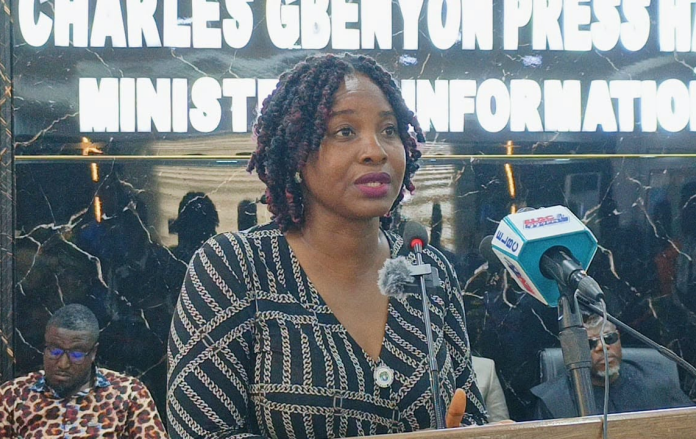
Speaking on behalf of ActionAid Liberia’s Country Director, Madam Elizabeth Gbah Johnson, Madam Victoria Koiquah noted that the day was designated to amplify the voices of women and girls often silenced by stigma, poverty, and systemic neglect—especially around menstrual hygiene.
“ActionAid is working to strengthen the capacity and agency of people living in poverty and exclusion, especially women, to assert their rights to menstrual health,” Madam Koiquah said.
She further explained that ActionAid collaborates with community organizations, women’s groups, social movements, and other partners to tackle the root causes of poverty and menstrual injustice.
“In Liberia, the challenge is urgent and real. Research shows that over 60% of schoolgirls in rural areas lack access to basic menstrual hygiene materials, causing them to miss school regularly,” she said.
UNICEF data also shows that 1 in 10 African girls miss school during their periods, with some dropping out entirely. In Liberia, the lack of clean and safe sanitary facilities, particularly in public schools and marketplaces, continues to restrict the dignity, mobility, and educational opportunities of girls.
“Access to menstrual products is a basic human right, yet for many girls in Liberia, it remains a luxury. High import tariffs on these products make them unaffordable to most low-income families,” Koiquah added.
“Menstrual health is not just a health issue—it’s a matter of gender justice, education, and economic development.”
A Human Rights Concern
Madam Gloria Yancy, Programme Specialist for Gender-Based Violence and Harmful Practices at UNFPA, emphasized that menstrual health must be treated as a human rights issue.
“Everyone has a right to bodily autonomy,” she said. “The ability to care for one’s body while menstruating is an essential part of that freedom. Yet, hundreds of millions of people worldwide still lack access to menstrual products and adequate facilities.”
She highlighted how poor menstrual hygiene exacerbates gender inequality and social exclusion. “Insufficient resources, combined with stigma and exclusion, undermine human dignity. These challenges are worsened by poverty, humanitarian crises, and harmful traditions.”
Yancy stressed the importance of a comprehensive approach to menstrual health, including access to safe, affordable, and reliable menstrual supplies, privacy and sanitation facilities and education and information to make informed choices.
Men Must Join the Conversation
Madam Pauline Wleh, School Health Coordinator at the Ministry of Health, made a passionate plea for male involvement in menstrual health advocacy.
“You boys who shame girls in school need to stop. In rural areas, girls are dropping out of school because of menstruation,” she said. “Men and boys must support menstrual hygiene awareness.”
Pride in Menstruation
Madam Alberta Thomas, Project Manager for She Leads Liberia under Plan International, called for openness and pride in discussing menstruation.
“When we all come together, we will have a period-friendly world,” she said.
“Menstruation is our pride—we are proud to bleed. Girls should be educated about menstruation and be free to talk about it anytime.”
The event concluded with renewed commitments from all partners to continue raising awareness and ensuring that every girl and woman in Liberia can manage menstruation with dignity, safety, and pride.
Support Independent Journalism
Your support helps FrontPage Africa continue delivering independent, credible, and impactful journalism. Every contribution strengthens our ability to investigate, inform, and hold power accountable while keeping quality journalism accessible to our readers.
Support our journalism or subscribe to receive the latest FrontPage Africa stories and updates.