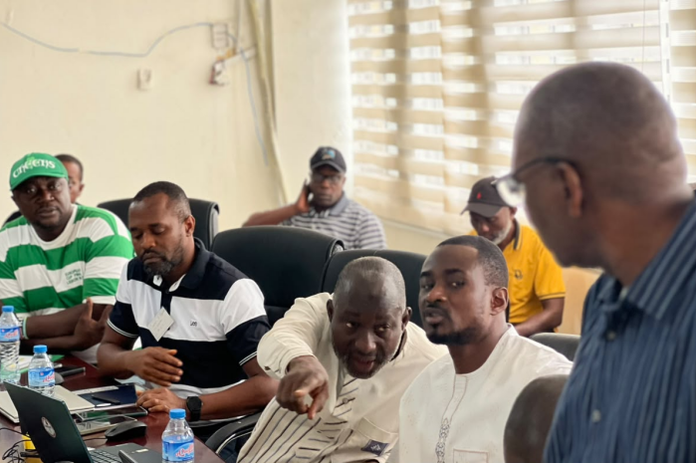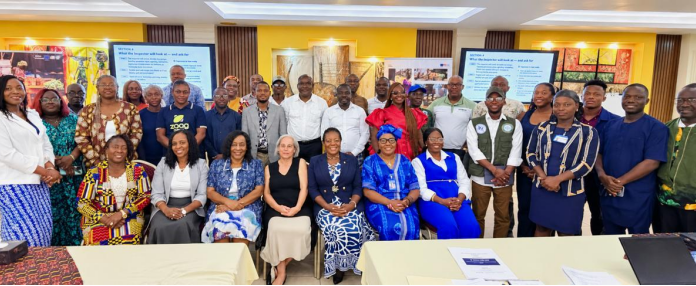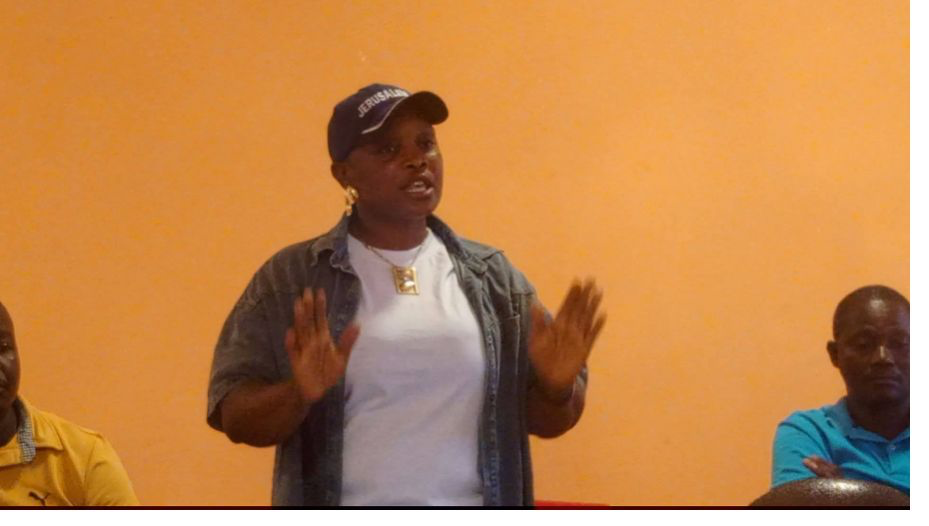
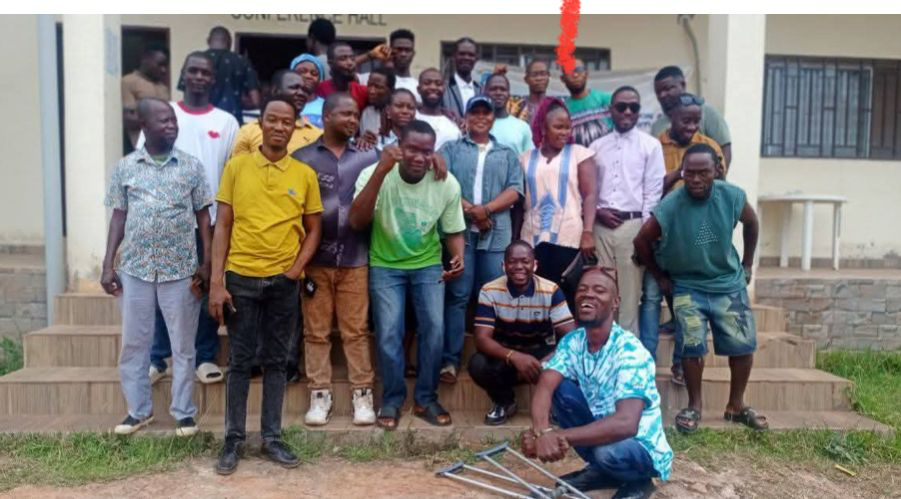
GBARNGA– The Deputy Minister for Administration at the Ministry of Health, Madam Martha C. T. Morris, is facing criticism from residents of Bong County after she reportedly used the conference hall of the C. B. Dunbar Comprehensive Hospital to host a meeting with aggrieved Unity Party partisans.
Madam Morris, who also serves as Chairperson of the Unity Party in Bong County, convened the meeting on Sunday in Gbarnga in an effort to address growing dissatisfaction among party loyalists following the recent elections.
According to sources, the meeting was intended to calm tensions and reassure supporters who claim they have felt neglected since the party assumed state power in 2023.
Several grassroots partisans recently expressed frustration on local radio stations, accusing some appointed officials from Bong County of distancing themselves from the communities that supported their political rise.
They alleged that promises of employment opportunities, scholarships, empowerment initiatives, and other forms of assistance have not been fulfilled.
During the meeting, Madam Morris reportedly called for calm and unity within the party. She assured the disgruntled partisans that their concerns were being taken seriously and emphasized that the party remains committed to inclusiveness. She further pledged to improve communication between appointed officials and grassroots supporters to avoid further misunderstandings.
However, news that the meeting was held within the premises of a government hospital has sparked widespread condemnation among residents, many of whom argue that public health facilities should remain neutral and free from partisan activities.
“This hospital is meant to serve the sick and vulnerable, not to host political discussions,” said James Kollie, a businessman in Gbarnga. “When our leaders begin to mix politics with healthcare institutions, it undermines public trust.”
A nurse at the hospital, who spoke on condition of anonymity, also criticized the decision. “We are already dealing with shortages of medical supplies and heavy patient traffic,” she said. “Using the hospital’s conference hall for party matters sends the wrong signal about our priorities.”
Madam Esther Yarkpawolo, a market woman in Gbarnga, described the move as inappropriate. “The hospital should be a neutral ground. Politics should be done at party headquarters, not in places meant to save lives,” she said.
Peter Z. Karmo, a commercial motorcyclist from Jorquelleh District, echoed similar sentiments. “Patients sometimes wait for hours to receive treatment,” he said. “Seeing politicians hold meetings in the same building makes people feel that politics is being placed above healthcare.”
A student of Bong County Technical College, Moses G. Flomo, expressed disappointment in the Ministry’s leadership. “The Ministry of Health should set the highest standard of professionalism,” he said. “When a senior official uses a public hospital for political engagement, it blurs the line between government responsibility and party activity.”
Madam Rebecca Tamba, a community health volunteer, warned of the precedent such actions could set. “If we allow this today, tomorrow every political group will want to use public facilities for meetings,” she said. “That is not healthy for our democracy.”
An elderly community leader, Chief Samuel K. Baryou of Suakoko District, also condemned the development. “We supported this government because we wanted better services,” he said. “Public institutions must be protected. Hospitals are sacred places meant for healing, not political negotiation.”
When contacted by FrontPage Africa for comment, the administration of C. B. Dunbar Comprehensive Hospital declined to comment on the matter.
Support Independent Journalism
Your support helps FrontPage Africa continue delivering independent, credible, and impactful journalism. Every contribution strengthens our ability to investigate, inform, and hold power accountable while keeping quality journalism accessible to our readers.
Support our journalism or subscribe to receive the latest FrontPage Africa stories and updates.