
The Gambia – Liberia’s National U-15 School Boys team has been handed a harsh dose of reality at the WAFU African Schools U-15 Championship Qualifiers, suffering two crushing defeats that have deepened concerns about the state of the country’s youth football programs.
By: Christopher C. Walker, [email protected])
The young Liberian side’s 7–0 defeat to Senegal and an 11–0 loss to Guinea have quickly shifted the conversation from tournament hopes to long-term structural problems.
The young squad, participating in their first regional assignment of the year, struggled against well-organized and technically superior opponents. The losses, coming in quick succession, now cast serious doubt on Liberia’s competitiveness at the youth level.
High Stakes Tournament, Low Start for Liberia
The qualifiers, hosted in The Gambia, bring together the best U-15 school teams from across West Africa. The tournament rules state that the top two teams from each group qualify for the semifinals, with the two finalists representing the West African region at the global CAF African School Football Championship.
With such heavy losses in their opening matches, Liberia faces an uphill climb, and an early exit now appears inevitable.
A Pattern of Poor Youth Results
It can be recalled that Liberia’s U-17 national team performed poorly in October at the WAFU Tournament in Mali, where they lost all three of their matches. That team struggled to compete physically and tactically, prompting calls for a deeper re-evaluation of Liberia’s youth system.
Now, with the U-15 team beginning their campaign with back-to-back defeats in The Gambia, a clear pattern is emerging: Liberia’s youth national teams are consistently underperforming in recent regional competitions.
Football analysts insist these results are not isolated incidents but rather symptoms of a wider structural problem—one that spans scouting, coaching, preparation, and youth football governance.
Growing Concerns Over Scouting, Preparation, and Development
The scale of the defeats has triggered broader discussions on Liberia’s developmental blueprint. According to critics, the underlying issues include:
Weak scouting mechanisms: These often fail to select the best talents nationwide.
Inconsistent youth training programs: Leaving players technically unprepared for international competition.
Minimal investment in grassroots football: Especially in school sports.
Poor tournament preparation: Teams are often assembled late and lack adequate warm-up matches.
Arrival and Tournament Preparations
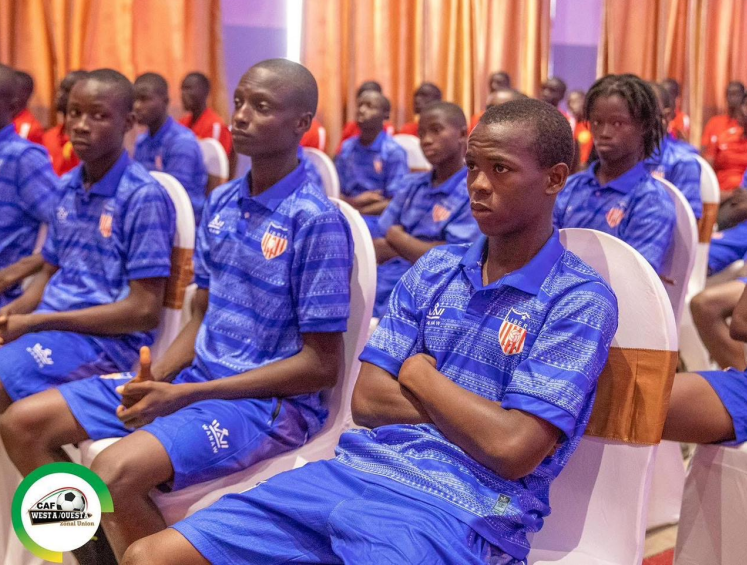
Despite the poor performance, the Liberia U-15 team arrived safely in The Gambia for the 4th Edition of the CAF African School Football Championship – WAFU A Qualifiers. Upon arrival, they attended the mandatory team arrival meeting organized by CAF, which oriented teams ahead of the tournament that officially kicked off on November 27.
The competition provides a major platform for emerging talents, but Liberia’s early results suggest the team may not be ready to fully capitalize on it.
What Liberia Must Learn
The defeats offer painful but important lessons. Stakeholders insist that Liberia needs to overhaul:Its national school football program.
Coaching and training standards at the youth level.
The transparency and professionalism of its scouting processes.
Preparation strategies, including early camps and friendly matches.
Without serious reforms, many warn that Liberia risks falling even further behind regional competitors who consistently invest in youth development.
Looking Ahead
Liberia still has remaining fixtures in The Gambia, which may provide opportunities to rebuild confidence and extract positives. But the bigger picture remains concerning. With both the U-17 and U-15 teams struggling on the international stage in the same year, there is growing pressure on football authorities to confront the systemic issues undermining youth progress.
For now, the U-15 boys will aim to finish the tournament with improved performances, but the message is clear: Liberia’s youth football needs urgent attention, strategic investment, and sweeping reform if the nation hopes to compete regionally once again.
Support Independent Journalism
Your support helps FrontPage Africa continue delivering independent, credible, and impactful journalism. Every contribution strengthens our ability to investigate, inform, and hold power accountable while keeping quality journalism accessible to our readers.
Support our journalism or subscribe to receive the latest FrontPage Africa stories and updates.