The late Prelate Dr. Myles Munroe succinctly articulated a vital truth: “The best way to predict the future is to invent it. You can invent the future with a plan. When you make a plan, God always exceeds your plan.”
By: Austin S Fallah, [email protected], contributing writer
This profound insight calls upon nations to take charge of their destinies rather than passively awaiting external circumstances or happenings.
The call to action is dire for Liberia, a country rich in human and resource potential yet scarred by years of political and economic greed.
As the world moves further into the 21st century, the government of Liberia must craft and implement comprehensive, forward-thinking policies that can strategically position the nation for success.
Historical Context: The Struggle for Stability:
Liberia’s foundation is laden with stories of resilience and tales of hardship.
A place that existed but was given the name Liberia in 1822 by some Africans who were taken from their motherland and later returned to Providence Island in Liberia from Shebro Island in Sierra Leone.
The nation of Liberia has experienced tumultuous periods marked by civil wars, socio-political instability, and economic disparities.
These events have left the nation grappling with the essential elements for sustainable development.
Therefore, concrete policies are urgently needed to address today’s pressing issues while laying a solid foundation for tomorrow.
History has proven that nations with a clear vision—backed by solid plans—tend to flourish while those that lack such foresight often languish.
East Asian countries, particularly South Korea and Singapore, are excellent models of how strategic planning can lift nations out of poverty and chaos.
These nations invested heavily in education, infrastructure, and technology while fostering a culture of innovation among their young people.
Liberia must take cues from such success stories to forge a distinct path into the future.
The Technological Landscape: An Essential Infrastructure:
As the world deepens into the 21st century, it is almost a given that a robust technological framework will be paramount.
The digital revolution has transformed industries and redefined how economies operate.
The importance of leveraging technology for national development can not be overstated, especially for a nation like Liberia, where connectivity and accessibility remain significant hurdles.
Strategically integrating technology into various sectors, including education, health care, and better governance, can drive efficiency, transparency, and inclusivity.
For example, enhancing internet access nationwide would allow students in rural areas to access a wealth of knowledge, thus narrowing the educational divide that has persisted for decades.
Furthermore, transparent governmental platforms can be established to curb corruption, allowing citizens to engage actively with their leaders and hold them accountable.
However, technology must be coupled with widespread digital literacy programs to become a tool of liberation.
Empowering the young population with skills for the digital age should be a top priority, allowing them to become innovators rather than just consumers of technology.
This alignment of education with technology will prove essential in creating a generation that is employable and equipped to lead Liberia into a prosperous future.
Education: Building Human Capital:
Education is at the heart of any successful nation-building effort.
Liberia’s education system has struggled under decades of neglect and turmoil.
A strong educational framework and guidelines prioritizing access, relevance, and quality must be established.
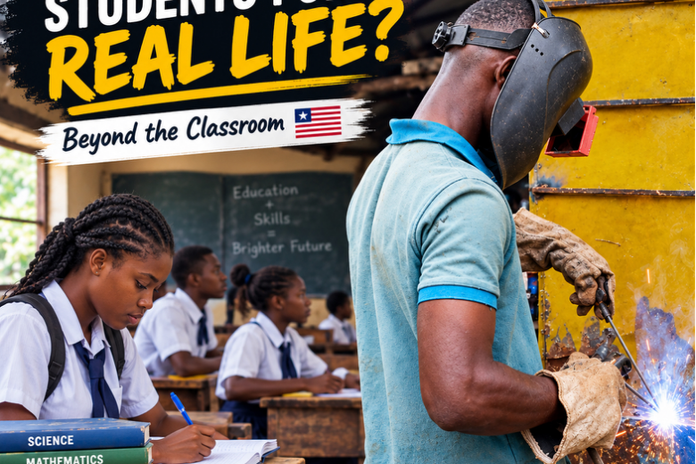
Investment in education should not only focus on primary and secondary levels but must extend to vocational training and higher education, fostering a versatile workforce adept at meeting the demands of an evolving economy.
Creating policies that focus on improving teacher training, curriculum relevance, and infrastructure is crucial.
Innovative educational programs that emphasize critical thinking and entrepreneurship need to be formulated.
Furthermore, partnerships with international educational institutions could provide technical support and enhance instruction quality, helping position Liberia positively globally.
Youth Development: The Future Leaders:
Liberia’s demographic is significantly youthful, with a substantial percentage of the population under 25. This presents both challenges and opportunities. Youth development policies must focus on engaging young people in meaningful ways.
Programs that encourage civic participation, entrepreneurship, and social responsibility are needed.
Investing in young people will mitigate issues of unemployment and disenchantment and foster a generation of leaders with a vision for a better Liberia.
Youth empowerment initiatives could take many forms, from leadership training programs to establishing youth councils that advise the government on policies affecting their lives.
Such initiatives may rekindle a sense of national pride and responsibility, dispelling the notion of hooliganism that has marred the country’s image.
Infrastructure Development: A Backbone of Progress:
Robust infrastructure is fundamental to economic growth. Liberia cannot afford to lag in this critical area; the consequences of inadequate infrastructure manifest in many forms: hampered trade, limited access to essential services, and reduced quality of life.
Roads that connect rural areas to urban centers, a reliable electricity supply, and improved sanitation systems are necessary for any functional society. Planning for these developments must be prioritized.
Investment in infrastructure must be transparent and sustainable. The government should seek out public-private partnerships where feasible, leveraging the private sector’s expertise and resources to alleviate the financial burden on the state while improving service delivery.
Furthermore, infrastructure projects should be environmentally conscious, ensuring that Liberia’s natural resources are preserved for future generations.
Clean Water and Sanitation: A Public Health Imperative:
Clean water and sanitation are non-negotiables for a healthy society. As Liberia grapples with issues rooted in inadequate access to these basic needs, bolstering water and sanitation policies must be a top priority.
Establishing a national clean water access and sanitation plan can have far-reaching health, education, and economic productivity implications.
These multifaceted policies should employ community-driven initiatives and state-supported projects to expand access.
By collaborating with international organizations and NGOs, Liberia can tap into resources and expertise that can significantly advance its public health agenda.
Moving Forward: A Call for Unity and Vision:
As Liberia stands at a crossroads, visionary leaders must rise. The nation can no longer afford to dwell in a cycle of blame and criticism directed at successive governments.
Instead, a collective vision must transcend the political arena, uniting citizens and leaders in a quest for progress.
To this end, a national dialogue may be essential, a platform where diverse voices can converge to share ideas, critique policies, and cultivate solutions grounded in the realities of Liberians. By embracing this participatory approach, the nation can create a shared ownership of its development journey, thus solidifying a commitment to advancing Liberia.
The Path Ahead:
As Liberia continues to navigate the complexities of the 21st century, the importance of strategic planning cannot be overstated.
Embracing the lessons from history, investing in technological, educational, and infrastructural advancements, and focusing on youth development will create a blueprint for a resilient nation.
Liberia cannot afford to be left behind in this transitional phase, as the actions taken now will lay the groundwork for the second half of the century.
Ultimately, Liberians must champion a future not defined by past grievances but by collective action, innovative thinking, and a relentless commitment to improvement.
Only then can the nation hope to earn its rightful place globally as a beacon of progress and unity. The future is ours to invent; let us begin this transformative journey today.
Source: https://www.tiktok.com/t/ZT6EyKs8E
Support Independent Journalism
Your support helps FrontPage Africa continue delivering independent, credible, and impactful journalism. Every contribution strengthens our ability to investigate, inform, and hold power accountable while keeping quality journalism accessible to our readers.
Support our journalism or subscribe to receive the latest FrontPage Africa stories and updates.