Monrovia: Women and male influencers came from counties where roads dissolve in the rainy season and where a female student was once told she could not run for school council president, simply because she was a woman.
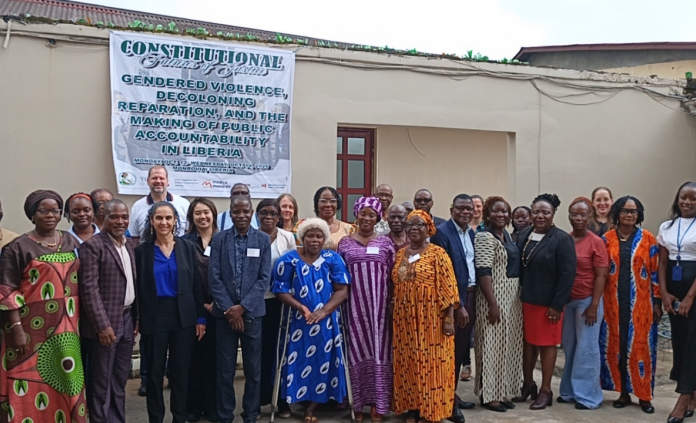
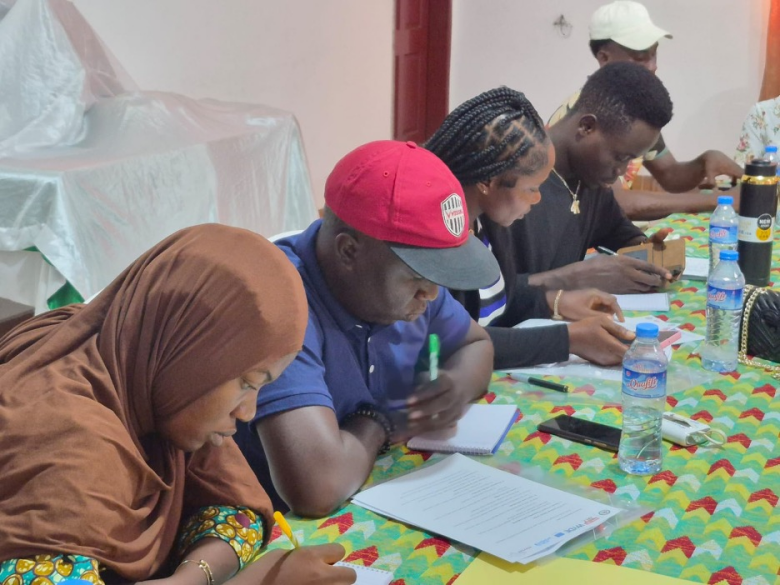
The two days gathering, convened in a conference room at the Lutheran Compound and organized jointly by the Organization for Women and Children (ORWOCH) and the African Women Leaders Network (AWLN) Liberia Chapter, carried the formal title of an “outcome harvest,” to bring back the people who had lived a year-long political participation program and ask, plainly, whether any of it had mattered.
The Advancing Women’s Political Participation project ran from March 2025 through April 2026, funded by UN Women and the European Union. It targeted four counties — Montserrado, Maryland, Grand Kru, and Sinoe — a geographic spread chosen deliberately to bridge the capital’s urban density and the rural southeast, where organizers said resistance to women in leadership runs deepest.
When you do a survey, you understand most women shy away from taking political spaces. We have this preconceived notion — especially from our traditional people — that men are the ones who should be at the top, leading.
Denise B. Dennis, Program Assistant & Youth Caucus Chair, AWLN
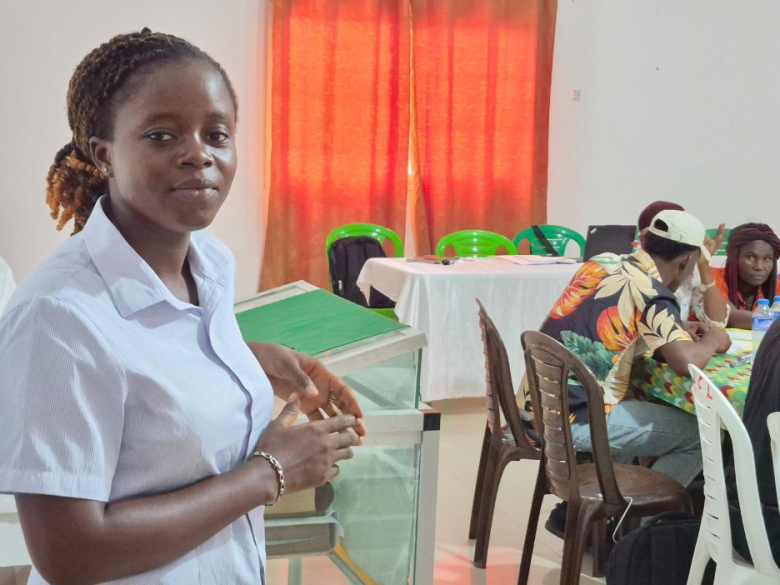
Denise B. Dennis, a program assistant on the project and youth caucus chair for AWLN, spoke with the measured authority of someone who had spent months in youth centers across all four counties. Her assessment of the cultural architecture was unsparing. The project, she explained, was not trying to win an election. It was trying to dismantle the conditions that make winning one feel impossible for women.
Similarly, Willietta P. Arthur, who managed the project for ORWOCH, described the baseline research that preceded the interventions. Consultants conducted focus groups in the southeastern counties and returned with findings that were clarifying, if not surprising: men in those regions held sharply skeptical views of women in leadership — views that had hardened over generations into something resembling social law. “The masculinity report dived into what their mindsets have been, what the stereotypes have been,” Arthur said.
The project’s response was deliberate. Male influencers from each county were brought into structured learning sessions, confronted with those findings openly, and then sent back home — not as converts performing tolerance, but as community actors asked to genuinely reckon with what they had been taught. In Grand Kru County, organizers said, one of those men influencers were moved enough to publish a piece about the experience. Organizers said they are careful not to oversell a single article. But it is precisely the kind of outcome their theory of change required: a man, in a rural county, using his platform to say that what he had believed about women and power was wrong.
Sometimes you won’t even be welcomed. You must build relationships first, enter through trusted local contacts, and create a safe space before the real conversation can begin.
Willietta P. Arthur, Program Manager, ORWOCH
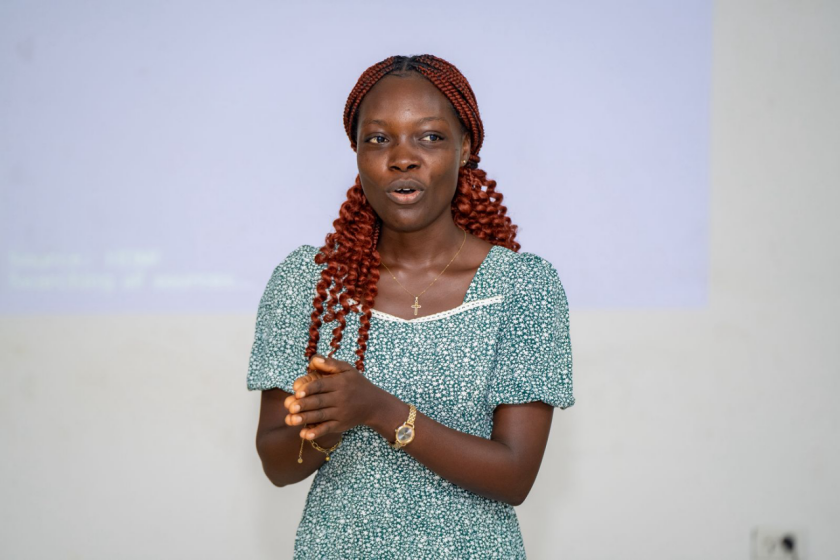
The program’s tools were deliberately varied: workshops, community town halls, mentorship sessions, and radio talk shows — a medium that reaches far beyond the conference room in Liberia’s interior counties. Yet it is Dennis who offers the project’s most candid self-appraisal. Awareness campaigns, she noted with precision, often evaporate when the facilitators leave. The outcome harvest was, in that sense, also an act of accountability.
“We know this: most of the time we just have awareness, we have workshops, we leave the people, we go,” she said. “And then we don’t come back to check up on them.” The project came back.
The program also convened an inter-generational dialogue at the Ellen Johnson Sirleaf Ministerial Complex in Monrovia — notable enough that Sirleaf herself, Africa’s first elected female head of state and patron of the AWLN global network, attended. Her presence was a reminder of both how far Liberia has come and how singular that milestone remains across the continent.
With Liberia’s next presidential election set for 2029, the question of whether this work translates into electoral outcomes is, for now, unanswerable. Dennis did not pretend otherwise.
“To say that I will bridge that gap — it may contribute,” she said. “Changing people’s mindset takes time. But we believe that over time, with continuous effort, we can achieve that goal.”
That is not a triumphant conclusion. It may be a truer one — the kind that treats transformation as a sustained undertaking rather than a deliverable, and that measures progress less in votes won than in the slow, structural work of making it imaginable for a girl in Sinoe County to step forward into public life and find someone ready to cheer her on.
The harvest has been documented. The report is being written. Whether the seeds take is a question for another election cycle — and another generation of women deciding whether to step forward.
Support Independent Journalism
Your support helps FrontPage Africa continue delivering independent, credible, and impactful journalism. Every contribution strengthens our ability to investigate, inform, and hold power accountable while keeping quality journalism accessible to our readers.
Support our journalism or subscribe to receive the latest FrontPage Africa stories and updates.