AfDB Consultant Calls for Credit Guarantees, Technical Support and Market Access to Close $1.03 Billion Annual Financing Gap
By Charles G. Lamadine, contributing writer
MONROVIA — Dr. James Francis Davis, a senior international consultant for the African Development Bank (AfDB), has called for comprehensive financing reforms to help micro, small and medium-sized enterprises (MSMEs) overcome barriers to growth, create jobs and compete in regional markets.
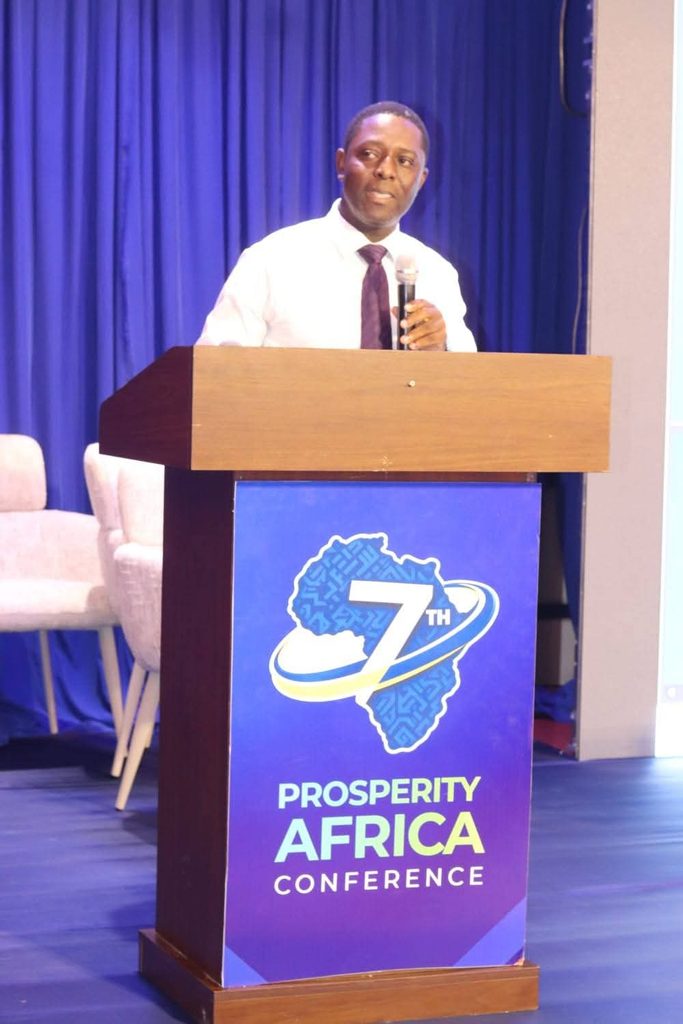
Speaking at the 7th Prosperity Africa Conference in Monrovia, Dr. Davis delivered a lecture on “MSME Financing: The Financial Gap,” highlighting the challenges confronting small businesses in Liberia and across Africa.
The conference brought together policymakers, chambers of commerce, development partners and private-sector representatives to explore ways to translate trade and investment opportunities into sustainable economic growth and employment.
Dr. Davis emphasized that although MSMEs play a critical role in employment and economic development, many continue to struggle with limited access to affordable financing, high collateral requirements and short loan repayment periods.
He highlighted an estimated annual financing gap of US$1.03 billion for MSMEs in Liberia and a broader financing shortfall of more than US$209 billion for small businesses across Africa.
Beyond access to capital, Dr. Davis argued that sustainable business growth requires a comprehensive support system that combines financing with credit guarantees, technical assistance, mentorship and access to markets.
He stressed that financing alone is insufficient to help businesses expand, underscoring the need for policies and institutional arrangements that enable entrepreneurs to develop viable businesses and compete effectively.
Linking Local Businesses to Regional Markets
Dr. Davis also highlighted the potential of the African Continental Free Trade Area (AfCFTA) to expand opportunities for Liberian businesses through regional trade and value chains.
He called for stronger economic cooperation among African countries, allowing businesses in different markets to specialize in supplying raw materials, processing products, providing logistics and delivering financial services.
For Liberia, he identified agriculture, light manufacturing, logistics, technology and tourism as sectors with significant potential to support enterprise development, attract investment and generate employment.
He stressed that improving MSME financing must go hand in hand with efforts to connect local businesses to regional supply chains and emerging commercial opportunities.
Youth Entrepreneurship Financing
Dr. Davis also linked the discussion to Liberia’s Youth Entrepreneurship Investment Bank Management Company (YEIB-MANCO), an initiative funded by the AfDB and the Government of Liberia that targets 30,000 youth-led businesses.
He highlighted the importance of the initiative’s approach of combining training, incubation and financing to prepare young entrepreneurs for sustainable business operations.
According to the presentation, equipping entrepreneurs with the necessary skills and business support before providing financing can help address weaknesses that undermine the success of grant-funded and other small-business support programs.
Dr. Davis further emphasized the importance of infrastructure investment, arguing that roads should be viewed not merely as transportation projects but as economic corridors capable of connecting producers to markets, reducing business costs and stimulating investment.
He called for stronger coordination among government institutions, chambers of commerce and development partners to ensure that investment commitments translate into tangible economic opportunities and jobs.
Call for Stronger Banking Partnerships
Dr. Davis commended the Liberia Chamber of Commerce for advocating greater opportunities for local businesses, while urging commercial banks to work with credit guarantee funds to make financing more accessible to MSMEs.
He identified high interest rates, demanding collateral requirements and short repayment periods as major constraints facing Liberian entrepreneurs.
Partnerships between commercial banks and guarantee institutions, he suggested, could help reduce lending risks and improve access to credit for businesses that lack sufficient collateral but demonstrate viable growth prospects.
His presentation, described as interactive and practical, aligned with the conference theme, “MSME Financing at the Africa Prosperity Conference for Sustainable Development: Policy Reforms, Innovation, and Opportunities.”
The discussions underscored the importance of addressing financing barriers as part of broader efforts to promote inclusive growth, strengthen private-sector development and expand opportunities for young entrepreneurs.
For Liberia, closing the MSME financing gap will require more than increased lending. It will also depend on coordinated policy reforms, stronger financial institutions, business development support and improved access to domestic and regional markets.
Support Independent Journalism
Your support helps FrontPage Africa continue delivering independent, credible, and impactful journalism. Every contribution strengthens our ability to investigate, inform, and hold power accountable while keeping quality journalism accessible to our readers.
Support our journalism or subscribe to receive the latest FrontPage Africa stories and updates.