As Liberia’s House of Representatives reviews what public officials earn, lawmakers must not turn a national reckoning into a turf war with the presidency. The people who deserve their attention are the millions of Liberians who have the least.
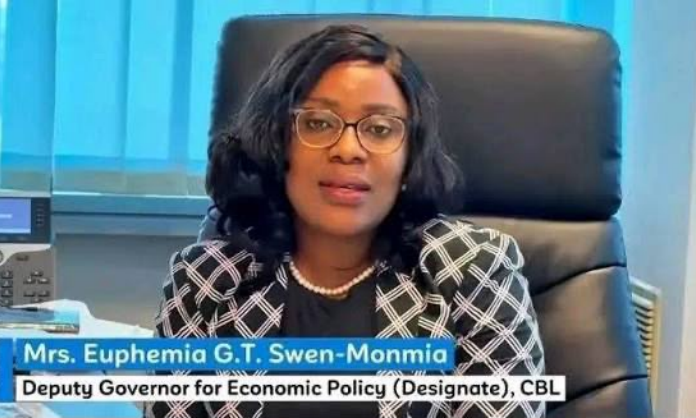
LIBERIANS RARELY LEARN what the people at the top of their government are paid. So when Euphemia G.T. Swen-Monmia, President Joseph Boakai’s nominee for deputy governor of the Central Bank of Liberia, told a Senate committee on October 22 that she earns US$9,000 a month in salary and about US$5,000 more in cash benefits, with a housing allowance on top, she did her country a service. In a West African nation of about 5.2 million people still rebuilding from 14 years of civil war, her candor deserved a better response than the one it got.
DAYS LATER, THE lower house of the national legislature voted unanimously to review the pay and perks of every government official. On its face, that is welcome. But listen to the debate that came with it and a different motive surfaces. Members called their own pay “peanuts.” One said the Executive branch is “reaping the honey” while lawmakers are “falsely crucified.” Another declared: “We are suffering.”
WITH RESPECT, HONORABLE members: you are not the ones suffering.
A LIBERIAN SENATOR earns US$8,000 a month under the draft 2026 national budget. A member of the House drew a basic salary of about US$8,569 a month in 2025, before separate funding for guards, drivers and cooks. The legislature’s budget has grown from US$41.3 million in 2024 to US$51.7 million in the 2026 draft. A bill to cut senators’ pay to US$5,000 has stalled since 2020.
ON OCTOBER 9, more than 40 members boycotted the opening of the legislative session. Their grievance was not a clinic without drugs or a classroom without a paid teacher. It was their own unpaid allowances for fuel, medical care and constituency visits.
NOW CONSIDER THE other Liberia. About half the population lives below the poverty line. The lowest-paid civil servant earns US$150 a month. At that rate, it would take more than seven and a half years to earn what the central bank nominee receives in a single month, and more than four years to match one month of a senator’s salary.
TEACHERS HAVE GONE without their U.S.-dollar pay since October 2025. Nurses are asking for a monthly minimum of US$500, a sum that would still leave them earning one-sixteenth of what a senator takes home. These are the Liberians at the bottom of the barrel: the market women, farmers, motorcycle-taxi riders and jobless young people for whom a decent life remains out of reach. They have no committee to hear their complaints. They have only the lawmakers they elected.
A CONTEST BETWEEN the legislature and the presidency over who deserves the bigger share of a shrinking pie does nothing for them. Liberia’s national budget crossed US$1 billion for the first time this year, and the government projects spending will fall to US$1.02 billion in 2027. Every extra dollar for one group of officials must come from somewhere. Too often, it comes from those with the least power to object.
THIS IS NOT a defense of the Executive. Pay at the top of Liberia’s ministries, agencies and state-owned enterprises is generous and almost never disclosed, and that must change. Representative Sumo Kollie Mulbah is right to demand that the Finance Ministry report every salary and benefit above US$5,000 a month. Liberians have a right to know what their ministers, directors and heads of public corporations take home, including housing allowances, fuel and phone-credit coupons and medical treatment abroad.
BUT THE REVIEW will mean nothing if it ends in a bargain among the powerful. Representative Musa Hassan Bility put it plainly: “We cannot continue to demand sacrifices from ordinary Liberians while protecting our own excessive privileges.” He urged the legislature to go first. His colleagues should listen.
WHEN THE COMMITTEES on Ways, Means and Finance and on Public Accounts report back in two weeks, we urge them to do three things:
1. PUBLISH IT ALL, starting with the legislature: the salary, allowances, support funds and benefits of every member, followed by every official in the Executive and state enterprises earning more than US$5,000 a month.
2. PASS THE CUT to senators’ pay that has waited six years, and set a firm ceiling on pay across all three branches of government.
3. DIRECT THE SAVINGS in the 2027 budget to where the need is greatest: teachers’ unpaid salaries, nurses’ pay and a higher minimum wage.
THE EXECUTIVE IS due to send the 2027 budget to the legislature by October 31. Lawmakers will soon show whose interests they serve. If this review becomes one more round in a fight among the powerful over who deserves more, Liberians will see it for what it is. If it becomes the moment the legislature finally looks down instead of across, it could be the most important thing this session does
Support Independent Journalism
Your support helps FrontPage Africa continue delivering independent, credible, and impactful journalism. Every contribution strengthens our ability to investigate, inform, and hold power accountable while keeping quality journalism accessible to our readers.
Support our journalism or subscribe to receive the latest FrontPage Africa stories and updates.