Monrovia — September 2, 2026
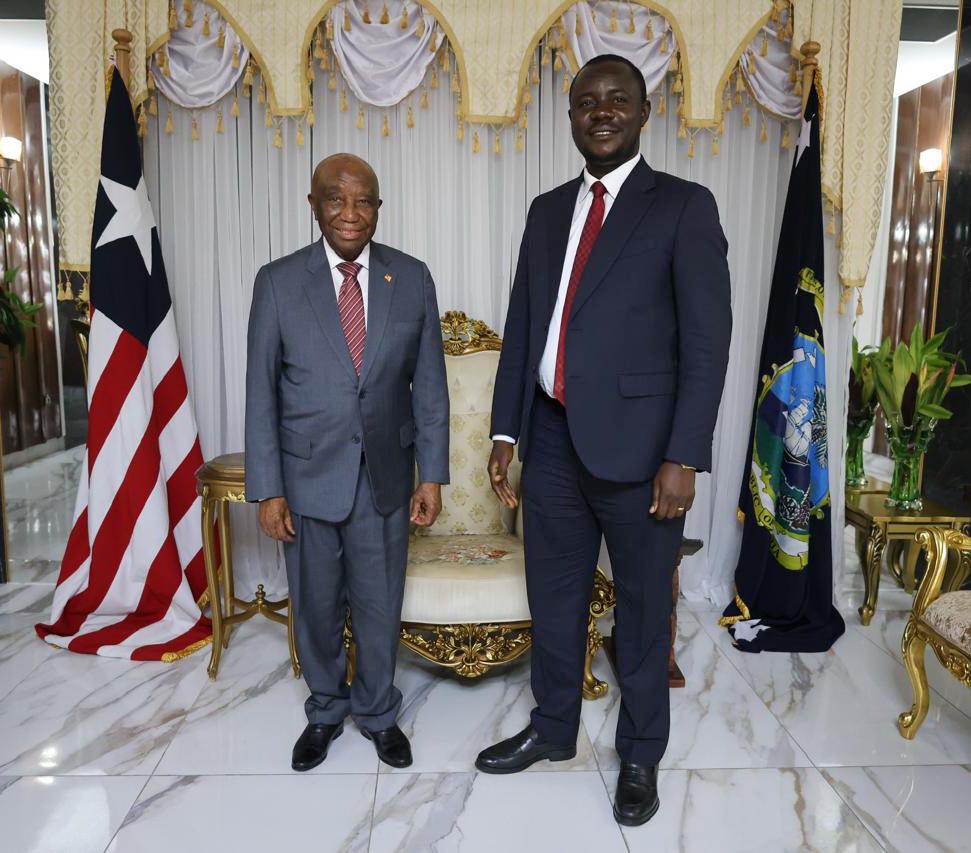
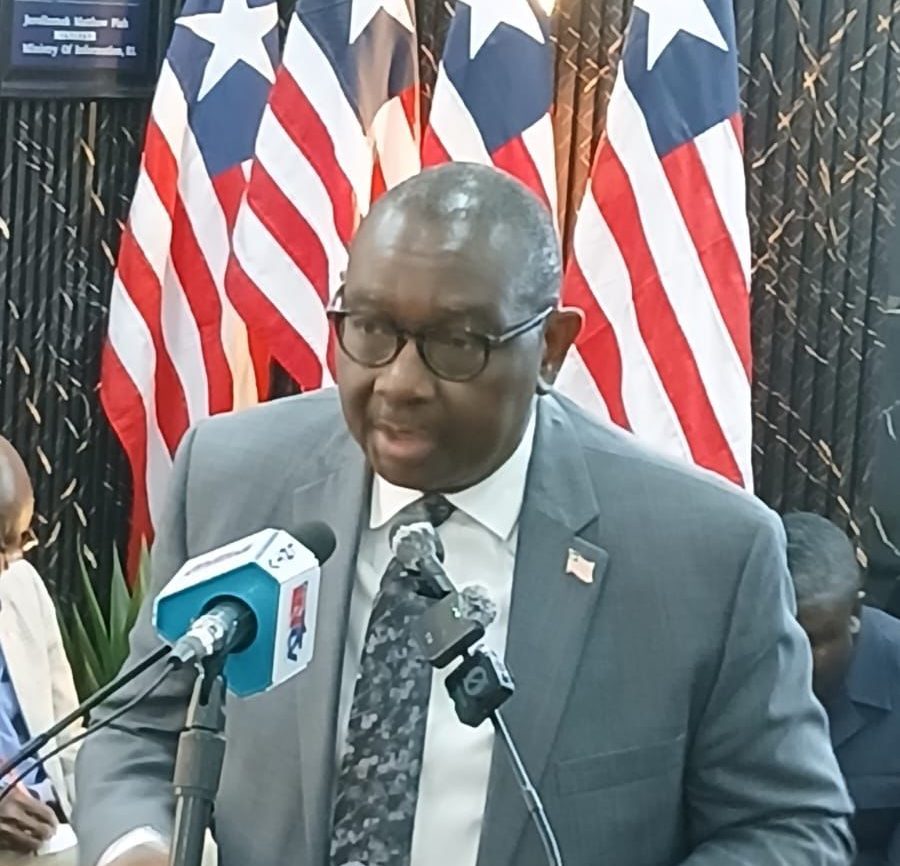
President Joseph Nyuma Boakai, Sr. has removed Cllr. N. Oswald Tweh as Minister of Justice and Attorney General, replacing him with Cllr. Betty M. Lamin-Blamo, according to a release issued Wednesday by the Executive Mansion’s Office of the Presidential Press Secretary. Outgoing Solicitor General Augustine Fayiah is also being moved, alongside Tweh, to other levels of government, the statement said. Cllr. Abrahim Boimah Sillah, Sr. has been named the new Solicitor General.
The Mansion’s announcement gave no reason for the shake-up, describing it only as part of a broader round of appointments touching the Ministries of Justice, Gender, Children and Social Protection, and Local Government, along with the PPCC and the National Transit Authority. But the reassignment lands at the end of a turbulent stretch for Tweh, whose tenure atop the Justice Ministry became entangled in Liberia’s sprawling narcotics-trafficking investigations.
Background: A Minister Under Pressure
Tweh spent much of 2026 as the government’s public face in the fight against drug trafficking, overseeing a period that produced some of Liberia’s largest-ever narcotics seizures — including roughly 237 kilograms of cocaine intercepted at Roberts International Airport and a nearly four-ton cocaine find in Duazon, Margibi County, which authorities called the largest in the country’s history. He repeatedly pledged that no one — regardless of wealth or political connection — would be shielded from prosecution if credible evidence existed.
But as the investigations widened to touch senior political figures, including a case alleging former Vice President Jewel Howard-Taylor’s connection to a $317 million drug case, scrutiny increasingly turned on Tweh himself.
In late August, reports emerged that Tweh had “voluntarily” appeared before the Senate Committee on Defense, Security, Intelligence and Veterans Affairs over questions about a vehicle he received from Police Inspector General Gregory Coleman — a vehicle critics alleged was traceable to drug-cartel money tied to the same trafficking networks under investigation.
The Justice Ministry pushed back, framing the vehicle as an official assignment rather than a personal gift from Coleman.
Journalist Aaron Kollie had characterized Tweh’s Senate remarks as effectively a confession that Coleman gave him the car, a characterization the Ministry disputed.
Days later, as recently as Wednesday, allegations resurfaced directly linking Tweh to individuals connected with the $317 million case, with some accusing him of accepting gifts from suspected traffickers.
His special assistant, Atty. Siafa Bahn Kemokai, publicly defended Tweh’s character and integrity, arguing that unproven claims of wrongdoing should not be conflated with ordinary political disagreement.
Separately, civil society and press figures — including CENTAL’s Anderson Miamen and Senator Amara Konneh — had pressed for an independent panel to probe the broader drug crisis, a call Tweh resisted, arguing that ongoing prosecutions, backed by cooperation with the U.S. DEA, Homeland Security and FBI, should not be interrupted.
Whether Wednesday’s reassignment is connected to the vehicle controversy, the trafficking-linked allegations, or is part of a routine cabinet reshuffle has not been confirmed by the Executive Mansion.
The appointments, the Mansion said, are part of the President’s “ongoing efforts to strengthen key institutions of Government,” and nominees requiring Senate confirmation will go through that process.
Support Independent Journalism
Your support helps FrontPage Africa continue delivering independent, credible, and impactful journalism. Every contribution strengthens our ability to investigate, inform, and hold power accountable while keeping quality journalism accessible to our readers.
Support our journalism or subscribe to receive the latest FrontPage Africa stories and updates.