“Leaders should be the frontispiece of wisdom and the phrontistery of national leadership—a living school where younger generations learn to think critically, lead responsibly, and serve society with integrity.”
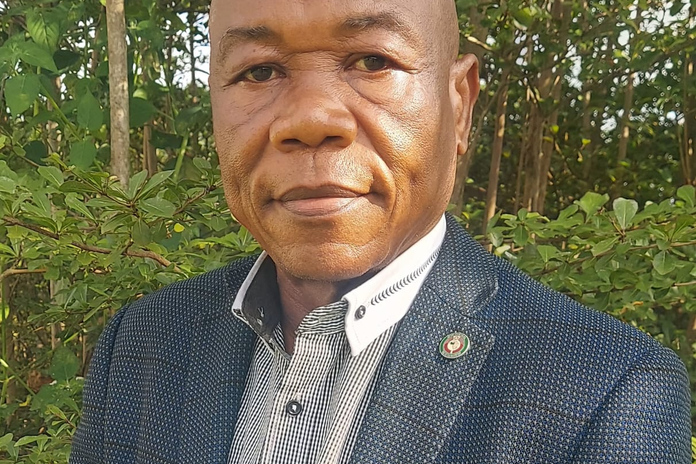
By: Austin S Fallah – A True Son of the Planet Earth Soil:[email protected]
“A great leader does not merely occupy the frontispiece of history; he becomes a phrontistery for the young, cultivating the thinking skills, moral courage, and civic responsibility upon which a nation’s future depends.”
“The finest leaders are not monuments to their own greatness but classrooms for the next generation: a frontispiece of service, a phrontistery of wisdom, and a guiding light toward the good of society.”
The Wisdom of Departure: “When you are a good dancer, you know when to leave the stage. Scarcity adds value, and dignity is often preserved by the leader who understands that departure is not defeat. Having left office, let your words become instruments of national healing, not weapons of political revenge. A nation is greater than the applause of any one leader.” — Inspired by Prof. P.L.O. Lumumba and the African wisdom of knowing when to leave the stage.
The Statesman Beyond Office: “A leader’s true legacy begins when the office is no longer his. If his words after departure deepen division, he has not left leadership behind; he has merely changed its form. The statesman who loves his country more than his political relevance chooses reconciliation over resentment and national unity over personal grievance.” — Inspired by Nelson Mandela and the tradition of African statesmanship.
The Philosopher and the Republic: “Society must be governed by reason, not by the passions of those who cannot accept that their season has ended. The former leader who continues to inflame the people mistakes personal disappointment for public duty. True wisdom asks not, ‘How can I remain powerful?’ but, ‘How can my words help the republic flourish?’”— Inspired by Socrates and his emphasis on wisdom, self-examination, and the examined life.
The Prince and the People: “Machiavelli understood that political power is fragile when it rests only on fear or personal loyalty. But the wiser lesson for a former leader is this: once the crown has passed, do not seek to govern the nation through bitterness. A country cannot be built by permanently mobilizing its people against one another.” — Inspired by Niccolò Machiavelli and the political lessons of The Prince.
The Poet’s Measure of Greatness: “The poet knows that silence can be more powerful than speech, and the former leader must learn the same discipline. When the stage is no longer yours, do not fill the nation’s air with bitterness. Let your words carry the music of healing, for the greatest voice is not always the loudest, but the one that leaves the people more united.” — Inspired by Maya Angelou and the poetic tradition of dignity, resilience, and human fellowship.
The Novel and the Nation: “A nation is not a novel written by one character. It is a story shaped by many voices, many sacrifices, and many generations. The former leader who turns every public utterance into a chapter of grievance risks teaching the people that the country belongs to one political household. Let the final chapters of leadership be written in the language of reconciliation.” – Inspired by Chinua Achebe and the literary tradition of national identity and moral responsibility.
The World Leader’s Counsel: “Power is temporary, but the wounds of division can outlive a generation. A leader who has left office should use his influence to calm the nation, strengthen institutions, and encourage peaceful coexistence. The greatest victory after political power is not the humiliation of an opponent, but the preservation of the country.” — Inspired by Kofi Annan and the principle that peace and national reconciliation are greater than political triumph.
The Final Applause: “The good dancer knows when to leave the stage, but the great statesman knows what to do after the applause has ended. He does not turn his departure into a permanent campaign of division. He becomes a voice for healing, a guardian of national cohesion, and a reminder that no office is greater than the republic. In the end, history remembers not only how leaders ruled, but how they helped their nations live together.”
— Inspired by Prof. P.L.O. Lumumba, African political wisdom, and the enduring lessons of history.
In the complex world of politics, leaders must know when to gracefully exit their roles as much as they do how to campaign and serve.
This exit, or conclusion of one’s political career, holds immense significance not only for the individual politician but also for the society they leave behind.
Politicians, particularly those who have served multiple terms, often struggle with the concept of stepping down.
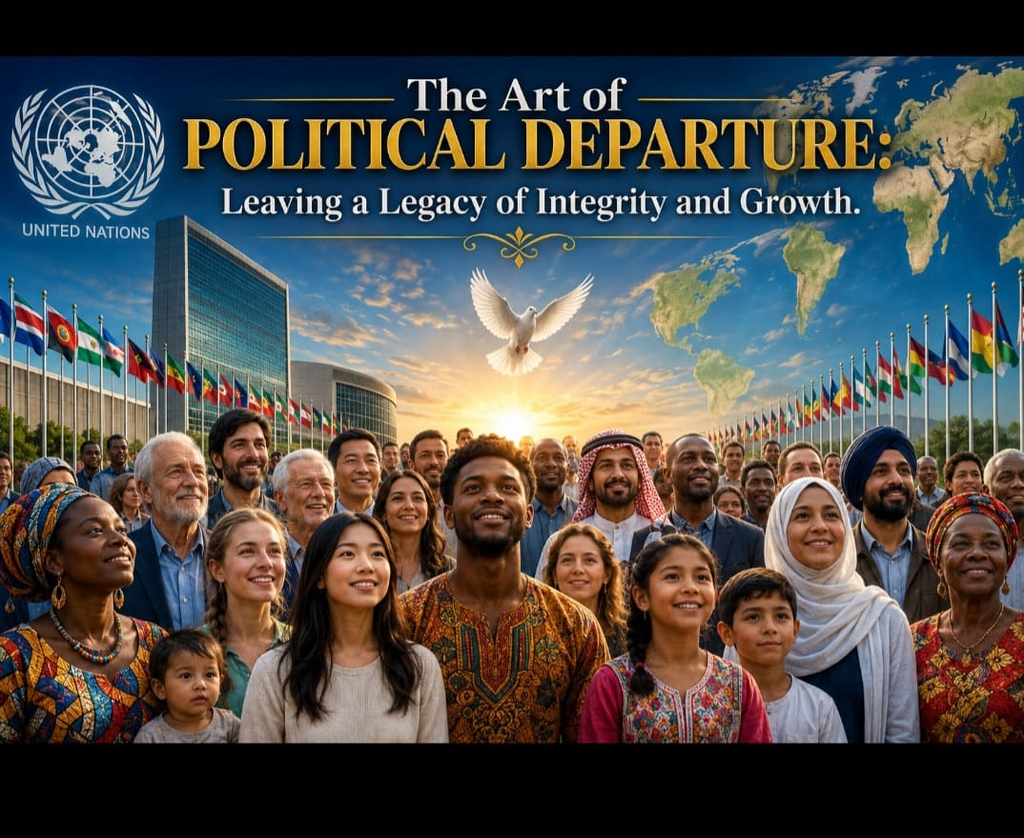
The time has come for these individuals to learn the vital lesson of leaving the political stage and understand how their departure can forge a legacy of morality and integrity for future generations.
This essay explores the importance of recognizing when to leave politics, the implications of overstaying one’s welcome, and the benefits of setting an example for future leaders.
At the heart of this discussion is the concept of legacy.
A legacy is not built solely from the achievements and accolades one collects during their tenure.
Instead, it is rooted in how a leader is remembered after they leave office.
Politicians who overstay their welcome and want to remain in the public sphere often tarnish their legacies with controversy and conflict.
They become symbols of political stagnation, greed, and self-serving behavior.
This reality prompts politicians to reassess their roles after serving their constituents or nation.
Leaders must learn that their importance is not defined by the length of their time in office but rather by how they influence the political landscape for those who follow.
For instance, many politicians believe that their continued presence in office and the public space ensures stability and progress.
They often see themselves as indispensable figures, clinging to their past or current roles despite growing opposition from the electorate.
This self-centered view creates a cycle of frustration among the populace, leading to a unidimensional political environment where change becomes nearly impossible.
The visionary, not the noisemakers running the streets with outdated political slogans that hold no water, is silenced; the electorate’s voice is silenced, as they long for fresh ideas and inclusive representation but are left with outdated political structures dominated by leaders who refuse to step out of the public spotlight.
In contrast, politicians who recognize when it is time to leave the stage become role models for good governance and ethical leadership.
They create an atmosphere of trust, inspiring the next generation of leaders to step up and contribute to the ongoing political discourse.
Through their conscientious exits, prominent leaders can show how collaboration, mentorship, and guidance can shape a healthier political landscape.
By leaving on a high note, these politicians maintain their dignity and respect, even amid critical supporters and perceived opposition.
One potent expression of this wisdom comes from Professor P.L.O. Lumumba, who asserts that “when you are a good dancer, you should learn when to leave the stage.”
This metaphor illustrates the need for politicians to recognize that their performances have a time limit.
Just as a talented dancer knows when to bow out gracefully, politicians too must grasp the importance of timing in their careers.
The political stage serves as a platform for societal change, but unwarranted extensions of one’s outdated tenure can cloud the mission of serving the people.
Leaving politics also revolves around acknowledging that leadership transcends individual aspirations.
When politicians stay on the political stage too long, they often cultivate a culture of self-interest and entitlement.
Instead of fostering a political environment that encourages new ideas and perspectives, the so-called ill-informed, politically unschooled block ambitious new voices from entering.
Such obstructive behavior denies society the evolution it deserves.
Therefore, politicians should create paths for upcoming leaders by stepping aside and allowing fresh perspectives to emerge, rather than those ideas that did nothing for the people when they had political power.
Beyond creating space for new leaders, the exit of seasoned politicians and political novices pres, andents an opportunity to redefine public service.
It emphasizes the importance of civic responsibility and the need for strong moral examples.
Visionary politicians can set a forward-thinking precedent by actively participating in initiatives that support younger generations, whether through mentorship programs or public speaking engagements.
They can draw on their experiences to guide budding leaders, offering insights into ethical governance while inspiring them to pursue public service with integrity.
Leaving the political stage requires leaders to reflect on their values and the principles they want to embody.
A leader’s commitment to the greater good must supersede their desire for personal gain, and that of those so-called gravy-seeking and pussyfooting supporters with no understanding of good governance.
By stepping back, they send a resounding message: public service is about the collective welfare rather than individual ambition.
Serving in office should stem from a desire to uplift others, recognizing that leadership’s power lies in elevating those around you rather than holding onto public space for its own sake.
Furthermore, leaving gracefully allows politicians the opportunity to hold themselves accountable for their time in office.
Stepping down can be accompanied by an honest reassessment of one’s contributions, recognizing past mistakes, celebrating achievements, and acknowledging the impact on constituents.
This reflection is crucial, as it fosters personal growth and encourages transparency and a culture of accountability in governance.
Politicians who openly examine their leadership journeys offer future leaders valuable lessons on both the highs and lows of public service.
The benefits of exiting the political stage extend not just to the individuals involved but to the fabric of society itself.
When seasoned leaders step aside, they foster an environment of healthy political competition, encouraging others to bring forth innovative ideas and fresh perspectives.
This dynamic is essential for democratic vitality, as it encourages participation and keeps the political discourse vibrant and inclusive.
Moreover, by becoming mentors and advisors rather than active participants in politics, former leaders can contribute to political discourse from a respected standpoint while avoiding the pitfalls of political rivalry and partisan conflict.
Their experiences and knowledge can help shape policy debates and guide younger generations without overshadowing their voice.
Consequently, a society that encourages input from informed leaders while centering the conversation on new ideas can pave the way for a more engaged and dynamic electorate.
In addition, the evolution of a political landscape that encourages leaders to step back has profound implications for the public’s perception of government.
When politicians exit voluntarily and gracefully, public trust in government institutions tends to increase.
Citizens can view their leaders not as entrenched politicians but as public servants willing to put the community’s interests first.
This shift can bridge the gap between society and government, fostering a collaborative atmosphere where citizens feel empowered to participate in political processes and engage with their leaders.
Knowing when to leave the political stage for good to give society a peaceful engagement rather than the empty political rhetorical slogans is immensely important for politicians, particularly those who have made some socially significant contributions over their careers.
A politician’s best legacy is not defined solely by their time in office.
Instead, it is defined by the integrity, ethical values, and positive influences they instill in others as they exit.
By stepping back from active politics, seasoned leaders free themselves from the constraints of power and allow future generations to emerge and invigorate the political landscape.
As Professor P.L.O. Lumumba aptly conveys, being a good performer means recognizing the moment to depart.
Exiting the political stage not only opens avenues for newer voices but also enriches our societies with examples of humility, responsibility, and civic consciousness.
By embodying these principles, leaders can ensure that their legacies become a wellspring of wisdom for the leaders of tomorrow.
The time has come for politicians to embrace their role as guardians of the future and to lead by example; it is time to step back while cherishing the legacy left for the next generation of leaders.
Support Independent Journalism
Your support helps FrontPage Africa continue delivering independent, credible, and impactful journalism. Every contribution strengthens our ability to investigate, inform, and hold power accountable while keeping quality journalism accessible to our readers.
Support our journalism or subscribe to receive the latest FrontPage Africa stories and updates.