It is commendable to recognize Honourable Briggs’ interventions at ECOWAS and to join Liberians in expressing appreciation on social media for her efforts. Yet, the saying “character begins at home” rings true here: the honorable’s most potent impact would be felt if she anchored her advocacy in Liberia, starting with a robust internal critique that addresses the foundations of governance.
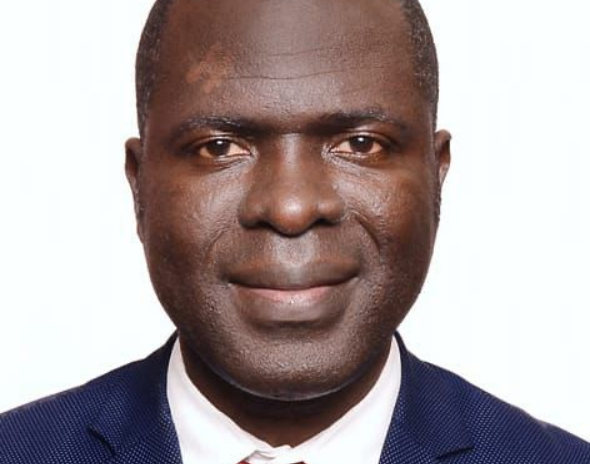
By Samuel Zohnjaty Joe, Contributing writer
The Liberian Legislature must tighten its belt by reducing its budget, curtailing travels, and halting the wastefulness of purchasing expensive vehicles. It is time to redirect energy and resources toward what truly sustains the nation: electricity, education, and health care. An efficient, reliable power supply, quality schools, and accessible health services would create the enabling environment Liberians need to thrive. Only then can advocacy abroad reflect the real, lived needs of Liberians and translate into tangible improvements at home.
Beyond the budget and governance, there is a pressing need to reframe Liberian participation in procurement. Our private sector remains overwhelmingly dominated by foreign interests: Bea Mountain, Acella Metal, and mining ventures are largely controlled by non-Liberian interests, with scant Liberian shareholding or no meaningful local ownership. The government’s contracting framework rarely favors Liberian businesses, and local contractors often compete against Lebanese, Indian, and Chinese firms for government catering and other contracts across agencies nationwide. The current reality strips Liberian entrepreneurs of opportunities to grow, hire Liberians, and contribute to domestic development. This is not merely an economic concern; it is a question of national dignity and the ability of Liberians to build wealth within their own country.
Given this, Liberians abroad may face prejudice and hostility, but the root of discontent remains domestic: the lack of genuine opportunities for Liberian-owned businesses and a governance system that does not sufficiently prioritize national wealth creation for Liberians. While there is merit in Honourable Briggs’ insistence on robust, principled advocacy on the international stage, the most enduring gains will be realized if such advocacy is braided with steadfast, systemic action at home—where policy, procurement, and investment decisions are made.
To advance this agenda, a public, transparent framework for Liberian contracting should be established—one that ensures competitive bidding, clear criteria for Liberian participation, and enforceable local-content requirements that gradually increase Liberian ownership and control in major sectors. This approach would empower Liberian businesses to scale, encourage technology transfer, and create jobs while reducing the current overreliance on foreign contractors for essential services.
A conversation with a friend the other day concluded that failure to address the fundamental issues indicates a gross failure-meaning we should instead rename Tumban Boulevard to Berul or Bejin Boulevard to signals a cultural reclamation—an assertion that we have lost, Liberian identity and sovereignty deserve public recognition in the very infrastructure we use daily. The fact that every best structure on our best blvd is owned by foreigers-such symbolic acts must be paired with concrete policy changes to clearly demonstrate that we have lost our pride and practical opportunity to foreigners.
In sum, the honorable’s critique is valuable and timely, but its most meaningful realization lies in a two-pronged strategy: assert principled advocacy on the international stage while vigorously reforming the domestic landscape to ensure Liberians can compete fairly, own a meaningful stake in national projects, and reap the benefits of their own resources. The path forward demands accountability, transparency, and a resolute commitment to prioritizing Liberian capacity—economic, political, and social—over foreign precedence.
Support Independent Journalism
Your support helps FrontPage Africa continue delivering independent, credible, and impactful journalism. Every contribution strengthens our ability to investigate, inform, and hold power accountable while keeping quality journalism accessible to our readers.
Support our journalism or subscribe to receive the latest FrontPage Africa stories and updates.