Monrovia, Liberia – A coalition of Liberian civil society organizations under the Civil Society Oil Palm Working Group (CSO-OPWG) has called on the Roundtable on Sustainable Palm Oil (RSPO) to immediately reinstate the stop work order on Golden Veroleum Liberia (GVL), accusing the company of failing to meet critical conditions set since 2018.
By Claudius T. Greene, Jr., Contributing Writer
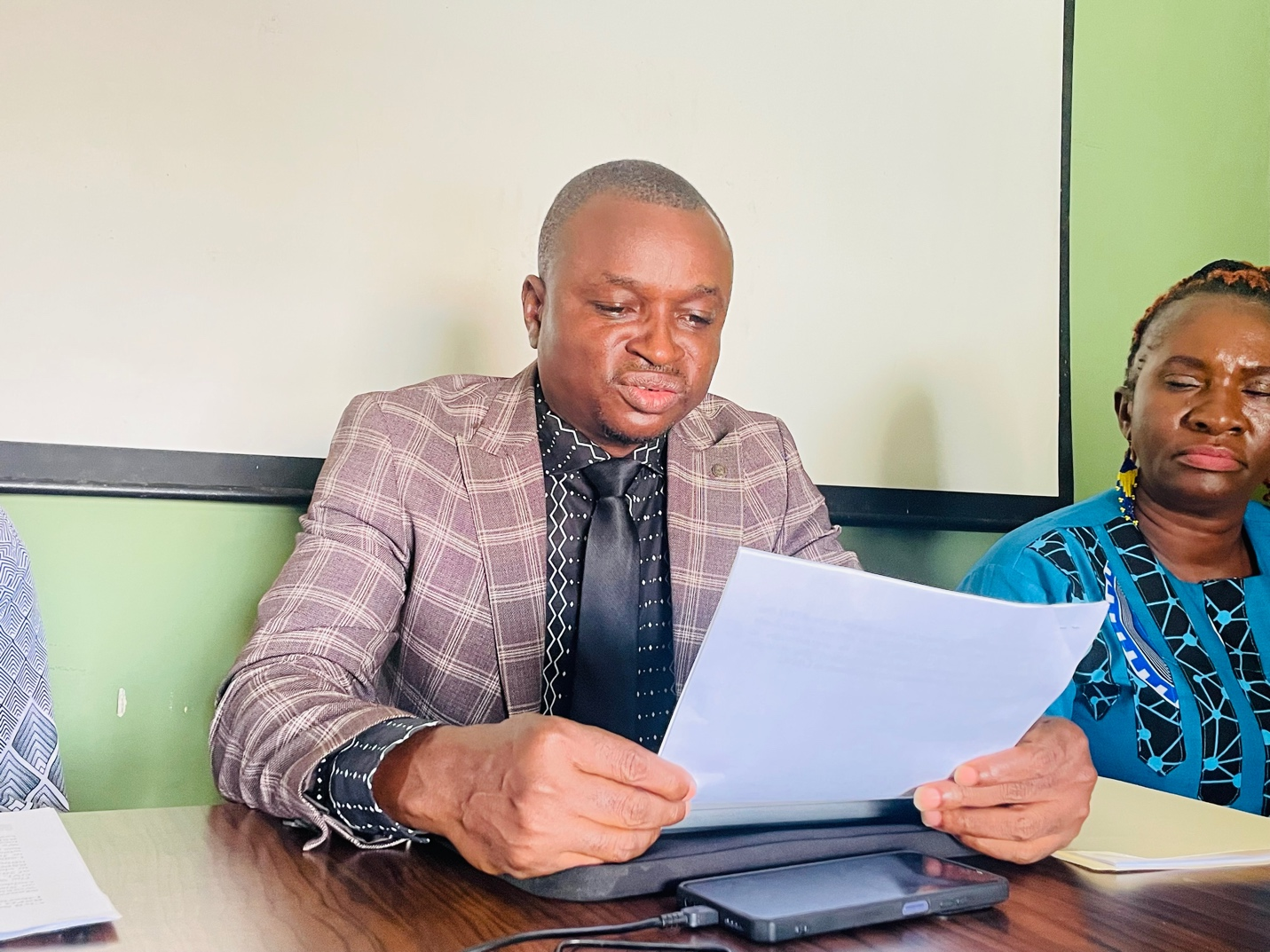
Speaking on behalf of the group, Sampson M. Williams of the Sustainable Development Institute described RSPO’s recent decision to close post-complaint monitoring on GVL as “premature and troubling,” noting that the company has yet to implement essential measures designed to protect local communities and the environment.
“The key RSPO and High Carbon Stock Approach (HCSA) conditions for lifting the stop work order have not been met,” Williams said. “By closing this case, RSPO is sidelining communities’ rights to redress and undermining its credibility as a sustainability watchdog.”
According to CSO-OPWG, its January 2024 monitoring report confirmed that most directives from the RSPO Complaints Panel’s 2018 decision remain unfulfilled. These include signing permanent Memorandums of Understanding (MoUs) with communities through Free, Prior, and Informed Consent (FPIC), and adopting an integrated conservation land-use plan.
Williams alleged that during the Ebola crisis, GVL signed provisional MoUs with only a few individuals in affected areas, bypassing broader community participation—a violation of RSPO standards. To date, no permanent agreements have been established with communities in Sinoe County, where the company operates.
Echoing these concerns, Paul Larry Gerse, Chairperson of the Alliance for Rural Democracy (ARD), warned that lifting the stop work order risks exacerbating tensions in palm oil-affected areas. “Communities in Grand Kru and Sinoe feel their hopes have been dashed,” he said. “GVL has not carried out participatory mapping or held the consultative meetings required under the stop work order. These failures continue to breed conflict and mistrust.”
The CSO-OPWG outlined three urgent actions for RSPO’s Complaints Panel: revisit the 2018 decision and thoroughly assess GVL’s compliance with civil society, government, and international stakeholders; ensure robust monitoring to close implementation gaps; and maintain the stop work order until GVL fully meets RSPO and HCSA standards.
Williams emphasized that RSPO’s global reputation depends on its willingness to enforce its principles. “The integrity of RSPO hinges on its ability to act without fear or favor,” he said. “Ignoring its standards sends a dangerous message that corporations can operate above accountability while communities remain voiceless.”
The Civil Society Oil Palm Working Group represents platforms across Liberia’s palm oil-affected communities, particularly in the Southeast. It insists that until GVL addresses long-standing grievances, including land disputes and lack of consent, the stop work order should remain in place.
Support Independent Journalism
Your support helps FrontPage Africa continue delivering independent, credible, and impactful journalism. Every contribution strengthens our ability to investigate, inform, and hold power accountable while keeping quality journalism accessible to our readers.
Support our journalism or subscribe to receive the latest FrontPage Africa stories and updates.