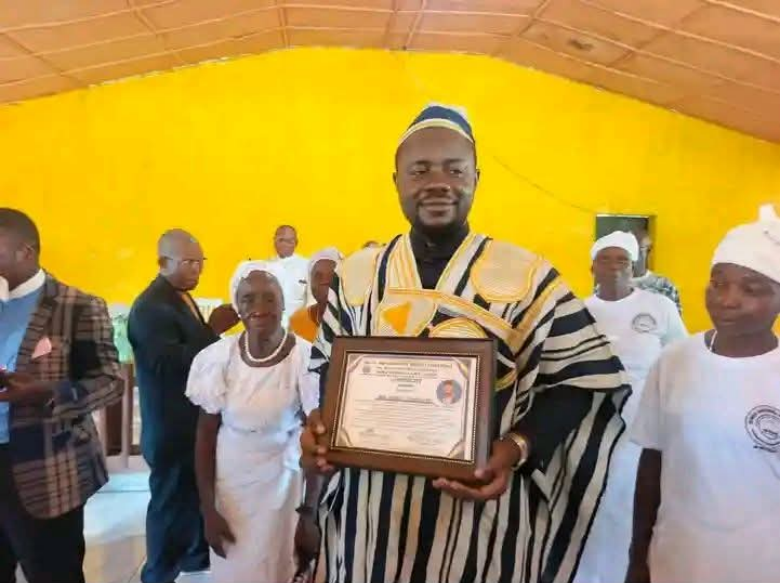
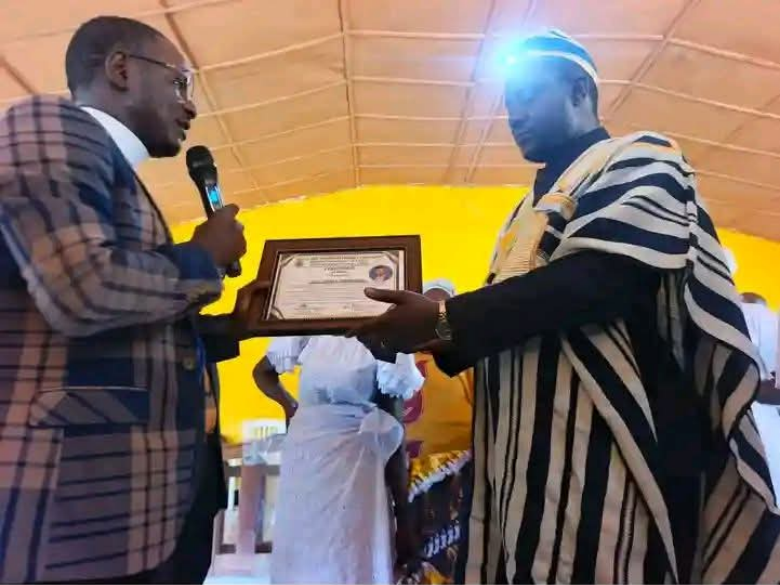
GBARNGA, Bong County – Representative Foday E.K. Fahnbulleh of Bong County Electoral District Seven has expressed profound appreciation to the leadership and members of the Global Methodist Church, Mount Gibi Northwest District, following his recognition on Sunday as Laity of the Year for 2026–2027.
By Selma Lomax, [email protected]
The recognition, which was bestowed upon the lawmaker during a church gathering on Sunday, represents another significant moment in his relationship with religious institutions and comes as faith-based organizations continue to play important roles in promoting social cohesion, community participation, and development initiatives in Bong County.
Following the ceremony, Representative Fahnbulleh took to social media to express his gratitude to the church, its leadership, and congregation for recognizing his contributions and pledging their continued support to his team.
“I would like to extend my heartfelt thanks and appreciation to the Global Methodist Church, Mount Gibi Northwest District, for honoring me as Laity of the Year for 2026–2027 and pledging their unflinching support to our team,” the lawmaker wrote.
“My family and I are deeply grateful for this recognition and for acknowledging our humble contributions to the development of our people and the growth of the Church. This honor inspires us to continue serving with humility, faith, and dedication. May God richly bless the Church, its leadership, and all its members. Thank you all for this honor, encouragement, and continued support,” he added.
The lawmaker’s message placed particular emphasis on humility, gratitude, and continued service, reflecting his view that recognition from a religious institution should encourage greater responsibility rather than become an occasion for personal celebration alone.
For Rep. Fahnbulleh, who represents communities in Fuamah and Sanoyea Districts, the recognition also brings attention to the relationship between elected officials and religious institutions, particularly in rural communities where churches often serve as centers for education, social support, community mobilization, and moral guidance.
His acknowledgment of the church’s support comes against the broader backdrop of expectations surrounding elected officials in Bong County, where residents continue to look to their representatives for leadership on education, healthcare, infrastructure, youth development, and opportunities for vulnerable communities.
Although the lawmaker did not outline specific new commitments in his public statement, his appreciation of the church’s recognition suggests that he considers collaboration with religious organizations an important part of his wider engagement with the people he represents.
The recognition may also serve as encouragement for stronger cooperation between community-based institutions and public officials in addressing challenges that cannot be resolved through government intervention alone, particularly in communities where churches have historically provided support to families, promoted peaceful coexistence, and encouraged citizens to participate in development activities.
Beyond its religious significance, the Laity of the Year honor draws attention to the importance of lay participation in church activities, including the contributions of individuals who support the work of religious institutions while carrying out responsibilities in their professional, political, and community lives.
Representative Fahnbulleh’s appreciation also highlights the role that public acknowledgment can play in motivating community service, particularly when the recognition comes from institutions whose members are directly connected to the everyday experiences and challenges of local residents.
His statement that the honor inspires continued service with humility, faith, and dedication places the emphasis on future responsibility and suggests that he intends to view the award as encouragement to maintain his engagement with the church and the wider community.
The lawmaker’s reference to the support pledged by the church to his team also underscores the importance he attaches to relationships built through community engagement, although the nature and scope of that support were not detailed in his published remarks.
For the Global Methodist Church, Mount Gibi Northwest District, the recognition provides an opportunity to highlight the contributions of lay members and supporters whose involvement may extend beyond worship services to broader activities that strengthen the institution and its surrounding communities.
Such honors can also encourage reflection on the responsibilities associated with leadership, particularly the expectation that individuals occupying influential positions should demonstrate compassion, integrity, accountability, and a willingness to support initiatives that benefit society.
In the context of Bong County, where religious institutions frequently interact with community leaders and elected officials, recognition of this nature can strengthen relationships while drawing attention to the need for sustained collaboration in addressing development challenges.
The church’s decision to recognize Fahnbulleh may be understood within that broader tradition of acknowledging service, although the specific selection criteria and the pastor’s detailed explanation of the award have not yet been independently confirmed.
The recognition also raises the broader question of how public officials can translate appreciation from religious and community institutions into sustained efforts that respond to the needs of ordinary citizens, particularly young people, women, elderly residents, and families experiencing economic difficulties.
For Representative Fahnbulleh, the immediate message following Sunday’s ceremony was one of gratitude rather than political celebration, with the lawmaker choosing to thank the church, acknowledge his family’s appreciation, and reaffirm the values of humility, faith, and dedication.
His reference to the growth of the Church and the development of the people further suggests that he regards religious advancement and community progress as complementary responsibilities requiring cooperation among individuals, institutions, and leaders.
The Sunday recognition also places the spotlight on the importance of partnerships between faith-based institutions and elected representatives, especially in communities where development needs remain significant and local organizations often help mobilize resources, encourage volunteerism, and provide assistance to disadvantaged residents.
Support Independent Journalism
Your support helps FrontPage Africa continue delivering independent, credible, and impactful journalism. Every contribution strengthens our ability to investigate, inform, and hold power accountable while keeping quality journalism accessible to our readers.
Support our journalism or subscribe to receive the latest FrontPage Africa stories and updates.