PULA TOWN, Maryland County — In the 21st century, one would expect town meetings under trees and children learning in collapsing buildings to be things of the past in Liberia. But for the people of Pula Town in Maryland County’s District #1, these hardships remain daily realities—products of neglect and unfulfilled political promises.
By Peter P. Toe, Jr., contributing writer
Broken Promises, Broken Buildings
Since 2017, Senator James Biney—now Maryland’s Senator and formerly the District’s Representative—has reportedly pledged to build a town hall and support local development. Eight years on, neither the hall nor other promised projects have materialized.
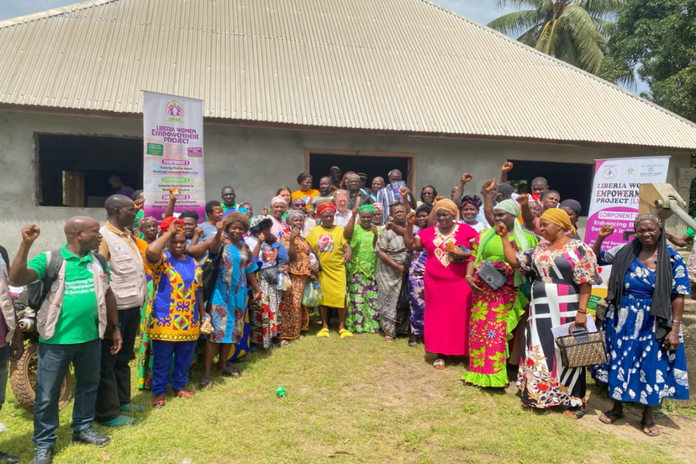
“James Biney even promised to bring us a cassava grinding machine. We grow cassava as our main agricultural produce,” lamented Helena Sterm, the town’s women leader. “He said he would help us, but nothing has happened.”
With no town hall, Pula’s citizens still gather under trees for meetings—conditions they say make them feel forgotten in Liberia’s drive for decentralization and development.
School in Crisis: Over 230 Children at Risk
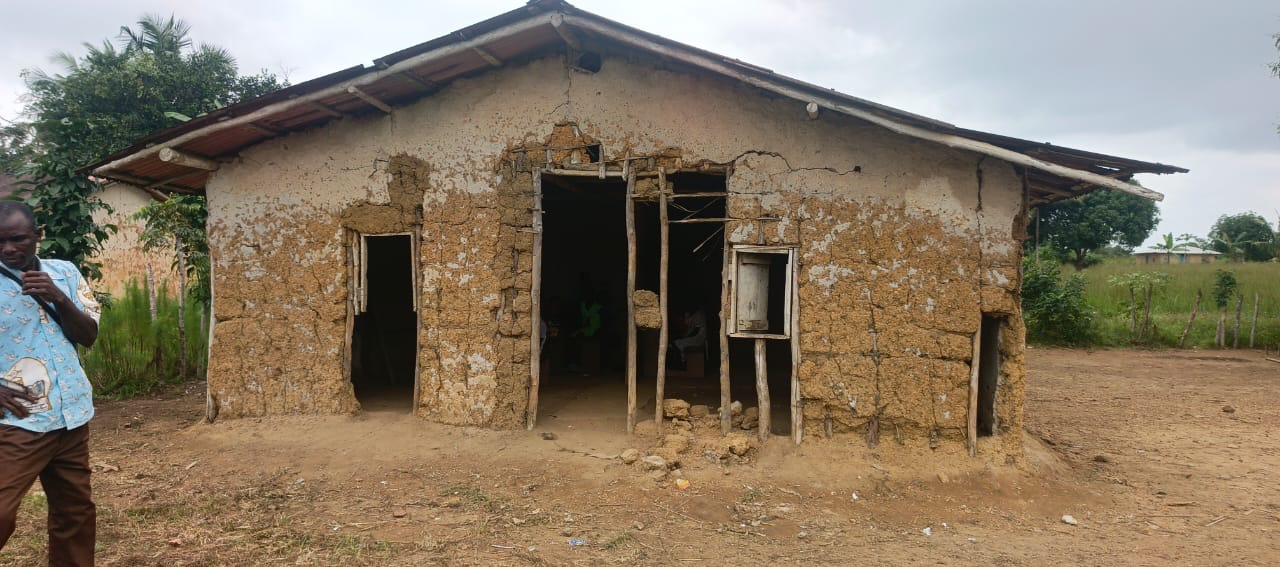
The town’s only school, serving more than 230 children from nursery through junior high, is crumbling. The nursery and kindergarten classes operate from a mud hut—half of which has already collapsed. Pupils sit on bare floors, using their school bags as cushions because there are no chairs. The main school building has a leaking roof, a rotten ceiling, and cracked walls, leaving children exposed to rain and sun. The teachers’ quarters, begun under Senator Biney’s watch, remain incomplete.

“That Teachers Quarters the female teacher is sleeping in, it was built by Senator Biney, but the building is uncompleted. Doors not fixed, no toilet, no mattress. Everything is down,” said PTA Chairman David Landford.
“I sleep on a bed made of sticks. I put my bag on top and sleep on it,” added Mrs. Annie Clark, the school’s only female teacher and Vice Principal. “I’ve been here for two years without support.”
Only three teachers manage the school—two on the government payroll and one a volunteer—under what residents describe as “extreme hardship.”
Authorities Aware, But Say Funds Lacking
The Maryland County Accountability and Advocacy Team (CAAT), under the UNDP-supported Social Accountability Monitor Program, recently uncovered the situation and raised it with County Education Officer (CEO) Larry Nimely Jr.
“This is a national issue—we’re aware,” Nimely admitted. “At the moment, there’s no funding available for renovation, but when the Ministry or partners allocate funds, we will act.”

He acknowledged the crisis but stressed that education infrastructure challenges are widespread across the country.
Meanwhile, Senator Biney has yet to respond to multiple calls and messages requesting comment.
A Community Left Behind
Frustrated residents say they feel abandoned. With no safe school, no town hall, and no visible government support, they are demanding urgent action.
“Our children are sitting in danger every day. What more do we have to lose before someone helps us?” one parent asked.
As the 2025/2026 academic year begins, more than 230 children in Pula are forced to learn in dangerous, deteriorating conditions—while the promises made to them remain unfulfilled echoes of campaign seasons past.
Support Independent Journalism
Your support helps FrontPage Africa continue delivering independent, credible, and impactful journalism. Every contribution strengthens our ability to investigate, inform, and hold power accountable while keeping quality journalism accessible to our readers.
Support our journalism or subscribe to receive the latest FrontPage Africa stories and updates.