The Government of Liberia, through the Liberia Intellectual Property Office (LIPO), has announced that it is on track to surpass its annual intellectual property registration target after recording 526 registrations by the end of the third quarter of 2026.
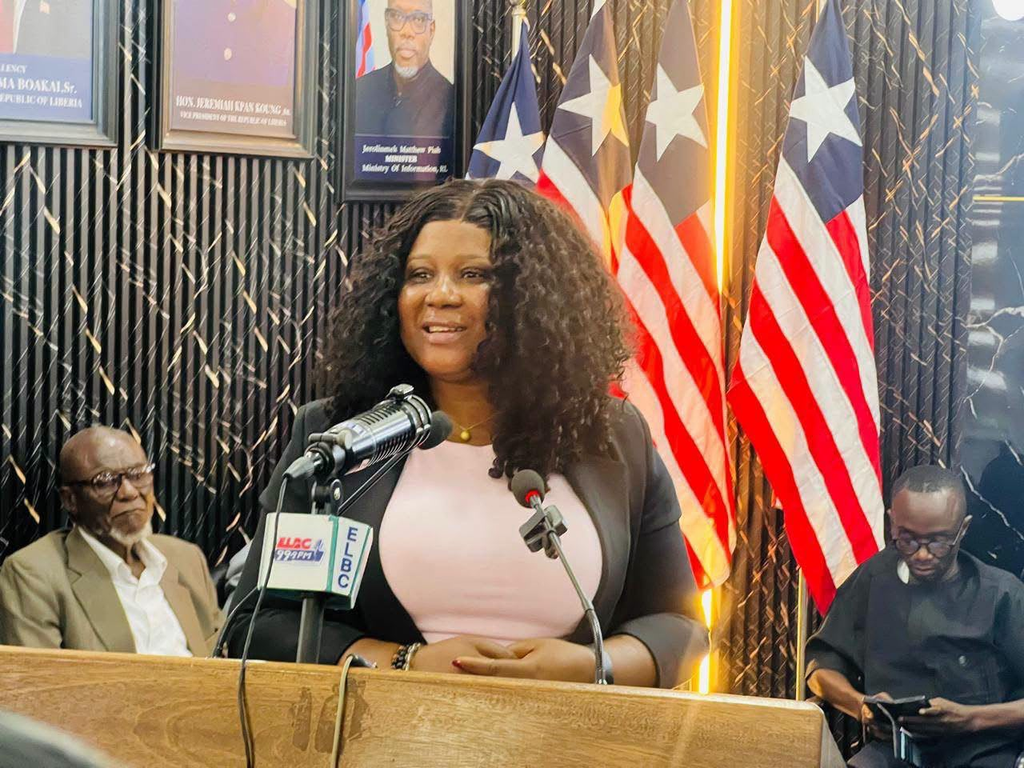
Speaking at the Ministry of Information’s regular press briefing on Thursday, LIPO Director General Hon. Garmai Koboi noted that the Office had achieved 95.6 percent of its annual target of 550 registrations — expressing confidence that the current pace of registrations would push the year-end figure beyond the projected benchmark.
According to Hon. Koboi, trademarks accounted for the overwhelming majority of registrations, with 483 recorded during the period, followed by 40 copyright registrations and three industrial designs.
Of the total, Hon. Koboi further disclosed that 174 of the registrations were by Liberian-owned businesses and foreign nationals with established business operations in the country.
“With 526 applications recorded against an annual target of 550, we have achieved 95.6 percent of our FY2026 intellectual property registration target, leaving an outstanding balance of just 24 applications, representing 4.4 percent of the annual target,” Hon. Koboi added. “This performance reflects the work we are doing to strengthen intellectual property awareness and engagement among businesses, entrepreneurs, and other key stakeholders through targeted outreach, capacity-building initiatives, and stakeholder collaboration.”
According to Hon. Koboi, the uptake in registration is down to LIPO’s ongoing efforts to make intellectual property services more accessible, particularly to entrepreneurs, creators, and small businesses seeking to protect and commercialize their innovations, brands, and creative works.
“These achievements reflect the progress we are making toward building a stronger and more inclusive intellectual property ecosystem in Liberia,” the Director General said. “By supporting enterprise development, promoting creativity and innovation, strengthening intellectual property protection, and expanding access to IP services for SMEs and creators, we are seeing a lot of uptake in our registration and use of the IP system.”
Highlighting LIPO’s other achievements, Hon. Koboi pointed to the implementation of the Business and Intellectual Property Management Clinic (BIPMC), undertaken in partnership with the United Nations Industrial Development Organization (UNIDO) through its GROW-2 Project.
The initiative, according to LIPO and UNIDO, reached 142 entrepreneurs across Lofa, Bong, Nimba and Margibi counties, providing practical training, business advisory support and technical guidance on intellectual property identification, registration and management.
At the closure of the clinic, 90 intellectual property applications were filed for the first time by enterprises in these counties, of which 39 resulted in the issuance of intellectual property registration certificates to applicants who satisfied the legal and regulatory requirements under the Liberia Intellectual Property Act of 2016.
The project, according to Hon. Koboi, forms part of a broader national effort by the Government to integrate intellectual property protection into business development, particularly in agriculture, food processing, fashion, manufacturing and other sectors where entrepreneurs increasingly rely on brands, creative designs and product differentiation to compete in the marketplace.
Speaking also, Hon. Koboi noted that LIPO, in collaboration with the World Intellectual Property Organization (WIPO), has expanded the 2nd edition of the Intellectual Property Management Clinic (IPMC) to 40 SMEs in four counties, providing specialized one-on-one mentorship support to 40 small and medium-sized enterprises across Montserrado, Nimba, Bong and Lofa counties.
The initiative provides training and technical advisory support to participating businesses in order to help them strengthen their intellectual property management practices, minimize infringement risks and identify opportunities for business growth and market expansion.
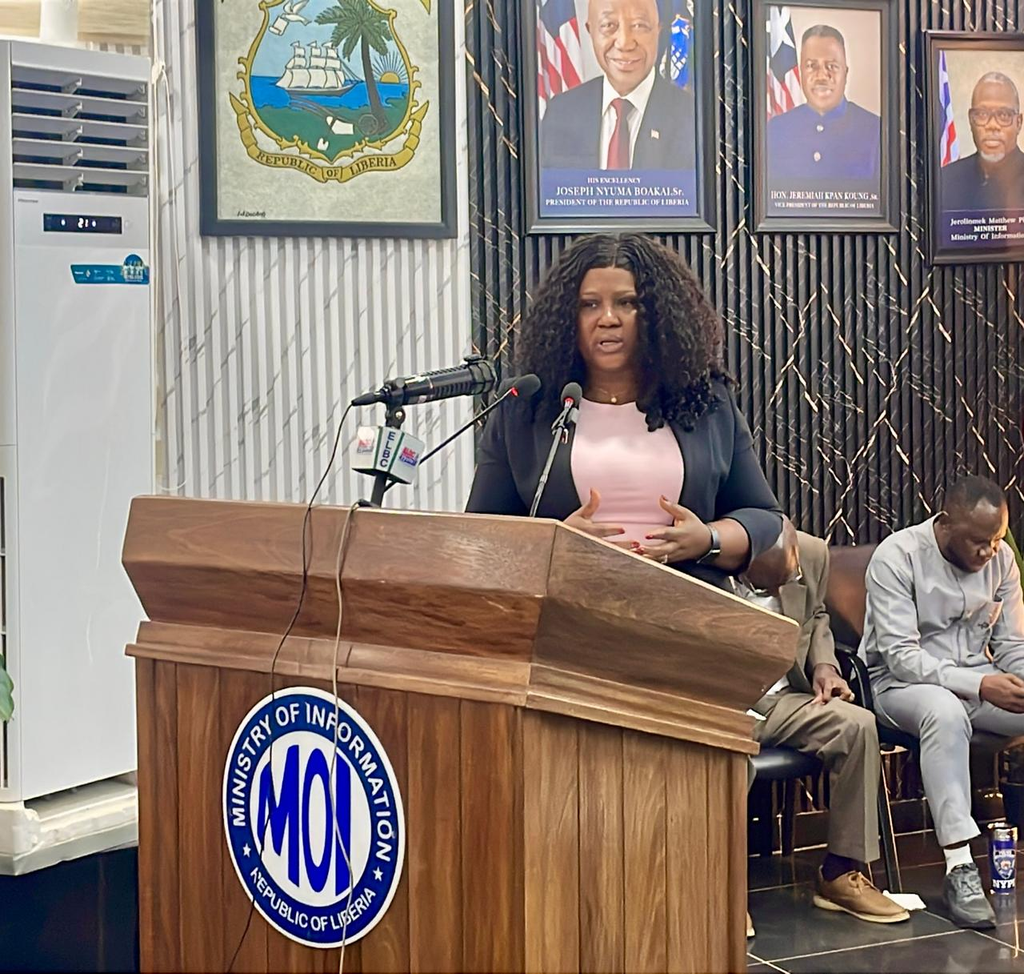
“These projects support the government’s commitment under the ARREST Agenda to its 2029 vision of developing a robust intellectual property ecosystem, as they expand access to intellectual property protection services for businesses and creators while equipping them with the knowledge and practical guidance needed to understand, protect, and effectively manage their intellectual property assets,” Hon. Koboi noted.
Meanwhile, Hon. Koboi has noted that one of the greatest achievements for the office this year has been the successful completion of the national stakeholder validation of Liberia’s National Intellectual Property Policy and Strategy (NIPPS), describing the exercise as an important step toward establishing a coordinated framework for intellectual property development.
The document is intended to strengthen coordination among public institutions and other stakeholders while positioning intellectual property as a tool for innovation, enterprise development, creativity and economic diversification.
The completion of the validation exercise represents a key milestone in Liberia’s efforts to establish a more structured national approach to intellectual property development, although further steps will be required before the framework becomes fully operational.
The LIPO Director General has also disclosed that the institution is preparing to digitize its intellectual property registration services through the Intellectual Property Administration System (IPAS), with technical assistance from WIPO. The planned introduction of the system is expected to modernize the administration of intellectual property applications, streamline registration procedures, and improve the efficiency of service delivery.
In a separate development, the LIPO Director General has appealed to the Liberian Senate to give attention to outstanding international instruments submitted by the President for ratification, emphasizing their potential importance to the country’s agriculture, tourism and creative sectors.
Hon. Koboi noted that the ratification of relevant instruments could strengthen Liberia’s ability to benefit from international intellectual property protection frameworks, particularly in areas involving geographical indications and the protection of products associated with specific geographical origins.
“We also want to appeal to the Senate to look at all outstanding instruments submitted by the President for ratification,” Hon. Koboi noted. “These instruments are very cardinal to our agriculture sector, for example, looking at our potential geographical indications, including our Liberian coffee, the tourism sector, our local government and the creative industries.”
Geographical indications are intellectual property protections used to identify products whose qualities, reputation or other characteristics are linked to a particular geographical origin.
Support Independent Journalism
Your support helps FrontPage Africa continue delivering independent, credible, and impactful journalism. Every contribution strengthens our ability to investigate, inform, and hold power accountable while keeping quality journalism accessible to our readers.
Support our journalism or subscribe to receive the latest FrontPage Africa stories and updates.