Monrovia – The last time a major oil company drilled off Liberia’s coast, much of the money never touched Liberian soil.
By Rodney D. Sieh
When ExxonMobil drilled the Mesurado-1 well in late 2016, its operations were based out of Abidjan, in neighbouring Côte d’Ivoire. Supply boats, logistics, waste handling and technical support were all organized from across the border. In the end, the well came up dry and was plugged and abandoned, and Liberia was left with neither oil nor much to show from the drilling itself.
The National Oil Company of Liberia (NOCAL) now says it does not intend to let that happen again.
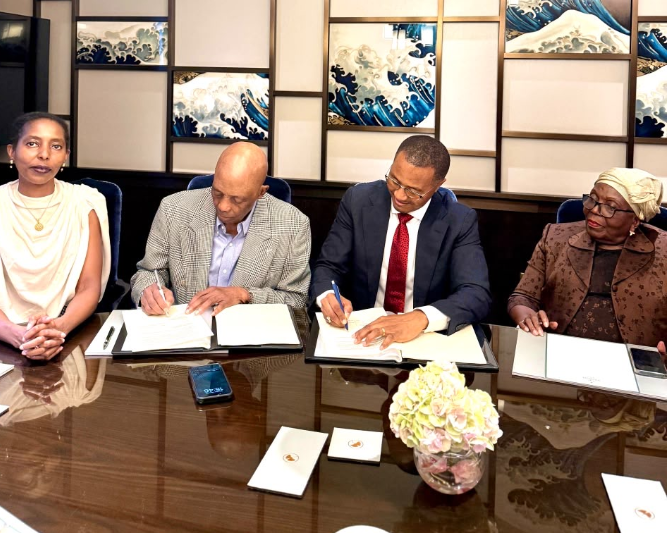
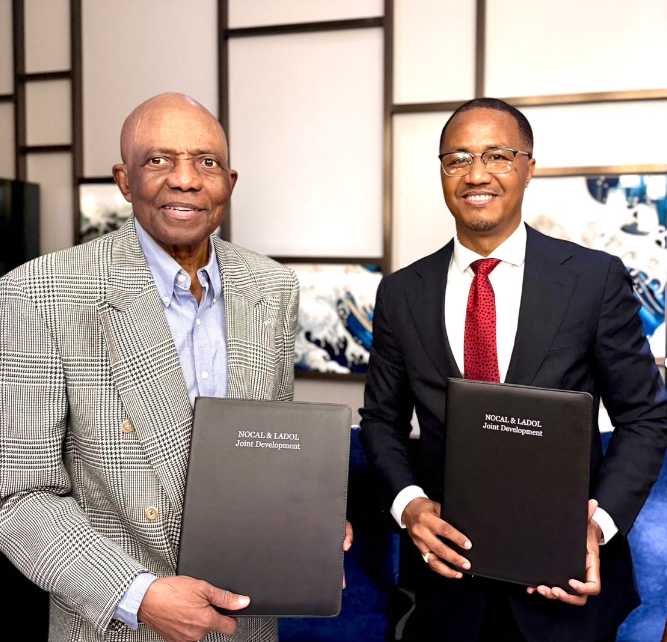
On Friday in London, NOCAL signed a Joint Development Agreement (JDA) with the Lagos Deep Offshore Logistics Base (LADOL), a Nigerian company that runs one of Africa’s largest oil and gas shorebases in Lagos. Under the deal, the two will work toward building and operating a logistics base in Buchanan, Grand Bassa County, to serve oil companies drilling offshore.
“We are determined to correct that narrative as we prepare for our next set of drilling programs,” NOCAL President and CEO Fabian M. Lai said. “Our goal is to ensure that the jobs, the contracts, the training, and the ancillary services that support our petroleum operations are performed by Liberian companies and create opportunities for Liberian citizens right here in Liberia.”
What the deal covers
LADOL will serve as technical lead partner, funding and conducting the feasibility study, coordinating engineering design, and partnering with NOCAL to build and run the facility. NOCAL says the study should begin within the next 45 days and run for six months.
It will look at land, waterfront and marine access, utilities, commercial viability, geotechnical and topographical surveys, and the early scoping of an Environmental and Social Impact Assessment.
The agreement also sets up a Joint Steering Committee to oversee progress and commits both sides to negotiating final project agreements. The two companies have also signed confidentiality and non-circumvention clauses.
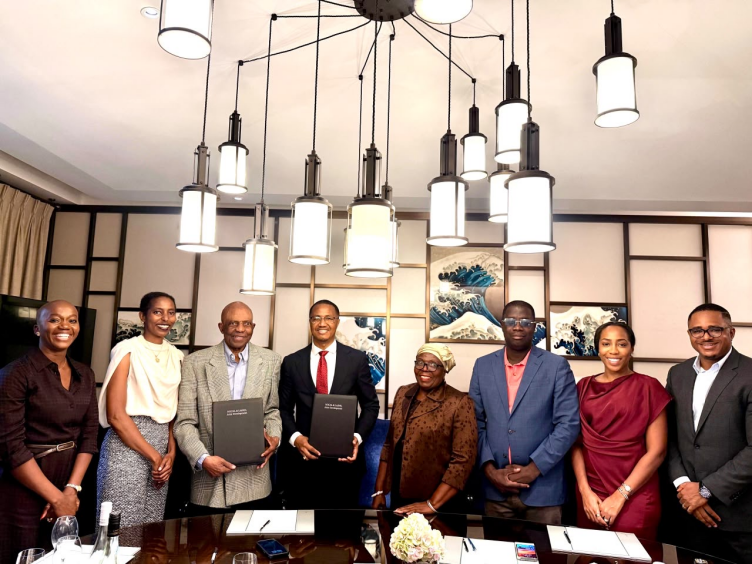
LADOL Executive Chairman Sir Oladipo Ladi Jadesimi said the company sees itself as more than a financier. “We are not just investors; we are partners in building a sustainable future for Liberia’s oil and gas industry,” he said, adding that the shorebase could help ensure “Liberian businesses and workers are the primary beneficiaries of the country’s natural resources.”
Why now
The timing follows a burst of activity in Liberia’s offshore sector after years of quiet. In September 2025, the Liberia Petroleum Regulatory Authority signed four Production Sharing Contracts with Atlas/Oranto Petroleum for offshore blocks LB-15, LB-16, LB-22 and LB-24, an agreement that followed a recent deal with TotalEnergies.
More blocks are in play. Last month, Australia’s Bounty Oil & Gas agreed to acquire the company holding exclusive rights to the LB-32 offshore block, a right that stems from a letter of commitment issued by NOCAL in October 2025. That contract still has to be negotiated and go before Parliament for approval.
If any of these companies move to drilling, they will need a base on land. NOCAL is betting that if Buchanan is ready, they won’t need to look to Abidjan.
A long wait for oil
Liberia has been chasing an oil discovery for more than a decade. Before Mesurado-1, other companies had drilled off the coast, and Exxon’s well was seen at the time as the latest blow to Liberia’s hopes of emulating the exploration success of Ghana and Senegal. Exxon later pulled out of Block LB-13.
For residents of Buchanan, a port city that has watched iron ore and other resources pass through for decades, the question will be whether this project delivers real jobs for local people or becomes another promise on paper. The feasibility study, due in roughly seven months, will be the first real test.
Support Independent Journalism
Your support helps FrontPage Africa continue delivering independent, credible, and impactful journalism. Every contribution strengthens our ability to investigate, inform, and hold power accountable while keeping quality journalism accessible to our readers.
Support our journalism or subscribe to receive the latest FrontPage Africa stories and updates.