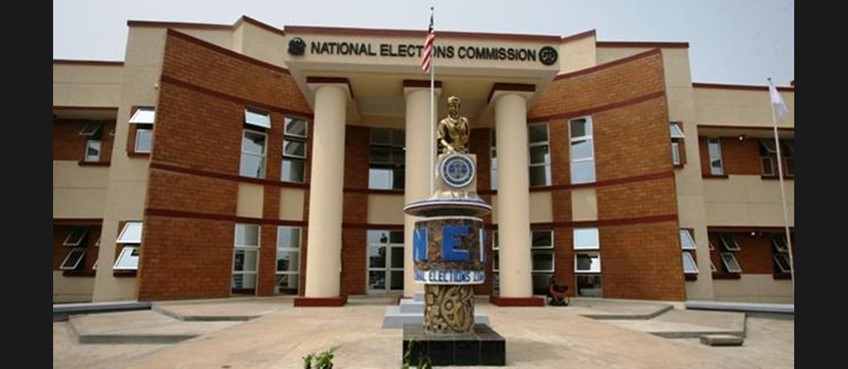
MONROVIA – The National Elections Commission (NEC) has submitted a budget of over US$2.5 million for the upcoming April 22, 2025, Nimba County Senatorial By-election, raising concerns over its realism and transparency. Multiple sources within and outside the NEC have described the budget as excessive and unjustified, particularly when compared to the US$1.7 million spent on the 2024 senatorial by-election in the same county.
By Alaskai Moore Johnson, Contributing Writer
The upcoming by-election is necessitated by the death of Senator Prince Yormie Johnson on November 28, 2024. Following his burial on January 17, 2025, the Liberian Senate officially notified the NEC of the vacancy.
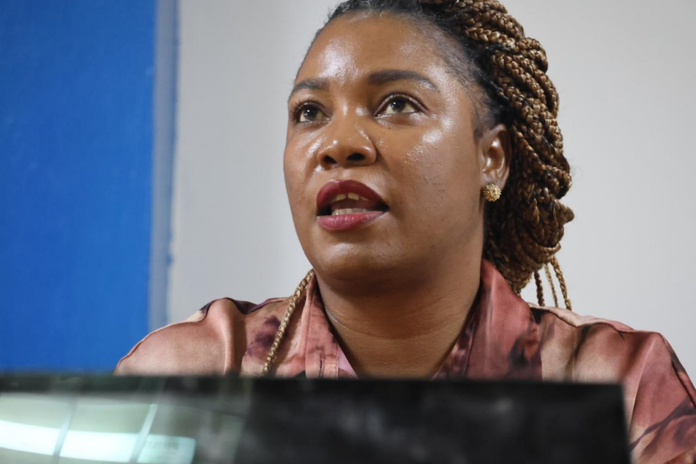
On Monday, February 10, 2025, NEC Co-Chairperson Counselor P. Teplah Reeves reaffirmed that the commission is constitutionally required, under Article 37 of the Liberian Constitution, to conduct the election within 90 days, setting the date for April 22. While she and other commissioners announced the writ of election and other details, they did not disclose the budget during the press conference.
Budget Raises Eyebrows
Reports indicate that the US$2.5 million budget submitted to the Ministry of Finance and Development Planning (MFDP) and the Legislature represents a nearly 50% increase from the US$1.7 million budget used in 2024, creating an excess of over US$800,000. This unexpected surge is likely to face pushback from Finance Minister Augustine Kpehe Ngafuan and President Joseph Nyuma Boakai, who have been urging fiscal discipline across government institutions.
An NEC insider disclosed that the budget formulation process was led by Co-chairperson Reeves, along with Commissioners Floyd Sayor and Barsee Kpangbai. However, conflicting statements from other commissioners raise concerns about who exactly was involved. Commissioners Boakai A. Dukuly and Barsee L. Kpangbai denied playing any role in drafting the budget, with Dukuly emphasizing that budget preparation is handled by technical staff, not commissioners. Kpangbai, who also chairs the By-election Steering Committee, directed inquiries to the NEC’s Chief Financial Officer (CFO), who has yet to respond to calls or messages.
In a conversation with this reporter on Tuesday, February 11, 2025, Acting Chairperson Reeves insisted that all NEC decisions are based on Board Resolutions. However, this raises the question: If the budget was properly reviewed and approved, why are some commissioners distancing themselves from it?
Experts Question NEC’s Methodology
A financial expert consulted for this report emphasized that election budgets should be based on previous spending trends, particularly in cases where a similar election was recently conducted. Analyzing past expenditures allows for a more accurate and reasonable allocation of resources.
According to the expert, if the NEC had properly evaluated the 2024 by-election costs, the 2025 budget should be even lower than US$1.7 million, given that infrastructure and logistical systems remain largely the same. The sharp increase, without clear justification, suggests poor financial planning or a deliberate inflation of costs.
Calls for Transparency Grow
The lack of public disclosure regarding the budget further undermines trust in the NEC’s financial management. Typically, when announcing an election timeline, the NEC also releases budget details to the media, electoral stakeholders, and the public. However, this was not done during the February 10 press briefing.
Some NEC staff, speaking anonymously, expressed dissatisfaction with how the budget was handled. They believe that the final figure should have been disclosed internally and to the public, as was done in previous elections.
The MFDP and the Legislature are expected to scrutinize the budget before approving funding. This review process could reveal the rationale behind the 50% budget hike and determine whether the additional US$800,000 is justifiable or simply wasteful spending.
Government’s Fiscal Constraints
The NEC’s budget request comes at a time when the Liberian government is urging spending entities to streamline their expenditures, particularly in light of the USAID’s gradual drawdown of electoral support. Additionally, international partners rarely fund by-elections, leaving the entire financial burden on the Liberian government.
One international development partner, speaking to this reporter on condition of anonymity, expressed frustration over Liberia’s costly electoral processes. “Some politicians are simply greedy. They are sitting lawmakers but still run in by-elections, creating unnecessary expenses for the country. Who should pay for such wasteful elections?” the source remarked.
With public scrutiny mounting, the NEC must justify its increased budget request with detailed, transparent financial breakdowns. Liberians deserve accountability in electoral spending, especially when funds come from taxpayers and a cash-strapped national budget.
As the MFDP and Legislature review the proposal, the key question remains: Is this budget truly necessary, or is it an attempt to inflate costs at the expense of the Liberian people?
Support Independent Journalism
Your support helps FrontPage Africa continue delivering independent, credible, and impactful journalism. Every contribution strengthens our ability to investigate, inform, and hold power accountable while keeping quality journalism accessible to our readers.
Support our journalism or subscribe to receive the latest FrontPage Africa stories and updates.