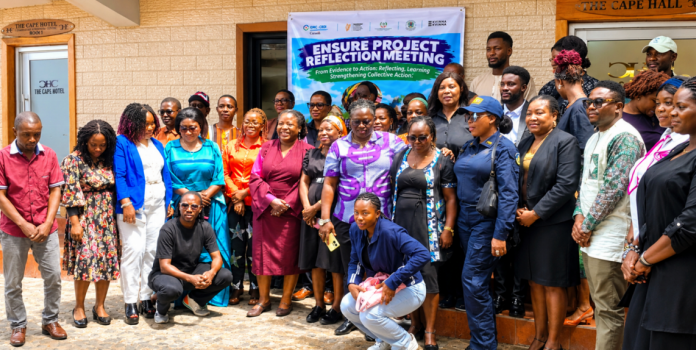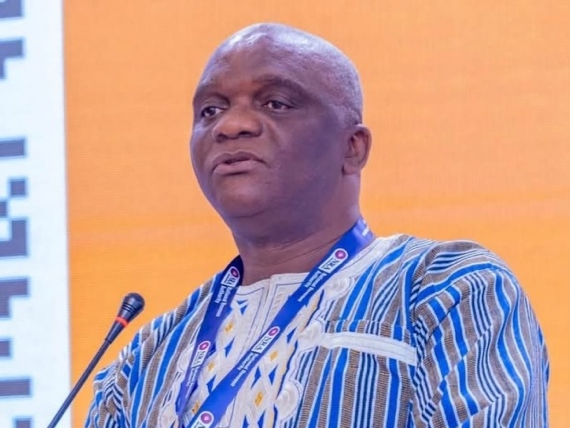
FARMINGTON, Margibi County – The Commissioner General of the Liberia Revenue Authority (LRA), James Dorbor Jallah, has called on talk show hosts and editors across the country to become “partners in national transformation” by promoting accurate and responsible reporting on taxation and public finance issues.
By: Gerald C. Koinyeneh
Speaking Saturday at a two-day training workshop for talk show hosts and editors held at the Farmington Hotel in Margibi County over the weekend, Commissioner General Jallah underscored the crucial role of the media in shaping public understanding and trust in Liberia’s ongoing tax reforms.
“Revenue collection is the lifeblood of government—funding schools, hospitals, roads, and the many services that citizens rely upon,” Jallah said. “But this mission cannot succeed without the trust and understanding of the Liberian people. That is where your role as media practitioners is indispensable.”
He described the media as the “bridge between the LRA and the public,” adding that accurate, balanced reporting on tax issues empowers citizens to comply voluntarily, fosters patriotism, and transforms tax payment from a burden into a contribution to national development.
Bold Reforms Ahead
Commissioner Jallah outlined a series of ambitious reforms the LRA is currently pursuing as part of its modernization agenda. These include transition from the Goods and Services Tax (GST) to a Value Added Tax (VAT) by 2027, Comprehensive Real Property Tax reform using digital mapping in collaboration with local governments, expansion of the Excise Tax regime and measures to bring the informal sector into the tax net.
He also named the digital transformation of tax administration, including the rollout of the Liberia Integrated Tax Administration System (LITAS), ASYCUDA, Electronic Fiscal Devices, mobile money payments, and real-time digital payment visibility in sectors such as telecommunications, gaming, and gambling.
“These reforms are ambitious, but they are also necessary,” Jallah said. “They will only succeed if Liberians understand them—and, more importantly, if they believe in them.”
Media as Partners in Reform
He emphasized that the LRA views the media as a vital partner in promoting transparency and compliance. “When you report accurately on tax and revenue, you don’t just inform—you help build transparency, trust, and national ownership,” he said. “And when compliance improves, government can do more: more schools, better roads, stronger health services, and timely salaries for public servants.”
The Commissioner General announced that the LRA plans to extend similar trainings to journalists across the country as part of a broader strategy to strengthen media understanding of tax policies and procedures.
Fighting Misinformation
Jallah also cautioned against the dangers of misinformation and disinformation, noting that in today’s fast-paced media environment, the press must serve as “guardians of truth.”
“In an era where misinformation, disinformation, and negative propaganda can spread quickly, the media becomes not just a messenger, but a guardian of truth,” he stated. “Together, we can counter falsehoods with facts, suspicion with clarity, and mistrust with transparency.”
Commitment to Openness
He pledged the LRA’s commitment to greater openness and engagement with the media, promising to make tax administration clearer and more accessible. “This workshop is about partnership,” Jallah said. “The LRA commits to opening its doors wider, sharing accurate information, and working with you to promote awareness, fairness, and compliance.”
Concluding his remarks, Commissioner Jallah called on participants to unite around a shared vision of a “Liberia where tax education is widespread, where citizens embrace their duty to pay taxes voluntarily, and where revenue mobilization becomes a proud national endeavor.”
‘Let’s Tell Liberia’s Tax Story Better’
Also speaking, LRA Manager for Communications, Media, and Public Affairs, Danicius Kaihenneh Sengbeh, urged journalists, editors, and talk show hosts to use their platforms to promote truth, accuracy, and accountability in reporting on tax and revenue matters, describing the media as a vital partner in building a better Liberia.
In his closing statement Sengbeh praised participants for their active engagement and commitment, noting that the workshop marked “the beginning of a stronger partnership” between the LRA and the Liberian media.
“I am deeply gratified by the level of engagement, dialogue, and learning that has taken place in this room,” Sengbeh said. “Together, we have journeyed through critical topics—introducing the LRA to the media, demystifying domestic tax and customs, exploring our digital transformation, and discussing how the media can effectively and responsibly report on the LRA.”
LRA–Media Partnership for a Better Liberia
Sengbeh emphasized that the LRA and the media are “not on separate paths, but on a single road leading toward a better Liberia.” He reminded journalists that they are “the trusted voices” who interpret and frame issues of taxation and revenue administration in ways that empower citizens, strengthen compliance, and inspire national development.

He noted that while the two-day workshop was productive, it represents only the start of a broader engagement aimed at building media capacity on tax matters nationwide.
“The LRA remains committed to expanding this partnership, to continuous training, and to building a network of tax ambassadors across the country,” Sengbeh said. “As you return to your studios and newsrooms, use the knowledge gained here to inform, clarify, and challenge where necessary—always with the goal of truth, accuracy, and service to Liberia.”
Accountability, Not Praise-Singing
Sengbeh clarified that the LRA’s partnership with the media is not about seeking praise but about promoting mutual respect, transparency, and accountability.
“This partnership is not about praise-singing for the LRA,” he stressed. “The media plays a watchdog role, and we welcome that. But as you continue to hold us accountable, we also count on you to ensure that information about taxation, customs, and our operations is accurate, contextual, and constructive—because misinformation helps no one, and truth benefits all.”
Building a Network of Tax Ambassadors
He described the workshop as both “inspiring and motivating,” highlighting how discussions, laughter, and shared experiences during the sessions strengthened the bond between the LRA and the media community.
“This gathering shows what can be achieved when dialogue and partnership take center stage,” he said. “Let us leave here not just as journalists and tax administrators, but as partners in nation-building. Together, we can and will tell Liberia’s tax story better.”
The Vice President of the Press Union of Liberia, Beatrice Sieh, thanked the LRA for organizing the training workshop and urged the institution to continue engaging not only the media but also other stakeholders and civil society organizations.
The two-day training, organized by the Liberia Revenue Authority, brought together talk show hosts, editors, and media professionals to enhance their understanding of tax systems, customs operations, and the LRA’s ongoing digital transformation. The event featured presentations from senior LRA officials, including Commissioner General James Dorbor Jallah, who earlier called the media “a bridge between the LRA and the public.”
Support Independent Journalism
Your support helps FrontPage Africa continue delivering independent, credible, and impactful journalism. Every contribution strengthens our ability to investigate, inform, and hold power accountable while keeping quality journalism accessible to our readers.
Support our journalism or subscribe to receive the latest FrontPage Africa stories and updates.