Monrovia – A renewed legislative effort to formally eradicate Female Genital Mutilation, widely known as FGM, has generated intense debate within the House of Representatives, as several lawmakers voice caution about endorsing a measure that many traditional communities still regard as culturally sensitive.
By Emmanuel Weedee-Conway
The debate dominated plenary proceedings on Thursday during the 10th day sitting of the first quarter of the third session of the 55th Legislature. Lawmakers convened following extensive consultations conducted across five counties, where traditional leaders, rural women’s groups, and civil society organizations weighed in on the proposed draft legislation seeking to outlaw the practice.
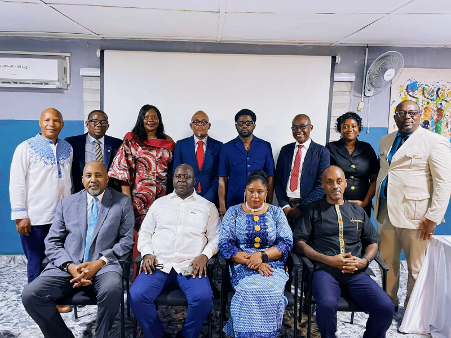
The public hearing, described by organizers as well attended and highly participatory, attracted both national and international partners. It was spearheaded by the House of Representatives Joint Committee on Gender, Education and Public Administration, Internal Affairs, and Judiciary.
Representatives from the European Union, UN Women, several civil society organizations, and the Ministry of Gender, Children and Social Protection were present to review and validate findings gathered during the community consultations.
According to reports presented during the session, the consultations revealed broad support among participants for the passage of the draft bill aimed at protecting women and girls.
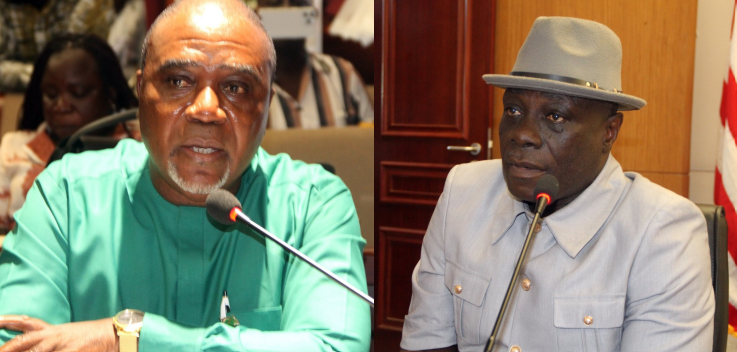
Despite the reported support, some lawmakers remain hesitant. Representatives Steve Tequah of River County District 2, Momo Siafa Kpoto of Lofa County District 2, and Augustine Chiewolo of Lofa County District 5 described the bill as a sensitive matter that requires broader nationwide engagement before any final legislative action is taken.
For these lawmakers, the issue extends beyond the framework of a standard public health or human rights bill. They argue that discussions surrounding the elimination of FGM carry profound traditional and political implications, particularly for legislators representing predominantly indigenous communities where the practice has long-standing cultural roots.
Representative Augustine Chiewolo emphasized the importance of public education and gradual engagement. He stated that if something is harmful and should be stopped, the responsibility of lawmakers is first to educate the people.
He added that achieving such a goal would require going the extra mile to ensure that communities fully understand the implications of the proposed reform.
Representative Chiewolo and others anchored their position in Article 1 of the Liberian Constitution, which declares that all power is inherent in the people. According to them, this constitutional provision necessitates broader consultations that extend beyond the five counties already engaged in dialogue.
Representative Steve Tequah echoed similar concerns, noting that for lawmakers from deeply traditional districts, advocating for the abolition of FGM is not a simple political decision.
He explained that addressing community members under a palaver hut and informing them that national consensus demands an end to the cutting of the clitoris is not an action a politician would undertake lightly, given the potential social and political consequences.
The consultations were held under the banner “Born Perfect Grand Finale: From Community Dialogue to National Action.” Organizers reported that the majority of community members consulted described FGM as dangerous and harmful, expressing support for legislative measures to protect women and girls from the practice.
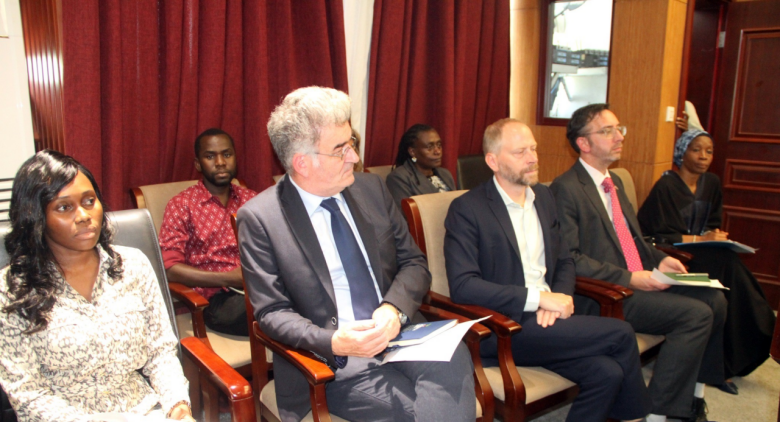
Speaking on behalf of the Joint Legislative Committee on the Women and Girls Protection Bill, the Chairperson, Representative Moima Briggs-Mensah of Bong County District 6, described the proposed Women and Girls Protection Act as a landmark step toward safeguarding the dignity, safety, and rights of women and girls across Liberia.
Representative Briggs-Mensah stressed that effective implementation of the proposed law must be guided by responsible and respectful messaging. She underscored the need to frame the reform around protection, health, human dignity, and opportunity rather than blame or condemnation of cultural practices.
She also emphasized the importance of cultural sensitivity, acknowledging longstanding traditions while constructively engaging cultural institutions, including the Sande society, as partners in promoting health, safety, and empowerment.
According to her, successful implementation would require inclusive grassroots consultations to ensure communities are meaningfully involved in shaping reforms and that resulting policies reflect lived realities.
She further noted the importance of establishing comprehensive support systems, including education, access to healthcare, alternative empowerment programs, and economic opportunities for women and girls, alongside robust legal protections.
Representative Briggs-Mensah added that strengthening the Women and Girls Protection Act demands a balanced and inclusive approach, one that remains firm in its commitment to safety and human rights while being culturally aware, consultative, and united in purpose.
In response to calls from some lawmakers to expand consultations to all fifteen counties before proceeding with passage of the bill, the House of Representatives reaffirmed its commitment to protecting women and girls. Lawmakers indicated that reforms would continue to be advanced through dialogue, unity, and what they described as progressive national action.
Support Independent Journalism
Your support helps FrontPage Africa continue delivering independent, credible, and impactful journalism. Every contribution strengthens our ability to investigate, inform, and hold power accountable while keeping quality journalism accessible to our readers.
Support our journalism or subscribe to receive the latest FrontPage Africa stories and updates.