MONROVIA — With Liberia’s long-promised transitional justice agenda still awaiting decisive legislative action, advocate Mme. Marpu Dhaliwal is calling on President Joseph Nyuma Boakai Sr. to take the unusual step of convening an extraordinary session of the National Legislature to force renewed consideration of the pending bills establishing the War and Economic Crimes Court and the Anti-Corruption Court.
By Patience M. Jones
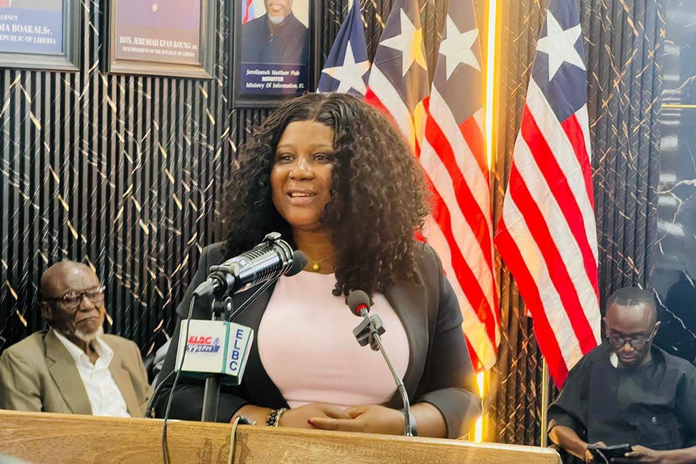
Dhaliwal, a strong advocate for transitional justice, says Liberia cannot continue to speak about healing, reconciliation, peace, and accountability while legislation intended to address the country’s troubled past remains pending before lawmakers.
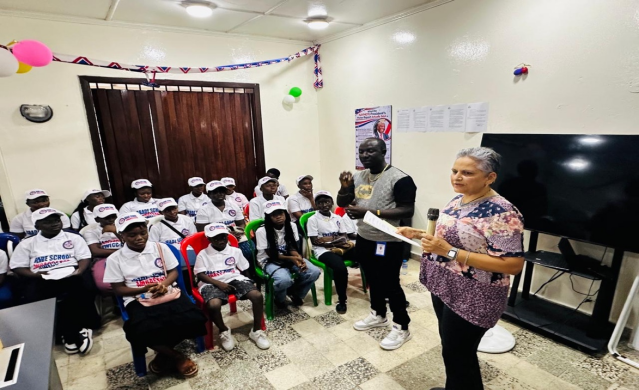
She made the call on Saturday, September 5, while delivering the keynote address at the closing ceremony of the second edition of the Grade School Ambassadorial Program, organized by the Office for the Establishment of the War and Economic Crimes Court for Liberia (OWECC-L).
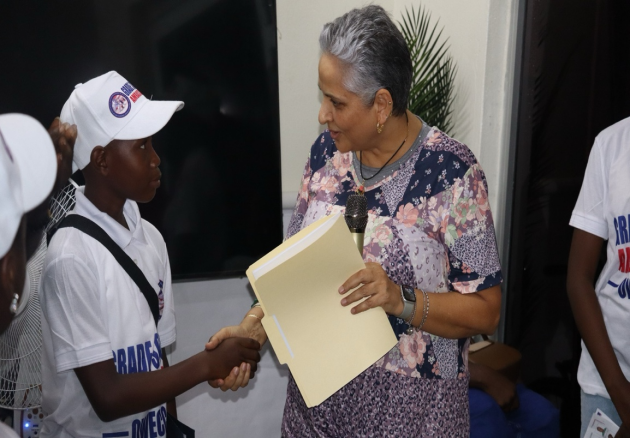
Her appeal comes as pressure mounts on the government and Legislature to translate Liberia’s repeated commitments to transitional justice into concrete legal and institutional action.
‘We Cannot Speak About Sustainable Peace Without Justice’
Dhaliwal argued that the pending bills deserve urgent attention because their passage could provide an important avenue for addressing the longstanding pain and suffering caused by Liberia’s past conflicts.
For her, the issue is not simply about creating new courts. It is about confronting unresolved grievances, strengthening accountability, and giving victims and affected communities a greater sense that justice remains possible.
“We cannot speak about sustainable peace without justice, and we cannot strengthen the rule of law while leaving accountability unfinished,” Dhaliwal said.
She urged lawmakers to recognize the broader national significance of the bills, describing their advancement as part of Liberia’s continuing efforts toward healing, reconciliation, accountability and democratic consolidation.
Dhaliwal also commended President Boakai for his support for the transitional justice process but challenged him to provide stronger leadership at a time when the process requires concrete action.
She called on the President to convene an extraordinary legislative session specifically to ensure that the pending legislation receives the attention she believes it urgently requires.
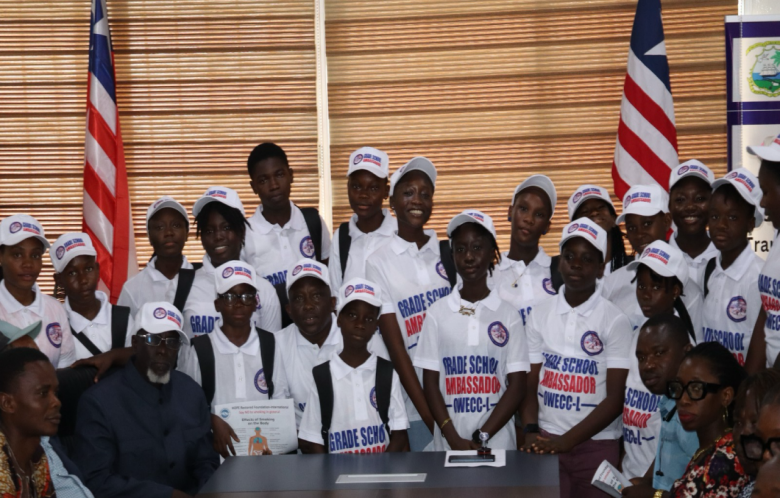
Liberia’s International Role Under Scrutiny
Dhaliwal further pointed to Liberia’s growing responsibilities on the international stage, including its role on the United Nations Security Council, arguing that international commitments must be accompanied by meaningful progress at home.
She said Liberia has made significant commitments to justice, accountability, the rule of law, and the Women, Peace and Security Agenda, but warned that commitments alone are insufficient.
The pending legislation, she maintained, presents an opportunity for Liberia to demonstrate that its international advocacy is matched by action within its own borders.
She therefore appealed to members of the National Legislature to prioritize the bills and recognize the role they could play in strengthening Liberia’s democratic institutions and advancing national reconciliation.
OWECC-L: Time Is Running Out
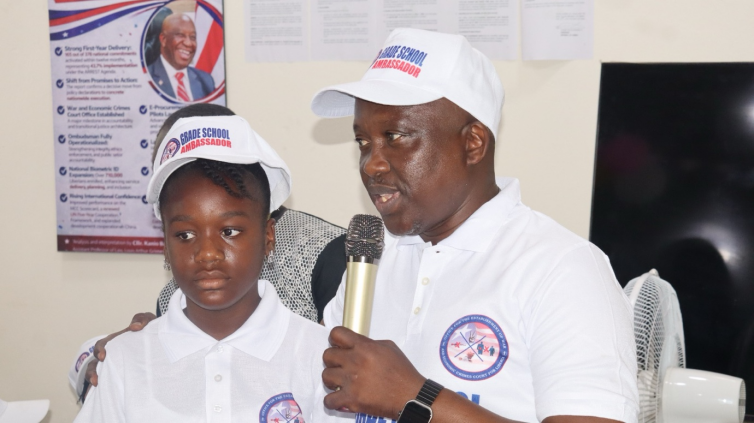
OWECC-L Executive Director Dr. Cllr. Jallah A. Barbu reinforced the call, urging President Boakai to intervene and ensure passage of the two bills before the beginning of the United Nations General Assembly (UNGA).
Dr. Barbu argued that enactment of the legislation would give Liberia a tangible achievement to present to the international community during the global gathering.
He also raised concerns about the narrowing political window ahead, warning that increasing political activities beginning in 2027 could further complicate efforts to move the legislation forward.
The OWECC-L boss nevertheless assured that his institution remains committed to fulfilling its mandate and advancing Liberia’s transitional justice and accountability process.
Young Ambassadors Challenged to Lead
The call for legislative action was delivered at an event centered on preparing Liberia’s young people to become responsible citizens and future leaders.
Dr. Barbu commended Miss Charlelyn Mulbah, the program’s lead organizer, for providing two months of intensive training to the young ambassadors.
He challenged the graduates not to allow the knowledge gained during the program to end with the ceremony.
“We challenge you to take what you have learned beyond this program and use it to make a meaningful difference in your communities and in Liberia.”
“You are young ambassadors, and your actions should reflect the values of accountability, responsibility, leadership, and service to country,” Dr. Barbu added.
The message places young people at the center of Liberia’s broader accountability conversation, particularly as the country grapples with how to address the consequences of its past while building institutions capable of preventing future abuses.
UNICEF Backs Youth Engagement
Also speaking at the ceremony, UNICEF Deputy Representative Amadou Cisse commended OWECC-L for recognizing the potential role of young people in Liberia’s transitional justice process.
Cisse pledged UNICEF’s continued support to the Ambassadorial and Grade School programs, stressing that empowering young people is critical to promoting responsible citizenship and building a peaceful and accountable society.
A Test of Political Will
The renewed calls from Dhaliwal and OWECC-L put the pending court bills squarely before the political leadership.
For advocates of transitional justice, the debate is no longer only about whether Liberia needs institutions to address war crimes, economic crimes, and corruption. It is increasingly about whether there is sufficient political will to establish them.
Dhaliwal’s call for an extraordinary legislative session now places the responsibility directly on President Boakai and lawmakers.
Her message is uncompromising: Liberia cannot claim to be advancing peace and the rule of law while leaving its accountability agenda unfinished.
And as political activity is expected to intensify ahead of 2027, advocates fear that another delay could push the issue further down the national agenda – leaving victims, survivors, and communities still waiting for the justice and accountability they have demanded for decades.
Support Independent Journalism
Your support helps FrontPage Africa continue delivering independent, credible, and impactful journalism. Every contribution strengthens our ability to investigate, inform, and hold power accountable while keeping quality journalism accessible to our readers.
Support our journalism or subscribe to receive the latest FrontPage Africa stories and updates.