Monrovia — Civil society organizations and the Law Reform Commission of Liberia have called for comprehensive reforms of the country’s mining laws, warning that outdated legislation, weak enforcement and limited community participation could prevent Liberians from fully benefiting from the nation’s mineral wealth.
By Francis G. Boayue
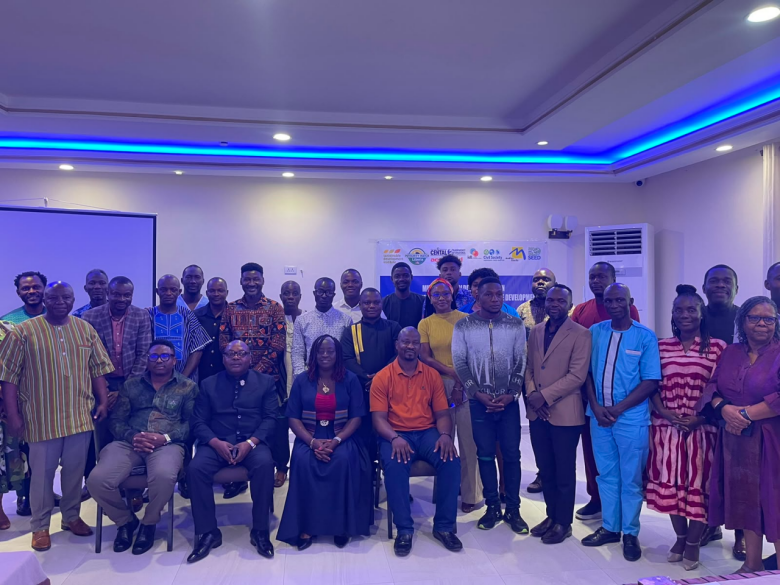
The call was made Wednesday, October 21, during a multi-stakeholder dialogue on minerals, mining, and inclusive sustainable development organized by the Civil Society Consortium on Minerals, Mining and Inclusive Sustainable Development in Monrovia.
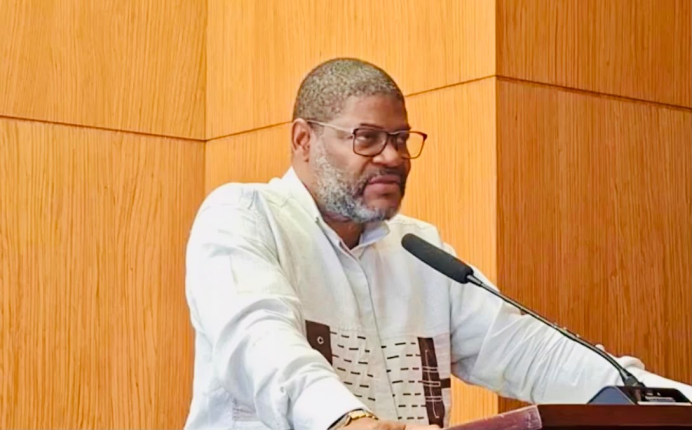
Speaking at the event, Cllr. Bornor M. Varmah, Chairperson and Chief Executive Officer of the Law Reform Commission, said Liberia’s Minerals and Mining Law of 2000 had failed to keep pace with subsequent legislation governing land rights, environmental protection, concessions and extractive industry transparency.
Cllr. Varmah said the existing legal framework contains inconsistencies with other laws, including the Land Rights Act of 2018, while leaving critical areas such as mine safety, explosives management and community grievance mechanisms inadequately addressed.
He disclosed that the commission would lead the technical legal secretariat responsible for a comprehensive review and drafting process for Liberia’s mining laws, with support from the Legislature, relevant government institutions, and the Millennium Challenge Corporation (MCC) Compact.
The commission outlined seven priorities for reform, including legal harmonization, protection of community rights, gender inclusion, transparency, environmental protection, responsible investment, and the formalization of artisanal and small-scale mining.
For his part, Silas Siakor, representing Liberia’s civil society consortium, said the reform initiative seeks to ensure Liberia’s mineral resources generate greater benefits for citizens.
Siakor noted that several important natural resource laws were enacted after the 2000 mining law, creating inconsistencies that require urgent attention.
He said mining remains a significant source of government revenue and employment, stressing that the objective is to improve governance so the sector can fulfill its development potential.
Meanwhile, Environmental Protection Agency Deputy Executive Director for Technical Services, Dweh S. Boley, welcomed the reform initiative but cautioned that stronger legislation must be matched by adequate technical capacity.
Boley emphasized the need for stakeholder cooperation to balance economic development with environmental protection, warning that Liberia’s environment faces serious challenges.
The dialogue comes as Liberia anticipates increased mineral production, particularly iron ore and gold, heightening calls for transparent and inclusive management of natural resources.
Support Independent Journalism
Your support helps FrontPage Africa continue delivering independent, credible, and impactful journalism. Every contribution strengthens our ability to investigate, inform, and hold power accountable while keeping quality journalism accessible to our readers.
Support our journalism or subscribe to receive the latest FrontPage Africa stories and updates.