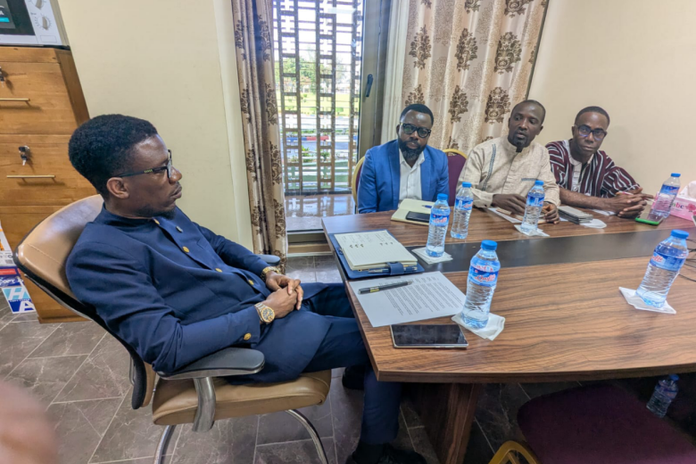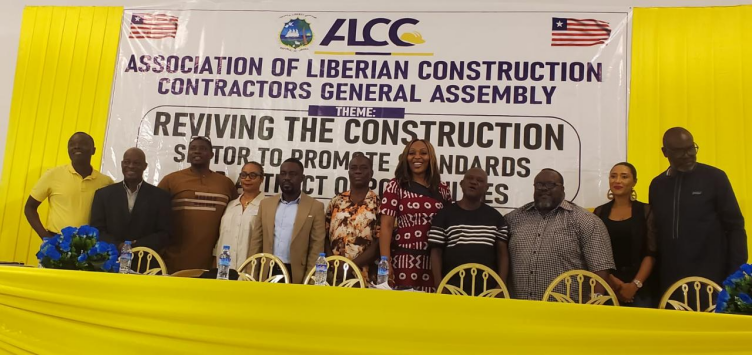
Paynesville– The Association of Liberian Construction Contractors (ALCC) has announced a series of reforms and new initiatives aimed at strengthening Liberia’s construction sector, while the Public Procurement and Concessions Commission (PPCC) has pledged continued support to improve opportunities for Liberian-owned construction companies.
Speaking at the ALCC General Assembly on Saturday, July 18, 2026, in Paynesville, ALCC President Mrs. Kimberly Toure outlined achievements made by the Association over the past year, including improvements in technology, contractor training, advocacy, and decentralization.
Mrs. Toure said the Association has reactivated its five standing committees, upgraded its internet services, restored its membership database, and introduced a QR code verification system that allows clients to confirm the authenticity of contractors’ membership certificates.
She also highlighted efforts to strengthen the participation of women in the construction industry, expand services to county members, and improve cooperation between Liberian and foreign contractors.
On advocacy, Mrs. Toure disclosed that ALCC signed a Memorandum of Understanding with the Ministry of Public Works to conduct joint inspections of construction projects and help enforce the Small Business Act, which reserves a percentage of public contracts for Liberian-owned and women-owned businesses.
She said the Association has also engaged the PPCC over concerns about contractor certification fees and has appealed to House Speaker Richard Koon for support to establish an equipment pool and secure government funding to strengthen local contractors and support the Gbarnga Vocational Training Center (GVTC).
Mrs. Toure announced that ALCC is searching for a permanent headquarters in Monrovia, plans to establish a professional Secretariat headed by an Executive Director, and is preparing for constitutional elections scheduled for December 2026.
Delivering the keynote address, PPCC Executive Director Hon. Bodger Scott Johnson described Liberia’s construction industry as a critical driver of economic growth, saying roads, schools, hospitals, bridges, and other public infrastructure represent investments in the country’s future.
He said the PPCC views the construction sector as a strategic partner in national development and remains committed to building a procurement system that is transparent, competitive, efficient, and accountable.
Johnson highlighted the government’s Electronic Government Procurement (e-GP) System as one of the country’s biggest procurement reforms. According to him, the online platform allows contractors to access government bidding opportunities, obtain bidding documents, submit bids electronically, and monitor procurement processes from advertisement through contract awards.
He explained that the system also works with institutions such as the Liberia Revenue Authority (LRA) and NASSCORP to verify contractors’ compliance documents, reduce fraud, and improve the credibility of Liberia’s public procurement process.
Addressing concerns raised by ALCC, Johnson acknowledged that local contractors face challenges, including certification fees and limited opportunities to compete for public contracts.
He assured members that the PPCC has taken those concerns seriously and is implementing reforms aimed at increasing local participation in government procurement, strengthening domestic preference policies, and expanding subcontracting opportunities for Liberian contractors, including women-owned businesses.
“Our objective extends beyond contract awards,” Johnson said. “We seek to develop capable, competitive, and credible Liberian construction companies that can successfully execute projects of national importance.”
He also reminded contractors that government reforms alone are not enough, stressing that contractors must demonstrate professionalism, transparency, ethical conduct, and quality workmanship in executing public projects.
Johnson said submitting authentic documents, following procurement rules, completing projects on schedule, and maintaining high construction standards are essential to building public confidence and creating more opportunities for Liberian companies.
He called for stronger collaboration among government institutions, regulators, contractors, and development partners to build a procurement system that delivers value for money while promoting national development.
Johnson praised ALCC for strengthening contractor registration and promoting professional standards, describing those efforts as complementary to the PPCC’s commitment to transparency and accountability.
Concluding her report, Mrs. Toure called on contractors to remain united and work together to strengthen Liberia’s construction industry.
“We are ALCC Contractors. We build a strong Liberia,” she declared.
Support Independent Journalism
Your support helps FrontPage Africa continue delivering independent, credible, and impactful journalism. Every contribution strengthens our ability to investigate, inform, and hold power accountable while keeping quality journalism accessible to our readers.
Support our journalism or subscribe to receive the latest FrontPage Africa stories and updates.