Monrovia — Liberia’s Minister of Gender, Children and Social Protection, Gbeme Horace-Kollie, has challenged young women across West Africa to learn from the experiences and sacrifices of veteran women peacebuilders, stressing that strong networks and collective action are essential to sustaining peace in the region.
By: Patience M. Jones
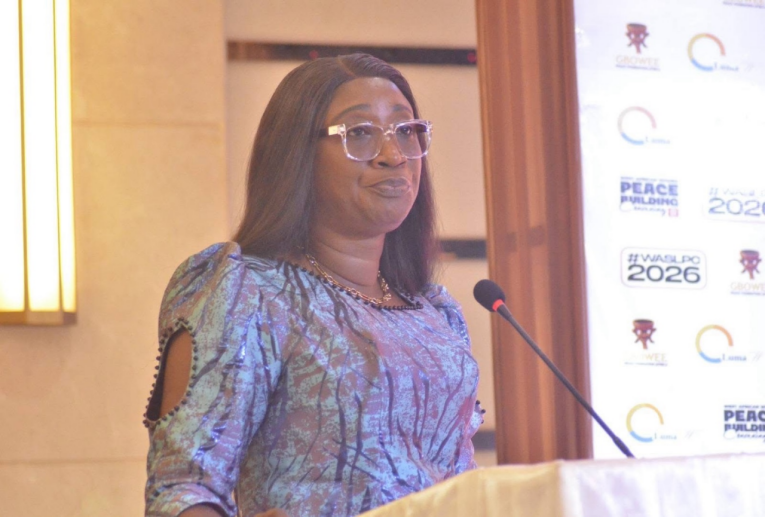
Minister Horace-Kollie made the call Monday while speaking at the West African Women Peacebuilding Convening 2026, held at the Ministerial Complex in Monrovia under the theme, “Honoring the Past, Strengthening the Present, and Co-Designing the Future of Women’s Leadership for Peace.”
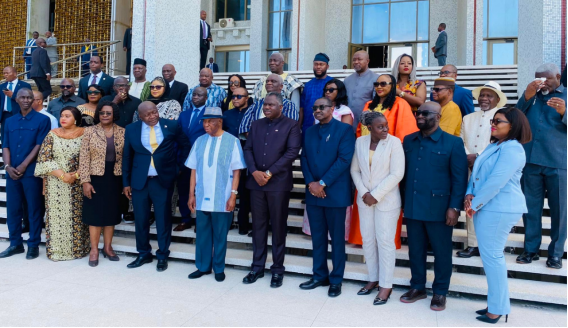
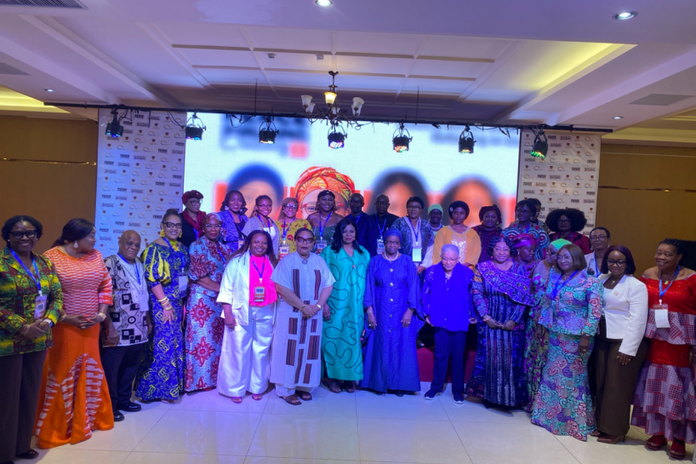
Addressing women leaders, peace advocates, policymakers, and young participants from across the region, the Gender Minister emphasized that the next generation must understand how the women’s peacebuilding movement began, the challenges its pioneers overcame, and the importance of building networks that can sustain their achievements.
She said the gathering provided an important opportunity for young women to listen to the stories of experienced peacebuilders and understand how women who started with limited resources were able to organize, mobilize, and influence peace processes across West Africa.
“The younger generation sitting in this room must listen and hear how it all started, and how networking is very important in the work that we do,” Horace-Kollie emphasized.
According to the Minister, individual courage and isolated efforts are no longer sufficient to address the complex security challenges confronting West Africa, including political instability, violent extremism, and other emerging threats.
She noted that women have historically played critical roles in responding to conflicts, describing them as mediators, healers, organizers, and builders of communities.
“From Monrovia to across our region, history has shown us that when conflict threatens the fabric of our societies, women are the first to step up. We do not meddle in the crisis; we mediate, we heal, we organize, and we also rebuild,” she said.
Horace-Kollie further stressed that women bring a unique perspective to peacebuilding by prioritizing human security, justice, and the protection of future generations, whether at the grassroots level or formal negotiation tables.
However, she warned that without stronger regional collaboration, women’s efforts could become fragmented and less effective in confronting threats that transcend national boundaries.
She described cross-border peacebuilding networks as a strategic necessity, arguing that connecting women community mediators, youth organizers, advocates, and policymakers across different countries would strengthen early-warning systems, information sharing, and collective responses to conflict.
The Minister explained that linking a community mediator in rural Liberia with an advocate in Côte d’Ivoire, or a policy leader in Ghana with a youth organizer in Senegal, would create a stronger regional solidarity mechanism that geographical borders cannot weaken.
She added that such networks would enable women to share intelligence, mobilize resources, amplify their voices, and ensure that no woman peacebuilder is left to confront challenges alone.
Horace-Kollie also welcomed plans to establish the West African Women’s Peace Hub, describing the proposed digital platform as an important mechanism for connecting women peacebuilders and strengthening regional cooperation.
Beyond networking, the Gender Minister called for sustainable partnerships and stronger accountability structures that would extend beyond the conference and translate discussions into concrete action.
She urged participants to move beyond recognizing women as mere participants in peace processes and ensure they become decision-makers and architects of West Africa’s peaceful future.
“Let us forge partnerships that outlast this room, build structures that hold leaders accountable, and ensure that women are not just participants in peace processes, but the architects of West Africa’s peaceful future,” she stated.
The Minister also used the occasion to recognize veteran women peacebuilders, particularly Mama Binta Diop, whose contributions to the advancement of women’s leadership and peacebuilding across the region were acknowledged by several speakers.
She said the sacrifices of women who pioneered the movement must not be overlooked, emphasizing that those who laid the foundation deserve recognition and appreciation for their contributions.
Horace-Kollie further commended the GBOWEE Peace Foundation Africa for organizing the gathering at a time when women’s leadership remains critical to conflict prevention, peacebuilding, and regional development.
The one-day convening brought together veteran peacebuilders, mid-career practitioners, and emerging Generation Z leaders from across West Africa to reflect on more than two decades of women’s contributions to peace and security.
The gathering also focused on strengthening intergenerational solidarity, addressing emerging conflict threats, and developing sustainable regional mechanisms to advance women’s participation in peacebuilding.
The Minister’s message underscored the importance of transferring knowledge from one generation to another, ensuring that the sacrifices of women who fought for peace become a foundation for a stronger, more connected generation of women leaders across West Africa.