National Youth Statement Demands Accountability, Green Financing and a Seat at the Table on NDC 3.0 Implementation
By Patience M. Jones,[email protected]
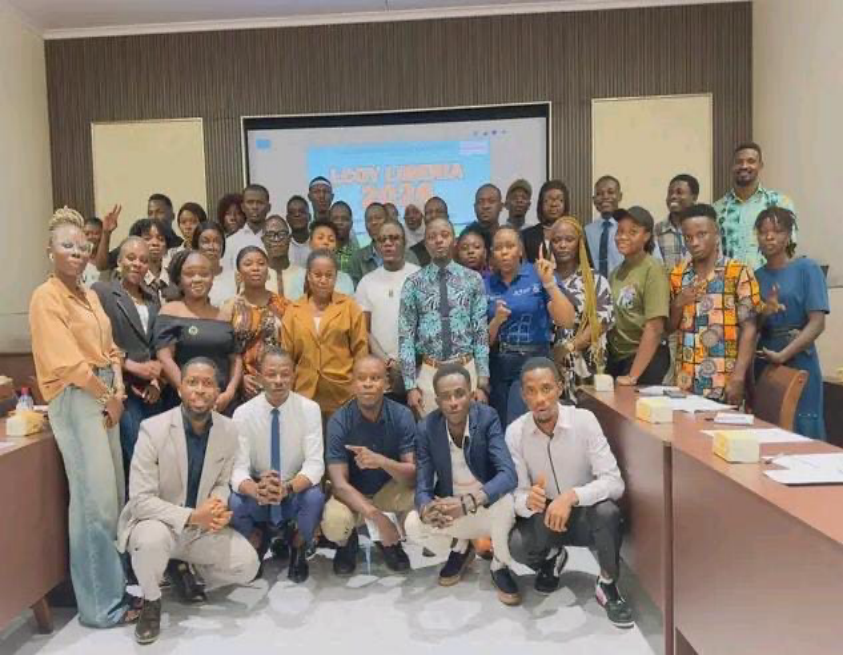
Monrovia, Liberia— The Local Conference of Youth (LCOY) Liberia 2026 concluded on August 28 at the Platinum International Hotel in Congo Town, capping a two-day gathering aimed at moving young climate advocates from the margins of policy discussions to the center of national decision-making.
Held under the theme, “From Promises to Proof: Young Liberians Monitoring, Implementing, and Advancing NDC 3.0,” the officially YOUNGO-endorsed conference brought together government officials, United Nations representatives, civil society leaders and youth delegates from Liberia’s 15 counties.
The gathering culminated in the adoption of a National Youth Statement, which organizers say will be carried to the 21st Conference of Youth (COY21) and the 31st United Nations Climate Change Conference (COP31) in Antalya, Turkey, in November.
Liberia’s updated Nationally Determined Contribution, NDC 3.0, was validated in September 2025 and is regarded as one of Africa’s most youth-inclusive climate frameworks. Organizers attribute many of its inclusive provisions to sustained advocacy by young Liberians, including the 2025 Ganta Declaration, which called for measurable commitments to the participation of children, young people and persons with disabilities in the country’s climate governance.
The progress comes against a backdrop of growing climate vulnerability. According to figures cited from Liberia’s 2022 census, more than 85 percent of Liberians depend directly on natural resources for their livelihoods, while approximately 75 percent of the population is under the age of 35.
This makes young people both highly vulnerable to climate-related shocks and central to shaping Liberia’s response to the crisis.
Organizers, including the Liberia Youth for Climate Action (LYCA) and the Liberia Rural Women Organization for Climate Action (LirWOCA), noted that more than 500 young climate advocates have participated in previous editions of LCOY Liberia. The conferences have produced national declarations and contributed to securing youth representation at COP27 through COP30.
This year’s National Youth Statement builds on that record while making stronger demands, arguing that youth consultation must now give way to genuine co-creation and meaningful participation in climate decision-making.
Representing the Presidential Youth Advisory Council, its Chairperson, Mandela S. Gbollie, told delegates that the current administration and the Ministry of Youth and Sports support youth-led climate initiatives regardless of political affiliation.
He encouraged participants to submit a formal resolution to the Office of the President, noting that President Joseph Nyuma Boakai personally reviews correspondence submitted to his office.
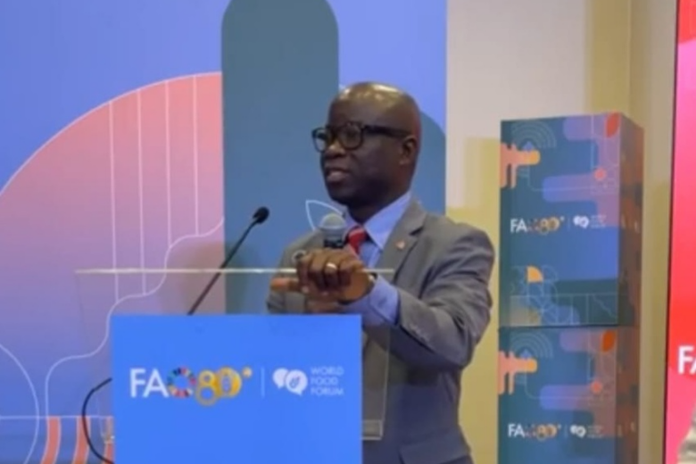
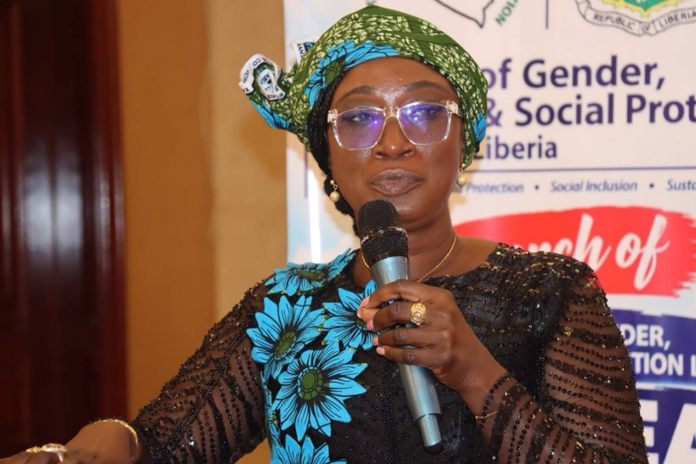
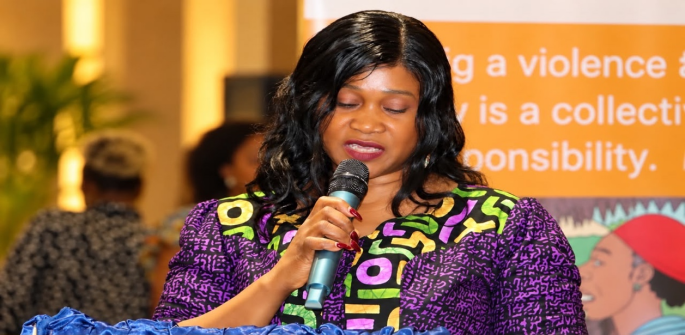
Speaking on behalf of the United Nations Development Programme (UNDP) Liberia, Esther Tetenda Chawanda described climate change as an immediate threat to Liberia’s infrastructure, culture and opportunities for young people.
She highlighted UNDP’s efforts to support a green transition through climate-smart agriculture, renewable energy and digital innovation. Chawanda also encouraged young innovators to help identify the priorities that UNDP and Liberia’s Environmental Protection Agency (EPA) should advance at upcoming international climate forums.
A representative of the EPA’s NDC Facilitation Office, operating under the leadership of Dr. Emmanuel King Urey Yakpawolo, said the office has mapped key stakeholders and assigned responsibilities aimed at moving young people from passive participants to active partners in the implementation of NDC 3.0.
The priorities, the representative said, include promoting green jobs and advancing the circular economy. The office also called for what it described as a “mindset reset” on accountability among government institutions, development partners and young people.
Assistant Minister for Technical and Vocational Education and Training (TVET), Tamba F. Collins, outlined practical arrangements for accredited youth organizations seeking to participate in international conferences. He explained that eligible organizations may access government-facilitated service passports to support official travel, while cautioning that the documents remain government property and must be returned upon re-entry into the country.
ActionAid Liberia, the conference’s primary sponsor, highlighted its broader support for youth climate action, including two previous Climate Justice Summits. The most recent summit reportedly brought together more than 1,000 stakeholders.
The organization also announced support for two young Liberians, selected from a pool of 113 applicants, to attend COP31 in Turkey.
Youth Demands Accountability and Climate Financing
The National Youth Statement, adopted by delegates and endorsed by more than two dozen youth-led organizations, outlines demands across five key areas.
Under Climate Policy and Accountability, the statement calls for the institutionalization of youth participation in national climate governance and the establishment of annual youth-led reviews of NDC 3.0 commitments.
On Climate Finance and Equity, delegates called for the mobilization of US$500,000 by 2028 to operationalize a National Youth Climate Innovation Fund. The statement also calls for support for five young Liberians to attend COY21 and COP31 in November.
Under Adaptation and Resilience, the statement urges the scaling up of community-based responses to flooding, sea-level rise and illegal mining, while also calling for climate education to be integrated into school curricula.
On Human Rights and Justice, the youth called for the operationalization of provisions of the EPA Act to establish an environmental court by 2028 and a community-led climate tribunal by 2030.
Under Innovation and Sustainable Solutions, delegates called for the establishment of a Youth Climate Innovation Hub and the mobilization of an additional US$500,000 by 2030 to support youth- and women-led climate-resilient agricultural cooperatives.
The statement further commits signatory organizations to ensuring at least 50 percent representation of women in climate leadership roles.
Preparing the Next Generation of Climate Negotiators
The formal conference followed a day of preparation on August 27, when more than 20 young Liberians participated in a Climate Youth Negotiators Training at the Orange Digital Center in Congo Town.
The training covered the procedures of the United Nations Framework Convention on Climate Change (UNFCCC), party positions and a live climate negotiation simulation.
Benjamin Karmorh, Liberia’s UNFCCC National Focal Point and a veteran of international climate negotiations since 2002, used the occasion to launch the Liberian Young Negotiators Group.
The initiative is intended to strengthen youth representation in climate negotiations at the national, regional and international levels.
One participant described the exercise as a genuine simulation of a COP negotiation and called for the training to be expanded into a week-long program.
Organizers say the National Youth Statement will now be forwarded to YOUNGO, the official youth constituency of the UNFCCC, for possible incorporation into the Global Youth Statement ahead of COY21 and COP31 in Antalya, Turkey.
The move could place the demands and priorities of Liberian youth directly before international climate negotiators under the country’s new NDC 3.0 framework.
As LCOY Liberia 2026 concluded, the message from young climate advocates was clear: the time for promises has passed, and the focus must now shift toward proof, accountability, financing and meaningful youth participation in shaping Liberia’s climate future.
Support Independent Journalism
Your support helps FrontPage Africa continue delivering independent, credible, and impactful journalism. Every contribution strengthens our ability to investigate, inform, and hold power accountable while keeping quality journalism accessible to our readers.
Support our journalism or subscribe to receive the latest FrontPage Africa stories and updates.