MARGIBI COUNTY — Two Liberian advocates have renewed calls for support for a movement seeking visa-free travel access for Liberians to the United States, expressing optimism that the long-running campaign is gaining attention despite skepticism from many Liberians.
By Patience M. Jones,[email protected]
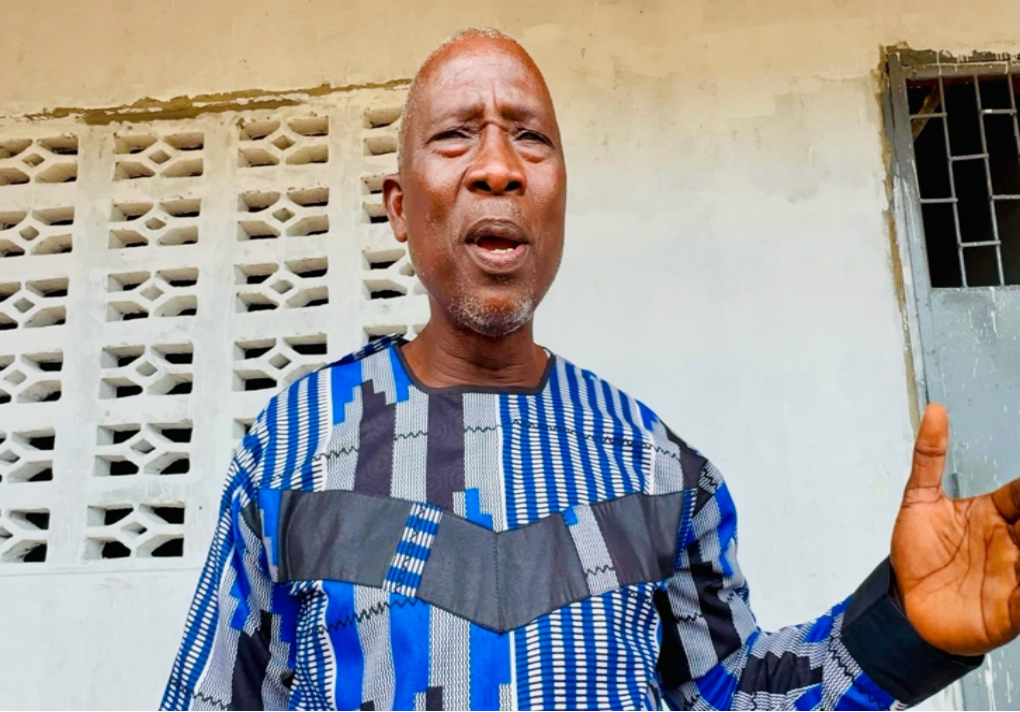
Speaking in separate interviews at Disco Hill in Lower Margibi County following the pre-launch of a new book, Exile by Design: The Hidden Story of Mumbet, American Colonization, Liberia, and Juneteenth Across the Atlantic, John Allenton Kaska and Rev. Dr. T. Ernest Gompa said they remain hopeful that the movement will one day achieve its goal.
The book was written by Rev. Torli Harlan Krua and examines the historical relationship between the United States, American colonization, the founding of Liberia, and the continuing debate surrounding immigration and visa access.
A Long Road Toward Visa Waiver
John Allenton Kaska, who served as keynote speaker during the programme, said he and Rev. Krua have known each other since childhood and have worked together on advocacy surrounding visa-free access for Liberians.
According to Kaska, the movement has been pursued for several years and has attracted the attention of some lawmakers in the United States.
“We cannot put a time on it,” he said, noting that the process involves legal and political challenges. However, he expressed hope that the advocacy would eventually produce results.
Kaska acknowledged that many Liberians remain doubtful about the possibility of visa-free access to the United States, particularly because immigration and travel policies remain under the authority of the U.S. government.
Despite the doubts, he said the advocates remain committed to pushing the campaign forward.
“There is a legal case going on simultaneously with our advocacy,” he explained, adding that the movement continues to gain attention.
Education Remains Key
Beyond the visa-free campaign, Kaska used his appearance at the programme to speak about the importance of improving Liberia’s education system.
He said Liberia has made progress in expanding educational opportunities but still has significant work to do, particularly in ensuring that schools meet proper standards.
Kaska praised efforts to monitor schools and address institutions operating without qualified teachers or proper educational standards.
Drawing from his experience as an education professional and private school operator in New York City, he stressed the importance of government oversight and a clear curriculum.
“The student should be the center of education,” he said.
Kaska, who said he is pursuing his doctorate, also expressed interest in contributing to Liberia’s education sector in the future.
He said his goal is not necessarily to return home for a government job but to give back to society through education and other forms of service.
“I want to come back and give back to society,” he said, adding that he hopes to contribute to teaching and educational development.
Taking the Message to Liberians
In an interview, Rev. Dr. T. Ernest Gompa said he is working closely with Rev. Torli Harlan Krua to raise awareness about the visa-free movement in Liberia.
Gompa said the movement’s supporters understand that many people consider the goal difficult or impossible. However, he said their faith continues to strengthen their commitment.
“People on the streets may tell you that it is not going to work,” Gompa said. “But we remain optimistic.”
He said advocates have been taking the message to churches and communities, encouraging Liberians to understand the purpose of the movement and support the campaign.
According to Gompa, the advocates believe that continued engagement and awareness can help build public understanding of the issue.
He also referred to efforts involving discussions with lawmakers and other stakeholders in the United States.
The Story Behind Exile by Design
The interviews followed the pre-launch of Exile by Design: The Hidden Story of Mumbet, American Colonization, Liberia, and Juneteenth Across the Atlantic, a book that presents a provocative examination of the historical connection between slavery, freedom, colonization and Liberia’s founding.
In his special message, author Rev. Torli Harlan Krua traces the story back more than two centuries to Elizabeth “Mumbet” Freeman, an enslaved Black woman in Massachusetts who challenged the institution of slavery through the courts.
Though she was not formally educated, Mumbet understood the meaning of freedom and equality and refused to accept the contradiction between those principles and slavery.
In 1781, Mumbet and her co-plaintiff, Brom, won their freedom in the landmark case Brom & Bett v. Ashley. Their victory became an important moment in the fight against slavery in Massachusetts.
The book argues that while freedom for Black people expanded in some parts of the United States, it also created strong resistance and contributed to efforts promoting the removal of free Black people from America through colonization.
Krua examines the role of the United States government, the U.S. Navy and the American Colonization Society in the establishment of Liberia.
The book also raises questions about the historical figures whose names remain part of Liberia’s national landscape.
Monrovia, Bushrod Island, Marshall City and other locations carry names connected to powerful American political leaders and supporters of colonization, while the contributions of prominent abolitionists and anti-colonization activists receive less recognition.
A Voice Beyond Education
Speaking about the book, Dr. Gompa said one of its most powerful messages is that a person does not need formal education to speak up for justice.
“Mumbet was not educated, but she had a voice,” he said.
He noted that her decision to challenge slavery through the court system demonstrates the power of courage and determination.
According to Gompa, the story sends a strong message that people can stand up and speak for themselves and others regardless of their educational background.
The book launch is expected to take place in the United States, while hard copies are expected to later become available in Liberia.
Linking Liberia’s Past to Its Present
At the center of Exile by Design is a larger question about Liberia’s historical relationship with the United States.
The book explores the establishment of Liberia as a settlement connected to the American colonization movement and examines the continuing debate about the status of Liberians seeking access to the United States.
Rev. Krua’s work also draws attention to the fact that while citizens of some countries can travel to the United States under visa waiver arrangements, African countries are not currently part of the U.S. Visa Waiver Program.
For the advocates behind the movement, this issue is more than immigration. They believe it is connected to a much deeper historical relationship between the two nations.
As the campaign for visa-free access continues, Kaska and Gompa say they understand the doubts and frustrations surrounding the movement. However, they insist they will continue advocating and raising awareness.
For them, the story of Liberia cannot be separated from the history that brought many of its early settlers across the Atlantic.
And through Exile by Design, Rev. Torli Harlan Krua is asking Liberians and Americans alike to confront a difficult question:
‘’Was the separation of Black Americans from the promise of full freedom simply an accident of history or was it, as the book argues, exile by design?’,’ the writer asked.
Support Independent Journalism
Your support helps FrontPage Africa continue delivering independent, credible, and impactful journalism. Every contribution strengthens our ability to investigate, inform, and hold power accountable while keeping quality journalism accessible to our readers.
Support our journalism or subscribe to receive the latest FrontPage Africa stories and updates.