Monrovia – The Council of Patriots of the Congress for Democratic Change (CDC-COP) has called on the Liberian Legislature to begin impeachment proceedings against Chief Justice Yarmie Quiqui Gbeisay, following his controversial decision to appoint his son, Willeyon Y. Gbeisay, as Associate Magistrate-Designate of the Paynesville Magisterial Court.
By J.H. Webster Clayeh (0886729972)[email protected]
The call comes amid a storm of public criticism, accusations of nepotism, and growing concerns from legal practitioners and civil society organizations, who have raised red flags over the credibility of the judiciary, the ethics of the appointment, and procedural flaws in the decision-making process.
Although Willeyon Y. Gbeisay resigned from the post on Wednesday, October 1, 2025, a decision confirmed by the Executive Mansion, the CDC-COP insists the resignation does not absolve the Chief Justice of wrongdoing.
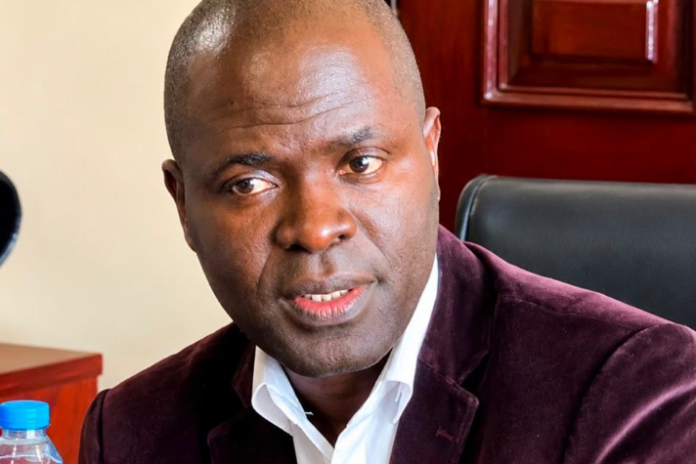
“We want to say this for the record: the Legislature must now act, because they have the power to impeach the Chief Justice,” said Foday N. Massaque, Chairman of the CDC-COP, in an exclusive interview with FrontPage Africa. “They must start the impeachment process now.”
Chief Justice Defends Decision, Cites Legal Ambiguity
Chief Justice Gbeisay had earlier defended his action, arguing that no law specifically prohibits such an appointment. In a sharp rebuttal to his critics, he accused fellow judges of misinterpreting the law and failing to understand basic legal principles.
“The constitution gives the president power to appoint all presidential appointees,” the Chief Justice said. “When it comes to associate magistrates, the law is silent. What the law does not give, it holds — meaning the president retains the authority. I have done nothing wrong. The president has done nothing wrong. My son, as a Liberian, is entitled to a job.”
CDC-COP Alleges Constitutional and Ethical Violations
Chairman Massaque, however, insists the appointment is a clear conflict of interest and undermines the integrity of Liberia’s judiciary.
“Justice Gbeisay is unfit to be Chief Justice of the Republic of Liberia,” Massaque asserted. “This man, who should be the final arbiter of the law according to Article 66 of the Liberian Constitution, can say, ‘show me the violation’ of appointing my son.”
Massaque argues that the appointment breaches Article 9.7 of the Code of Conduct, which addresses nepotism and ethical governance in public service, as well as Article 18 of the Constitution, which speaks to equal access to employment and protection against privilege-based favoritism.
“So, what will happen when all of the other Associate Justices begin appointing their children?” Massaque asked. “You know what will happen in this country.”
Calls for Legislative Oversight Intensify
The CDC-COP’s demand adds to growing public calls for greater transparency and accountability in the judicial branch. While the resignation of Willeyon Gbeisay may have temporarily diffuse tensions, observers say the controversy exposes deeper concerns about how public appointments are handled—especially at the highest levels of government.
As of now, there has been no official response from the Legislature regarding the impeachment demand. However, political and legal analysts suggest the incident could prompt lawmakers to revisit legal frameworks governing appointments in the judiciary, particularly those involving potential conflicts of interest.
Justice Gbeisay was appointed Chief Justice in 2024, and his tenure has already seen heightened scrutiny amid efforts to reform the judiciary. The controversy surrounding his son’s appointment is the latest challenge to his leadership.
As Liberia prepares for a new era of digital governance and institutional reform, the Gbeisay episode may serve as a litmus test for the country’s commitment to rule of law, ethical leadership, and separation of powers.
Whether the Legislature will act on CDC-COP’s call remains to be seen, but one thing is certain: public trust in the judiciary hangs in the balance.
Support Independent Journalism
Your support helps FrontPage Africa continue delivering independent, credible, and impactful journalism. Every contribution strengthens our ability to investigate, inform, and hold power accountable while keeping quality journalism accessible to our readers.
Support our journalism or subscribe to receive the latest FrontPage Africa stories and updates.