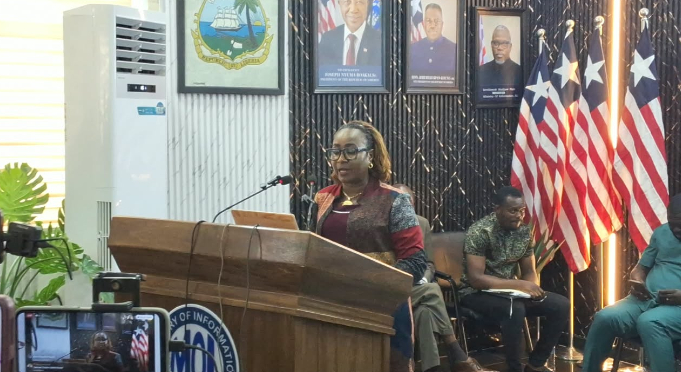
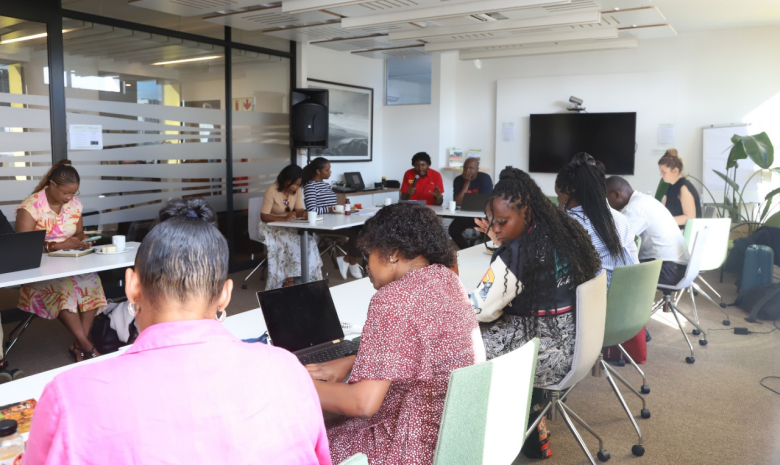
Despite Africa’s vast mineral wealth, communities living closest to mining sites and within concessions remain among the poorest and most vulnerable. This paradox took the center stage at the Alternative Mining Indaba (AMI) 2026 taking place in Cape Town, South Africa where civil society organizations (CSOs) and inter-faith leaders called for urgent reforms to ensure extractive revenues genuinely support national resource mobilization and community development.
By Evelyn Kpadeh Seagbeh
Speakers emphasized that for far too long, host communities have borne the social and environmental costs of mining while receiving little or no benefits to match with the natural resources that extracted from their soil or from their local communities, towns and villages. environment.
Instead of becoming drivers of the transformation, many have been left in the abject poverty. Civil society, participants stressed, plays a critical role in tracking inequalities, exposing accountability gaps and ensuring extractive governance serves the public good.
CSO leaders called for the need to reimage development by going beyond extractions. Against this backdrop, ActionAid Liberia along ActionAid Zambia, Denmark, Zimbabwe, Nigeria, and Kenya joined Tax Justice Africa, Power Shift Africa, Publish What You Pay Zambia and the Liberia Extractive Industries Transparency Initiative (LEITI) convene a round table dialogue.
The session brought together civil society actors, government representatives, faith leaders, and community members to reimage Africa’s Development beyond traditional extractive-led frame-works.
Key focus of the dialogue was placed on continental priorities including, strengthening domestic resource mobilization to finance public services, and climate justice, the need to improve transparency and accountability in the extractive industry, ensure women, youth, and mining-affect communities lead just transition strategies and consolidating a unified African civil society position ahead of cop 31.
Reflecting on resistance and reforms, was one of the central them of the session that highlighted the historical and contemporary reflection on extractive resistance movements. Panelists examined what has worked, what has failed and the lessons emerging from struggles around critical minerals and the just energy transition.
Participants challenged the tendency to romanticize resistance, urging movements to go beyond symbolic advocacy toward strategic organizing grounded in contextual analysis and stakeholder mapping. They noted that while progress has been made, leadership and sustained coordination remain essential for meaningful impact.
Several speakers situated today’s extractive governance challenges within a colonial legacy. During colonization, draconian laws enable the dispossession of communities for mineral, oil, gas, and commercial agriculture exploitation. Alarmingly, panelists observed that some of these legal frameworks remain unreformed decades after independence.
In the case of Mozambican experience illustrated the enduring complexity of extractive development. Oil and gas discoveries dating back to the 1960 have not translated into shared prosperity. Ongoing unrest in Cabo Delgado has further underscored the social tension that can accompany resource extraction.
“Poverty remains rampant in communities where natural resources are plentiful, showing the paradox.” Said Dr. Selena Pasirayl, during the panel discussion.
The CSO leaders then stressed the importance of strengthening the AMI movement. According to them since the 2024 Alternative Mining Indaba, organizers have worked to implement recommendations aimed at strengthening the AMI movement. Key priorities include building movement capacity, and deepening commitment to transparency, accountability, and democratic governance within the extractive sector
As AMI 2026 concluded, one message range clear. CSO leaders and partners called that Africa extractive wealth must match national development ambition. They said, without accountability mechanisms and inclusive governance, the cycle of inequality will persist. Civil Society and faith leaders then reaffirmed their commitment to ensuring that extractive resources translate into tangible improvements in the lives of the communities who host them.
Support Independent Journalism
Your support helps FrontPage Africa continue delivering independent, credible, and impactful journalism. Every contribution strengthens our ability to investigate, inform, and hold power accountable while keeping quality journalism accessible to our readers.
Support our journalism or subscribe to receive the latest FrontPage Africa stories and updates.