DOHA, Qatar – As the world observes International Women’s Day, the United Nations led by its Secretary-General Antonio Guterres has called on governments and the private sector to double their efforts to ensure a more digital world for all.
By Gerald C. Koinyeneh – [email protected]
This year’s theme, “DigitALL: Innovation and technology for gender equality, is intended to raise awareness and call for actions to close the gender gap in digital access by encouraging women and girls to fully partake in the creation, use, and regulation of technology.
The celebration comes in the wake of survey that showed Women make up only 22 percent of artificial intelligence workers globally, and a global analysis of 133 AI systems across industries found that 44.2 per cent demonstrate gender bias.
In his message, Guterres said “That is why we must close the digital divide and increase the representation of women and girls in science and technology.”
Referencing the data, the UN Chief said women’s exclusion from the digital world comes with massive costs for all, having already shaved US$1 trillion from the gross domestic product of low- and middle-income countries in the last decade—a loss that, without an intended plan of action and suitable investment, is expected to increase to US$1.5 trillion by 2025.
He noted that while the day is set aside to celebrate the achievements of women and girls across all walks of life and in all corners of the world, it is also intended to recognize the “enormous obstacles they face — from structural injustices, marginalization, and violence, to cascading crises that affect them first and worst, to the denial of their personal autonomy and rights over their bodies and lives.”
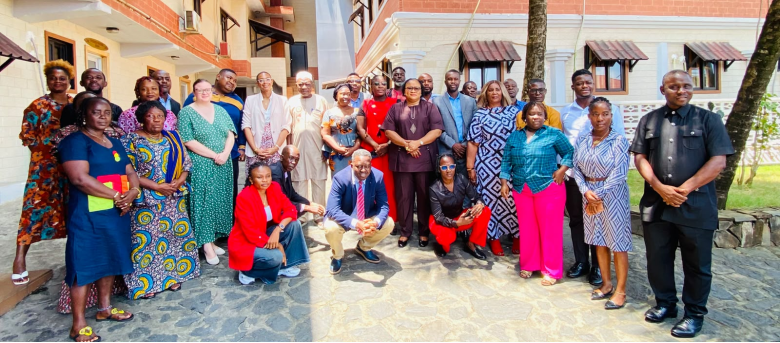
In Doha at the ongoing 5th UN Conference on Least Developed Countries, Ms. Alya Al-Thani, Ambassador and Permanent Representative of the State of Qatar to the United Nations and Ms. Rabab Fatima, UN Under-Secretary-General and High Representative for the Least Developed Countries, Landlocked Developing Countries and Small Island Developing States (UN-OHRLLS), led a brief, but colorful celebration commemorating the day.

The celebration featured a traditional African dance performance by Muda Africa, Tanzania, the winner of the UNESCO International Fund for Cultural Diversity.
In a moving message, Ms. Fatimah said “Access to education should be the greatest empowerment tool that humanity has available,” but noted that “This is only true when that access is equal and inclusive.”
Ms. Fatima warned that there is a long way to go to achieve that equality, in all walks of life, but was hopeful of the progress at the Doha Conference.
The empowerment of women and girls, she noted, is a core value of the UN and an essential element of the Doha Programme of Action (DPOA) and the Agenda 2030. The DPOA, she said, commits to expanding women and girls’ access to education, online services, health, jobs and economic opportunities, social protection, and participation in all aspects of decision-making and public life.
The establishment of an online university for LDCs members has dominated discussions here at the conference.
Ms. Fatima, who serves as General-Secretary of the Conference said one of the most important promises of the Program, is to establish an online university for the LDCs, to increase access to key STEM [Science, Technology, Engineer and Maths] skills needed in modern economies.
“The university’s goal is to achieve a 50/50 gender balance at all levels, while also guaranteeing special access for the poorest people and in vulnerable situations. This has transformational potential for the many young women who are currently locked out of these opportunities in LDCs,” she said.
She further mentioned that digital innovation and entrepreneurship in particular, can empower women and girls to build a better future and transform their societies.
This year’s celebration, she added, should be about the fundamental contribution women and girls make, often against the odds to make the world a better place, and stressed that the central role of women in many societies has ensured stability, peace, progress and long-term development.
For her part, UN Women Executive Director Sima Bahous said: “Women and girls have just as much right to access the digital world and prosper in it as men and boys.”
“Their creativity, knowledge and perspectives,” she added, “can shape a future where technology contributes to transforming social norms, amplifying women’s voices, pushing forward against online harassment, preventing the perpetuation of algorithmic biases, and distributing the benefits of digitalization as the great equalizer to achieve the Sustainable Development Goals.”
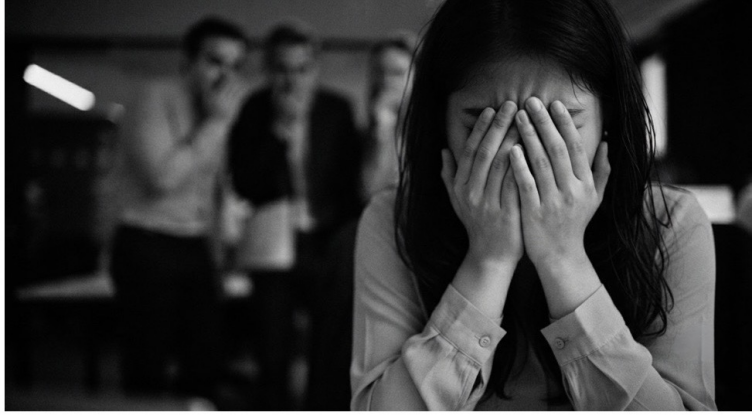
She added: “Our vision of equality, of what our world could be, for all of us, can and will include the equal enjoyment of the fruits of technology and innovation without fear of violence or abuse of any sort. Women and girls must be able to engage, create, learn and work, safely and productively either online or offline, making the most of all the opportunities in every sphere of life and at every stage of it, in education, in the economy, in society and in politics.”
Support Independent Journalism
Your support helps FrontPage Africa continue delivering independent, credible, and impactful journalism. Every contribution strengthens our ability to investigate, inform, and hold power accountable while keeping quality journalism accessible to our readers.
Support our journalism or subscribe to receive the latest FrontPage Africa stories and updates.