- leaders at COP31 called for predictable climate finance, but reports show that much of the funding available to developing countries comes as loans, adding to debt pressures.
- Liberia had received about US$213 million of the US$573 million identified in its previous climate plan by December 2024, while key projects, including its US$10 million Climate Information System and Monrovia’s coastal protection project, remain delayed.
- Questions remain over whether climate finance will reach vulnerable communities. Experts argue that adaptation needs grants rather than loans, as debt repayments continue to limit the resources available for public services.
By Aria Deemie | Climate and Environment Reporter
African leaders at the United Nations climate conference in Türkiye have called on developed countries to deliver promised climate finance, warning that vulnerable nations cannot continue shouldering the growing costs of climate change.
For Liberia, the debate has immediate consequences. The country has identified hundreds of millions of dollars in climate financing needs, but much of that funding remains undisbursed. Meanwhile, projects intended to improve weather forecasting and protect communities from coastal erosion remain unfinished or delayed.
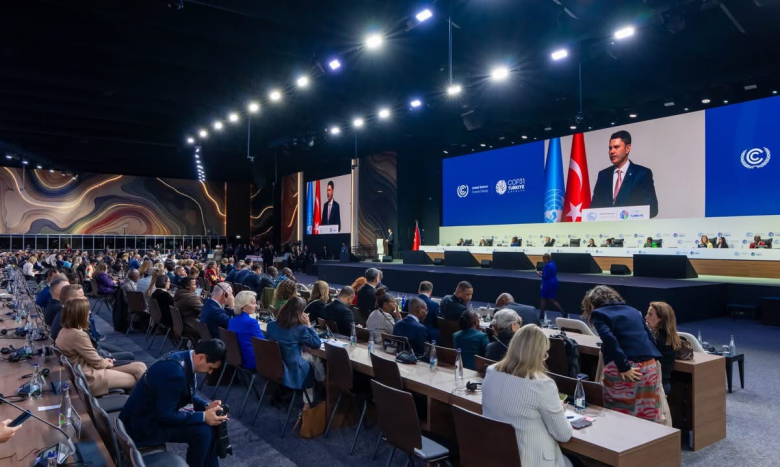
At the November 11–12 COP31 Leaders’ Summit in Antalya, heads of state and government discussed climate adaptation, clean energy and finance. Ethiopian Prime Minister Abiy Ahmed warned that the cost of climate damage was competing with investment in essential services.
“The more we spend coping with climate damage, the less we have to invest in schools, healthcare, and opportunity for our young people,” he said.
Liberia’s previous climate plan identified about US$573 million in financing. By December 2024, about US$213 million had been disbursed, leaving roughly US$360 million outstanding. This represents the difference between financing identified and money reported as disbursed. It does not mean all the funding had been approved and withheld.
Liberia is not alone. Across Africa, governments face mounting climate risks while struggling to finance and implement their climate plans.
At COP31, Côte d’Ivoire’s Vice President Tiemoko Meyliet Kone said unpredictable seasons were threatening agricultural production, household incomes and families’ futures. Seychelles Vice President Alix Sébastien Pillay called for climate finance commitments to be translated into actual resources, describing climate disasters as a major burden for small island nations.
Rwanda’s Prime Minister Justin Nsengiyumva said implementing the country’s latest climate plan would require US$12 billion in investment. He called for projects in developing countries to be assessed on their merits rather than their location. Zimbabwe’s Vice President Constantino Chiwenga also urged developed countries to provide measurable finance, including greater support for adaptation and loss and damage.
The experiences of other African countries show the scale and complexity of the challenge.
In Zambia, implementing the country’s climate plan across 11 priority sectors is estimated to cost about US$17.2 billion between 2023 and 2030, according to an International Monetary Fund assessment. The report identifies limited financing, technical capacity and coordination as constraints.
Malawi faces a different but related pressure. Its 2025/26 climate financing budget relies heavily on donor support, with 61 percent of on-budget donor development financing coming through blended arrangements involving loans and grants, according to a UNICEF budget brief. The brief warns that these loans add to the country’s already unsustainable external debt burden. The World Bank says interest payments alone absorb nearly half of Malawi’s domestic revenue, leaving less for social services, infrastructure and resilience spending.
Mozambique offers another perspective. Its National Directorate for Climate Financing says the country mobilized more than US$1.3 billion for climate projects between 2012 and 2024. About US$245 million came directly from international climate funds, with the remainder provided through co-financing. The projects cover coastal adaptation, food resilience and green infrastructure. The directorate also acknowledges technical and coordination challenges in accessing climate funds.
These examples show that countries face different obstacles, from raising money to implement climate plans to accessing international funds and managing the debt associated with borrowing.
A major concern is the form in which climate finance is provided. At COP29 in Baku, Azerbaijan, countries agreed that developed nations would take the lead in providing at least US$300 billion annually by 2035 to support climate action in developing countries, including efforts to reduce emissions, adapt to climate change and strengthen resilience. The agreement also called for finance from all sources to reach at least US$1.3 trillion annually by that year.
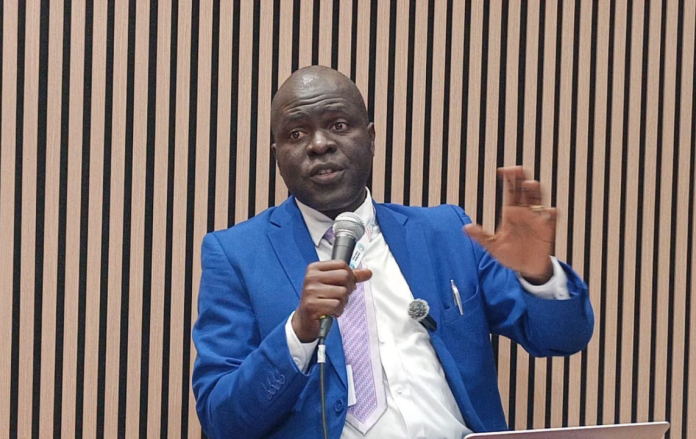
Mohamed Kamal of the Global Alliance for Incinerator Alternatives, an international network working on environmental justice and zero-waste solutions, said the US$300 billion target fell short of what developing countries had demanded.
“The request at that time was a trillion dollars or $1.3 trillion just for the targeted annual climate finance to be provided,” he said.
Kamal criticized African negotiators who accepted the lower figure as a compromise.
“Some African negotiators decided back then that it’s better to take something instead of nothing. And that’s quite problematic,” he said.
He also questioned the reliance on loans to finance climate action, arguing that countries should not have to repay money for projects that protect people and ecosystems but do not generate revenue.
A November 10 report by CARE International adds to concerns about the debt burden. Its report, The Climate Finance Boomerang, found that 67 percent of public climate finance was provided as loans in 2024. It estimated that US$20.1 billion in repayments on climate loans fell due that year, compared with US$6.9 billion in 2020. The report warned that annual repayments could exceed new climate lending by 2036 if lending continued at its 2024 level and loan terms remained unchanged.
ActionAid Liberia’s September 2026 brief, Who Bears the Cost? Debt, Climate and the People Who Pay the Price, highlights the pressure debt repayments place on Liberia’s public finances. It reported that public debt reached US$2.84 billion by June 2026, up 317.5 percent from 2014. Debt servicing absorbed 18.65 percent of domestic revenue in 2025.
ActionAid warned that debt payments leave less room in the public budget for healthcare, education, water and social protection, even as climate disasters create additional demands on government spending.
For Kamal, loans are particularly unsuitable for adaptation projects, which help countries prepare for climate impacts but often do not generate income.
“Liberia’s needs are probably not mitigation. They are probably adaptation-oriented projects,” he said, pointing to forest protection.
“So why am I having to pay back a loan for them?”
At the Liberia Pavilion on November 12, Bushuben Keita, the President’s legal adviser, reiterated the government’s call for more accessible and predictable climate finance. Speaking on behalf of President Joseph Boakai, he called for faster adaptation funding and support for loss and damage, referring to climate-related harm that cannot be avoided through emissions cuts or adaptation.
“Vulnerable countries should be able to protect their people without deepening unsustainable debt,” Keita said.
The difficulties of turning climate finance into completed projects are already visible in Liberia. A FrontPage Africa investigation published in April 2025 documented years of delays to a US$10 million Climate Information System project intended to improve weather forecasting and provide early warnings to vulnerable communities. In its 2023 annual performance report, the African Development Bank, which oversees implementation, attributed some delays to the former Environmental Protection Agency’s administration failure to follow recruitment procedures and respond promptly to requests. The Bank also acknowledged that its own due-diligence review delayed the appointment of a project manager. Wilson Tarpeh, who headed the EPA under former President George Weah, disputed the Bank’s account, defending the recruitment process and saying the Bank’s internal procedures also contributed to the delays.
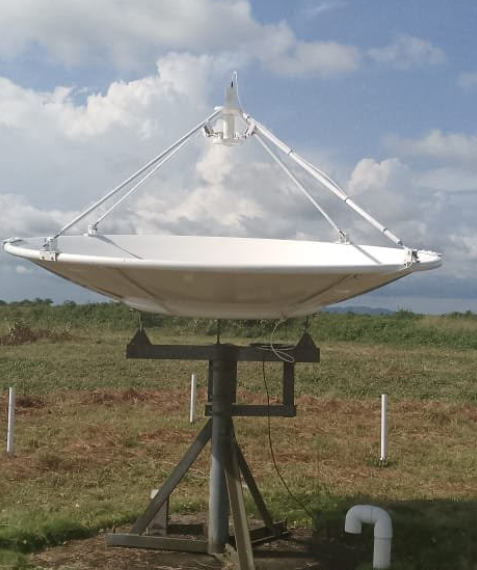
A subsequent 2025 annual performance report, submitted by the Bank in July 2026 and still under review by the Green Climate Fund, identified further delays linked to differences between the Bank’s disbursement procedures and Liberia’s financial and tax regulations, the departure of the project’s procurement officer and the limited availability of government staff assigned to the project. The Bank said corrective measures agreed in December 2025 included recruiting a new procurement officer and improving coordination with the Ministry of Finance. Although the report recorded progress in project planning, financial management and staff training, it did not indicate that the early-warning system was operational. The Fund’s project page lists the project as under implementation, with completion estimated for October 2027 and US$4.17 million disbursed from the US$10 million grant.
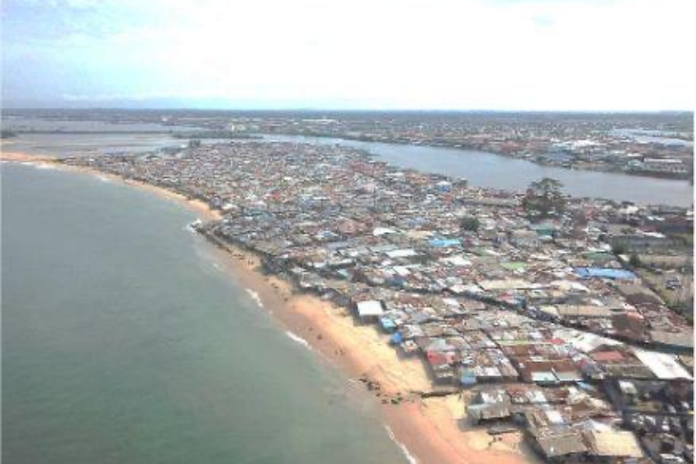
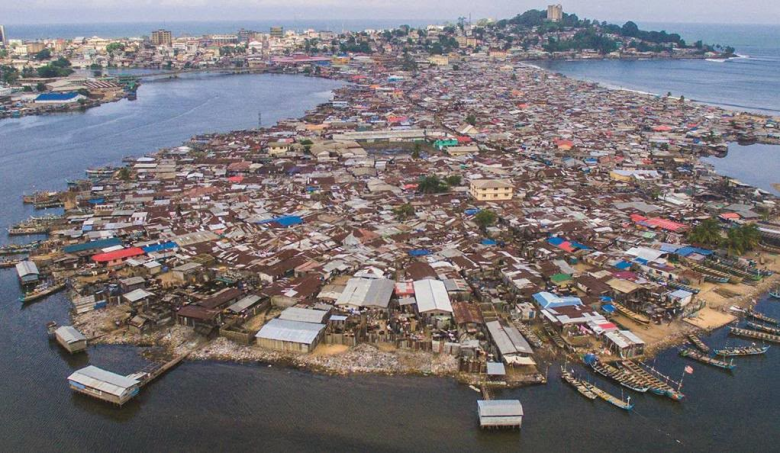
A separate project to protect Monrovia’s coastline is also behind schedule. The US$25.6 million Monrovia Metropolitan Climate Resilience Project includes plans for a 1,050-metre coastal defense structure at West Point, where erosion threatens homes and livelihoods. In a November 8 update, the Environmental Protection Agency reported that construction had not started by the end of October because contract negotiations were still ongoing. About US$2.07 million had been spent from US$21.37 million in cash commitments.
Accessing international climate funds presents another hurdle. Kamal said governments can work through institutions such as the United Nations Development Programme or the World Bank when they lack nationally accredited institutions to access funding directly. But this does not remove the difficulty of preparing proposals that meet the funds’ requirements.
Liberia’s updated Nationally Determined Contribution, its official climate plan, targets a 64 percent reduction in greenhouse gas emissions by 2035. Achieving that target depends substantially on international financial and technical support. The country also faces flooding, coastal erosion and changing rainfall patterns, with limited infrastructure and resources to respond.
African governments have also struggled to secure agreement on some of their negotiating priorities. At the start of COP31, the African Group sought a separate agenda item on tripling adaptation finance. The proposal did not secure consensus and was not included as a standalone item on the official agenda, although the COP31 presidency said the issue could still be discussed elsewhere.
The African Group also pushed for discussions on climate-related trade measures and an assessment of funding needs for the Green Climate Fund.
Kamal believes African countries need to use their collective political influence more forcefully.
“We are the continent in the most need for adaptation. There’s no question among it,” he said.
“We’re not going to get anywhere if we’re not more confrontational, if we’re not more direct.”
He suggested African governments could use political meetings beyond COP negotiations to strengthen their common position.
This story was produced as part of the COP31 Climate Change Media Partnership,a journalism fellowship organized by Internews’ Earth Journalism Network, Informed Earth and the Stanley Center for Peace and Security.
Support Independent Journalism
Your support helps FrontPage Africa continue delivering independent, credible, and impactful journalism. Every contribution strengthens our ability to investigate, inform, and hold power accountable while keeping quality journalism accessible to our readers.
Support our journalism or subscribe to receive the latest FrontPage Africa stories and updates.