GANTA, Nimba County — Delegates, who attended Liberia’s three-day National Constitutional Reform Symposium in Ganta City, Nimba County, have agreed and signed a resolution setting out their recommendations for a broad national review of the country’s 1986 Constitution.
By Franklin Doloquee
The proposed resolution will provide a basis for wider consultations on whether Liberia should amend specific constitutional provisions or pursue a more comprehensive rewriting of the 40-year-old document.
The agreement to prepare the resolution does not in itself constitute a final national decision to replace the Constitution.
Once finalized, the document is expected to be presented for consideration by the Executive Branch, the Judiciary, the House of Representatives, the Senate, civil-society organizations, traditional chiefs and elders, the media, youth organizations, women’s groups, People living with disability, organizations representing persons with disabilities, political parties representations, Superintendents Council representations, counties nine men council members and other stakeholders.
Delegates emphasized that the future of the Constitution should not be determined solely by political leaders, legal experts or participants at a single gathering.
Instead, they called for an inclusive, transparent, and nationally owned process that gives Liberians across all 15 counties a meaningful opportunity to contribute.
Building National Agreement
The symposium was convened by the Governance Commission and the Law Reform Commission, with support from the United Nations Development Programme, ( UNDP) under the theme: “Advancing Constitutional Reform through National Ownership, Inclusion and Democratic Governance.”
Participants included representatives of government ministries and agencies, lawmakers, lawyers, civil-society organizations, professional bodies, traditional authorities, women, young people and persons with disabilities.
Their agreement to develop a resolution marks a step toward consolidating the discussions into a common document.
The resolution is intended to bring together areas of agreement, identify questions requiring further examination and outline a possible direction for nationwide engagement.
At the center of the proposed national review is a fundamental question: can targeted amendments adequately address Liberia’s present governance challenges, or is a more comprehensive constitutional overhaul necessary?
That question remains open for wider public discussion and legal examination.
The delegates’ recommendations are, therefore, intended to inform a national decision, rather than substitute for one.
A Constitution at 40
As Liberia marks four decades under its 1986 Constitution, participants said the country must assess whether its constitutional framework adequately reflects contemporary political, social, economic and governance realities.
The discussions focused on preserving democratic principles while examining provisions that participants believe may require clarification, stronger safeguards, or reform.
Delegates linked the review to public concerns about accountability, citizen participation, local governance, institutional independence and the equitable management of national resources.
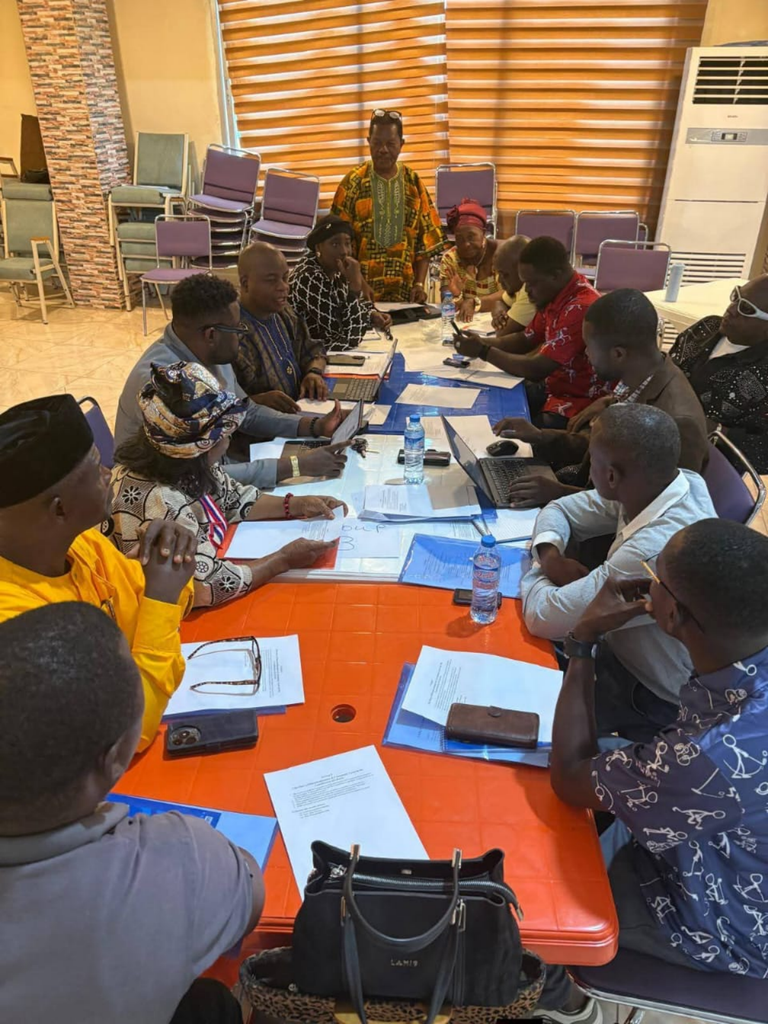
The Ganta gathering also forms part of a broader reform conversation. Earlier national discussions organized by the Governance Commission and Law Reform Commission examined the choice between targeted constitutional revision and a more comprehensive overhaul.
Priorities for Reform
During thematic discussions, delegates identified several areas for possible constitutional and legal review: Citizenship and property rights, Natural-resource governance and equitable benefit-sharing, Decentralization, local government and citizen participation.
The tenure, accountability and performance of elected officials. Traditional authority, customary rights, and their relationship with state institutions. Checks and balances among the Executive, Legislature, and Judiciary.
Fundamental rights, inclusion and public accountability. These issues extend beyond the wording of the Constitution.
They concern how public authority is exercised, how communities participate in decisions, how institutions are held accountable and how citizens benefit from the country’s resources.
Participants said the review should ultimately contribute to stronger democratic institutions, improved public-service delivery, social cohesion, and greater confidence in government.
Delegates stressed that consultation must reach beyond national institutions and urban centers.
Their call for participation across all 15 counties places communities, local leaders, and groups whose voices are often underrepresented at the center of the proposed process.
The inclusion of women, young people, persons with disabilities, traditional authorities and civil-society organizations is intended to broaden the range of experiences informing the review.
For that participation to be meaningful, the consultation process would need accessible information, understandable explanations of proposed changes, and opportunities for citizens to raise concerns before decisions are finalized.
The media would also have an important public-information role. At the Ganta symposium, the Press Union of Liberia called for an inclusive reform process and stronger constitutional protection for freedom of expression, press freedom and other fundamental rights.
Calls for Stronger Institutions
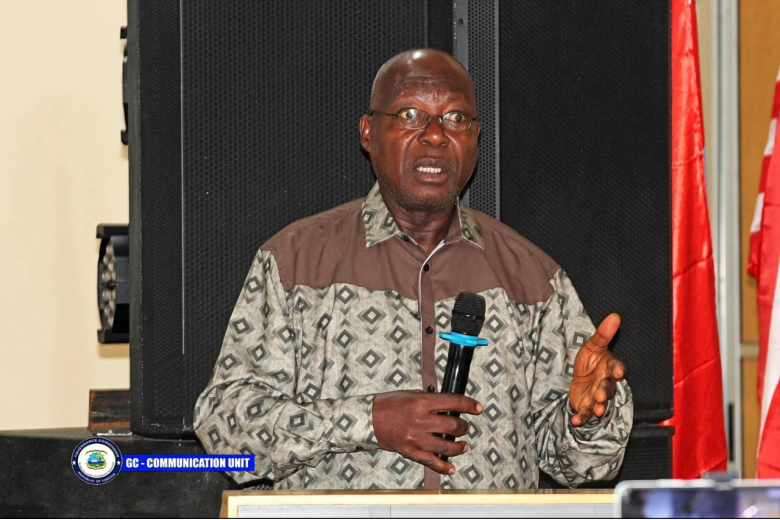
Governance Commission Acting Chairman Professor Alaric K. Tokpa has urged that constitutional reform remain nationally owned, inclusive, and focused on practical improvements in governance.
His emphasis on public participation reflects the broader argument that reform should strengthen the relationship between citizens and state institutions, rather than become an exercise confined to political and legal circles.
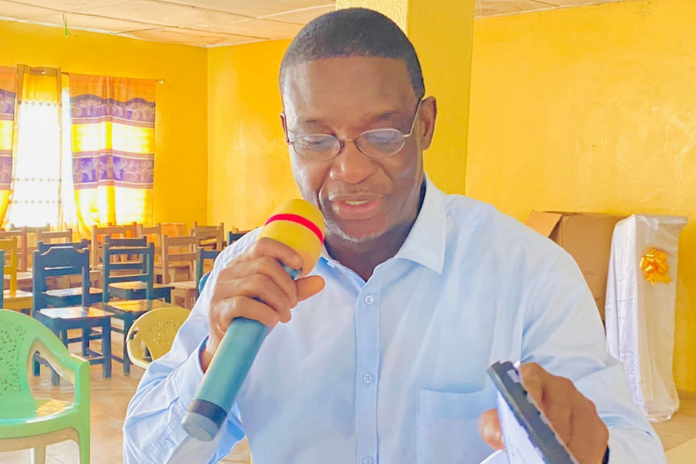
Civil Service Agency Director-General Dr. Josiah F. Joekai, who delivered the symposium’s keynote address, called for reforms addressing excessive political influence, institutional weaknesses, and inadequate accountability.
He identified stronger checks and balances, decentralization, protection of fundamental rights, inclusive participation, and responsible management of public resources as priorities, while advocating nationwide consultations and technical review of proposed amendments.
From Resolution to Reform
The proposed Ganta resolution is expected to guide further consultations, stakeholder engagement and technical legal review. It would provide a platform for national institutions and the public to consider both the substance of reform and the appropriate process for pursuing it.
However, a symposium resolution cannot itself amend the Constitution. Article 91 requires a proposed amendment to receive the support of two-thirds of the membership of each legislative chamber and subsequent approval by two-thirds of registered voters voting in a referendum held no sooner than one year after legislative action.
Citizens may also initiate the process through a petition signed by at least 10,000 citizens, but the proposal must still secure the required legislative concurrence and referendum approval.
Article 92 further requires proposed amendments to be published, explained to the public, and presented separately when more than one amendment is submitted for a referendum.
Any proposal for a comprehensive rewriting would therefore require careful legal examination; the delegates’ agreement to draft a resolution should not be presented as authorization to replace the Constitution. For the Ganta participants, the immediate task is to turn their discussions into a document that Liberians can examine, debate, and help shape.
Their stated objective is a constitutional framework that responses to present-day needs while protecting democratic values, national unity, the rule of law and the long-term interests of the Liberian people.
Support Independent Journalism
Your support helps FrontPage Africa continue delivering independent, credible, and impactful journalism. Every contribution strengthens our ability to investigate, inform, and hold power accountable while keeping quality journalism accessible to our readers.
Support our journalism or subscribe to receive the latest FrontPage Africa stories and updates.