Summary:
- Liberia is pushing for predictable, grant-based climate finance and direct access to international funding at COP31.
- About US$360 million in previously committed climate finance remained undisbursed as of December 2024, raising questions about delivery and debt.
- Communities are seeking a fair share of benefits from forest carbon projects, with participation, land rights and revenue-sharing still key concerns.
By Aria Deemie | Climate and Environment Reporter
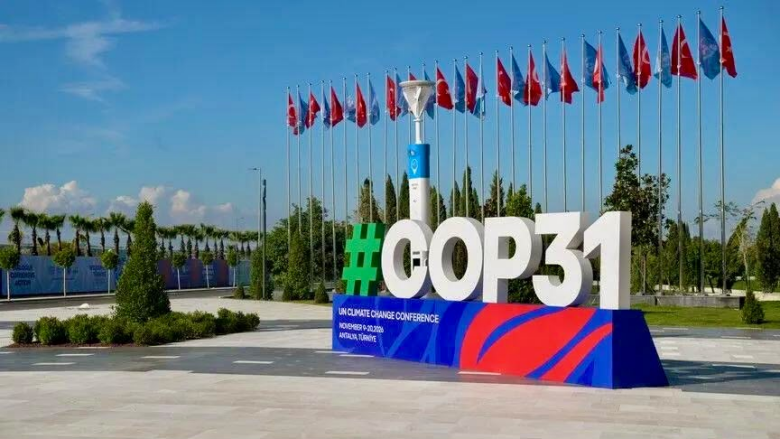
As the 31st United Nations Climate Change Conference opens in Antalya, Türkiye, today, Liberia is pressing for more grant-based climate finance, direct access to international funding and a greater share of the benefits generated from projects involving its forests and other natural resources.
The demands come as the country faces a significant gap between climate-finance commitments and the money actually disbursed. Liberia’s latest national climate plan reports that about US$213 million of US$573 million committed towards implementing its previous climate plan had been disbursed by December 2024, leaving approximately US$360 million outstanding.
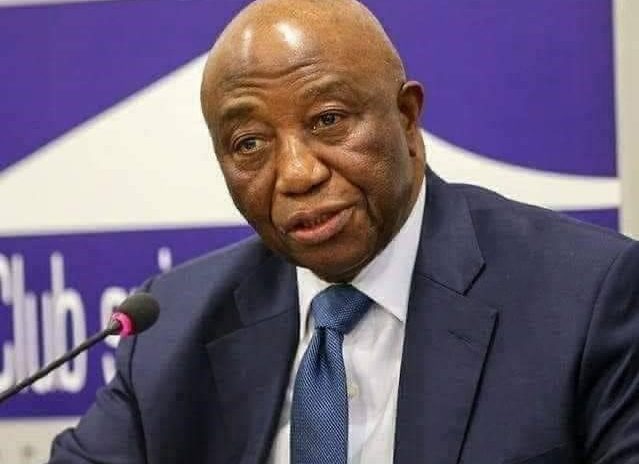
“Liberia will seek increased, predictable, accessible and grant-based funding through international climate-finance mechanisms,” said Environmental Protection Agency Executive Director Emmanuel King Urey Yarkpawolo in written responses ahead of the conference.
For Edwin C. Mendscole, Executive Director of the Youth Climate Change Initiative, the key question is whether approved funding is reaching the people who need it.
“The key test is not simply how much funding is announced and approved, but how much is disbursed, how quickly the funding reaches communities and what measurable benefits it delivers,” Mendscole said.
At COP31, Liberia will press for funding to implement its climate commitments, strengthen adaptation and address loss and damage. Its demands also bring renewed attention to the delivery of previous climate-finance pledges, the country’s reliance on external support and the distribution of benefits from projects involving its forests and other natural resources.
Liberia’s vulnerability to climate change is documented in its Third Nationally Determined Contribution, submitted to the United Nations in September 2025. The plan describes the country as highly vulnerable despite its negligible contribution to global greenhouse gas emissions. Approximately 60 percent of the population lives near the coast, along a 580-kilometer shoreline exposed to rising sea levels, erosion and storm surges.
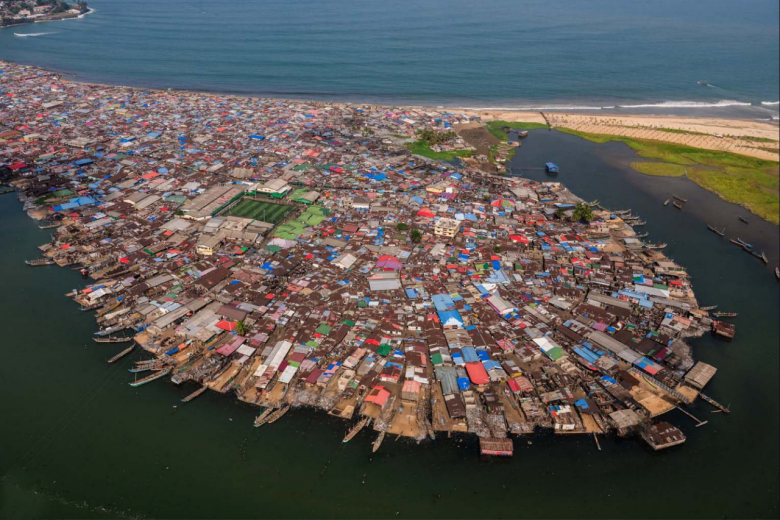
The risks extend beyond coastal communities. Agriculture contributes about 38 percent of Liberia’s gross domestic product and employs nearly 70 percent of its population, according to the national climate plan. Unpredictable rainfall and rising temperatures threaten agricultural production, while flooding damages roads. About 85 percent of the country’s road network is unpaved, leaving transportation and access to markets and essential services vulnerable to heavy rainfall.
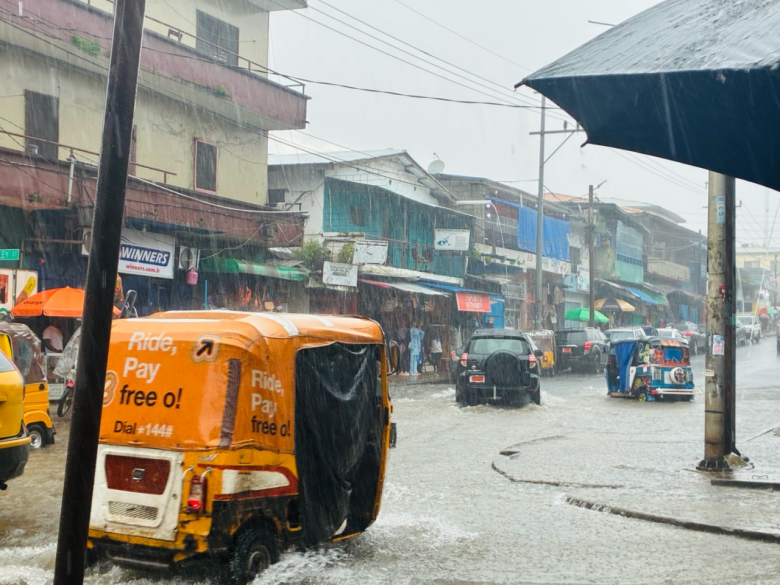
Mendscole said the urgency of financing adaptation was also reflected in figures presented during 2026 Climate Resilient Watch discussions on Liberia’s National Adaptation Plan. He cited estimates that flooding in 2025 affected more than 72,000 households across nine communities in Liberia, while approximately 650,000 children were exposed to flooding and 1.2 million to drought.
He said the figures reinforced the need to invest in practical adaptation measures, including early-warning systems, resilient water and sanitation services, coastal protection, mangrove and wetland restoration, and climate-resilient agriculture.
Liberia’s NDC 3.0 sets a target of reducing greenhouse gas emissions by 64 percent by 2035. Ten percentage points are expected to be achieved using domestic resources, while the remaining 54 percentage points depend on international financial and technical support.
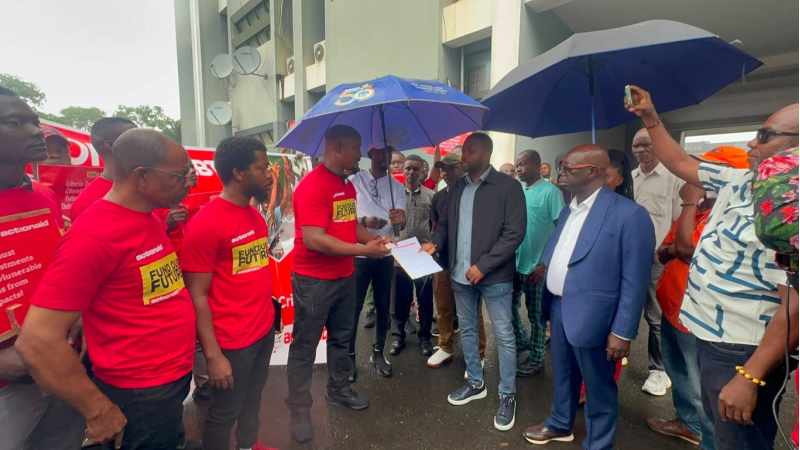
The country’s reliance on external climate finance has also raised concerns about debt. ActionAid Liberia’s September 2026 policy brief, Who Bears the Cost? Debt, Climate and the People Who Pay the Price, examines the relationship between public debt, climate vulnerability and the burden on communities.
At the October 30 national preparatory meeting in Monrovia, Z. Elijah Whapoe, the EPA’s Manager of Planning and Policy, said Liberia wanted climate finance to be provided primarily through grants rather than loans that could increase its debt burden.
“We want money that’s grant-based. We don’t want you to credit us,” Whapoe said.
Liberia is also seeking greater direct access to funding through mechanisms such as the Green Climate Fund, the Least Developed Countries Fund and the Adaptation Fund. It wants national institutions to be better positioned to access these resources through accreditation, reducing reliance on intermediaries.
Mendscole identified complex application procedures, limited capacity to develop investment-ready projects, weak coordination and delays between approval and disbursement as barriers. He said community-based organizations and local institutions often struggle to meet the technical and reporting requirements attached to funding.
He called for transparent reporting on how much climate finance is approved and disbursed, how long disbursement takes and how resources are distributed among institutions, communities and counties. Such reporting, he said, should also identify beneficiaries by age, sex and disability.
Arthur R.M. Becker, the EPA’s Director for Multilateral Environmental Agreements, said Liberia was working to incorporate climate priorities into domestic development planning. He said the Ministry of Finance and Development Planning had participated in developing the National Adaptation Plan and had a focal point for climate finance to improve coordination between environmental priorities and national budgeting.Liberia is also seeking to expand the economic value of its forests through international carbon markets, where companies or countries purchase credits representing verified reductions or removals of greenhouse gas emissions.
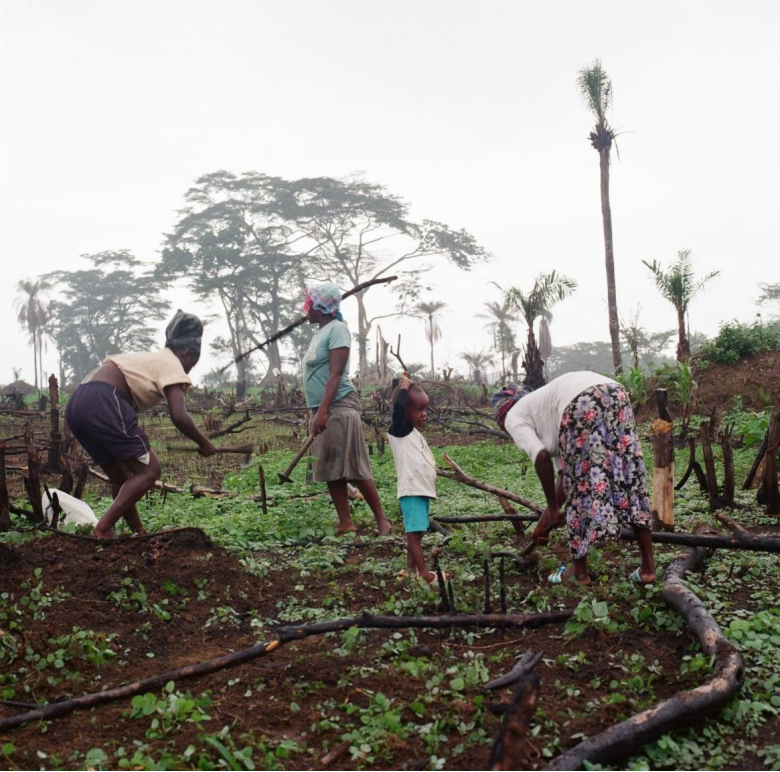
But questions about community participation, land rights and the distribution of revenue have followed the country’s plans to monetize its forests.
In September 2025, FrontPage Africa reported concerns from campaigners and forest-dependent communities about whether they would have meaningful participation in decisions involving their land and resources. An August 2025 ActionAid report, Caution Required: Protecting Communities from Carbon Markets, also raised concerns about free, prior and informed consent and called for safeguards to protect communities’ rights.
In September 2026, the EPA announced that a consolidated National Carbon Market Policy had been presented to President Joseph Boakai. The proposed policy establishes the Carbon Markets Authority as the principal regulator and provides for a national carbon registry to track authorized credits.
Under the proposed revenue-sharing arrangements, 10 percent of net proceeds from credits generated using government-owned resources would go to affected communities, while 40 percent would support national social, educational and health programmes. Where the carbon-generating resource belongs to a community or private landowner, 50 percent of net proceeds would go to the owner.
At the October 30 meeting, Whapoe said Liberia wanted communities that protect forests and other natural resources to benefit from investments involving them.
“Carbon sovereignty, we want our people to benefit,” he said.
The policy has been presented to the president, but its implementation will determine how the proposed safeguards and revenue-sharing arrangements work in practice.
Loss and damage is another priority for Liberia at COP31. The issue concerns support for countries and communities experiencing climate impacts that cannot be avoided through adaptation alone.
Yarkpawolo said Liberia would seek greater capitalization of the Loss and Damage Fund and simpler procedures for vulnerable countries to access assistance.
Mendscole said the country should prioritize predictable, accessible and grant-based finance for adaptation and loss and damage, while strengthening national institutions, local authorities and civil society organizations.
“Climate finance must be measured by the resilience it creates for people on the frontlines, not only by a commitment made internationally,” he said.
At COP31, Liberia will work through the African Group of Negotiators, the Least Developed Countries Group and the Group of 77 and China, a coalition of more than 130 developing countries that coordinates common positions in UN negotiations, to advance its climate priorities alongside other developing countries.
The EPA said more than 150 people had registered for the Liberian delegation, including government officials, civil society representatives, young people, media workers, persons with disabilities and Liberian students studying in Türkiye. Liberia has also secured a national pavilion and plans more than 50 side events on climate finance, adaptation, loss and damage, forestry, gender and youth participation.
At the October 30 preparatory meeting, Becker said Liberia’s participation should be assessed by the quality of its engagement, the partnerships established, the resources mobilized and the contribution of conference outcomes to national climate action.
This story was produced as part of the COP31 Climate Change Media Partnership,a journalism fellowship organized by Internews’ Earth Journalism Network, Informed Earth and the Stanley Center for Peace and Security.
Support Independent Journalism
Your support helps FrontPage Africa continue delivering independent, credible, and impactful journalism. Every contribution strengthens our ability to investigate, inform, and hold power accountable while keeping quality journalism accessible to our readers.
Support our journalism or subscribe to receive the latest FrontPage Africa stories and updates.