Farmington, Margibi County – National Correspondents of the Regional Intelligence Liaison Offices (RILOs) for West Africa and Central Africa have adopted series of recommendations aimed at strengthening regional customs intelligence-sharing, improving cross-border cooperation and enhancing the capacity of Customs Administrations to combat illicit trafficking and transnational organized crime.
By Emmanuel Weedee-Conway
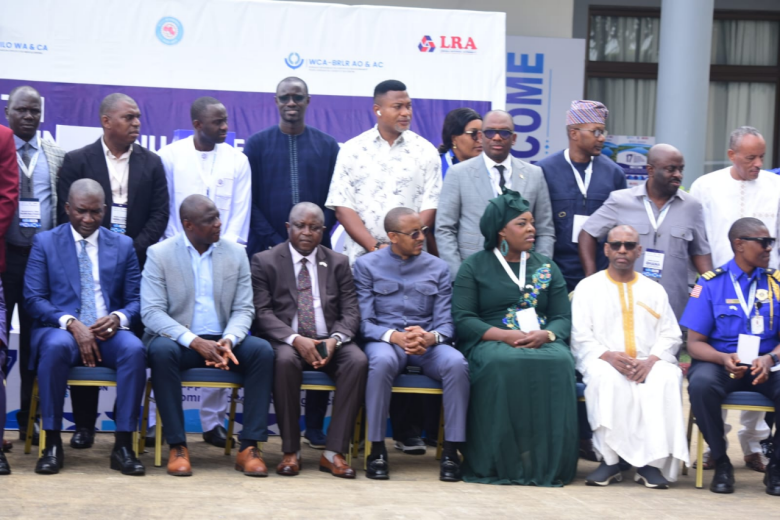
The recommendations were adopted at the climax of the 17th Joint Annual Meeting of National Correspondents of RILO West Africa and RILO Central Africa, held from November 2 to 6, 2026 at the Farmington Hotel in Margibi County, Liberia.
Held under the theme: “Intelligence and Regional Cooperation in Support of Vigilant Customs Administrations Committed to Protecting Society,” the five-day meeting brought together National Correspondents, customs officials, regional intelligence experts and representatives of the World Customs Organization (WCO) to examine operational challenges and identify practical measures to strengthen regional cooperation.
Among the major recommendations, delegates at the gathering called for stronger coordination between the two RILOs, faster and more effective intelligence-sharing mechanisms, increased operational cooperation, and the deployment of adequate personnel to regional structures to improve coordination and efficiency.
They also urged the WCO Vice-Chairperson for the West and Central Africa Region and the RILOs to support member administrations in strengthening their national legal frameworks to address customs fraud, illicit trafficking and other related offences.
The delegates further recommended sustained capacity-building programmes for customs officers, particularly in risk management, intelligence analysis, information management and targeting.
Emphasis was also placed on the systematic collection, analysis, dissemination and use of operational intelligence to support risk-based interventions and enforcement activities.
To improve accountability and operational effectiveness, the meeting called for periodic assessments of regional activities, capacity-building initiatives and intelligence-sharing mechanisms.
Other recommendations included strengthening cooperation between the regional offices and the WCO’s global intelligence network, providing adequate technical and financial resources to the RILOs, and establishing mechanisms to recognize and motivate National Correspondents.
“We therefore encourage Customs Administrations to strengthen cross-border cooperation, exchange operational experiences and best practices, and review applicable national sanctions to deter illicit trafficking and illicit financial flows,” read the recommendation.
On the financing of intelligence operations, they recommended transparent and legally regulated mechanisms, consistent with national customs legislation, to provide appropriate funding for operational activities.
National Correspondents Urged To Strengthen Reporting And Information Exchange
The meeting also outlined specific responsibilities for National Correspondents, recognizing their strategic role in connecting national Customs Administrations to the regional intelligence network.
They were urged to complete their registration on the Customs Enforcement Network (CEN) platform and obtain access to relevant WCO and RILO online platforms.
National Correspondents were further encouraged to ensure the systematic transmission of information from the nCEN and CENcomm systems to the Customs Enforcement Network, in accordance with established WCO procedures.
The CEN, nCEN and CENcomm platforms are three complementary digital tools developed by WCO to strengthen customs intelligence, information management, international cooperation and the fight against illicit trade and transnational organized crime.
The delegates also called for effective information-sharing arrangements between National Correspondents and the RILOs, as well as the preparation and submission of annual activity reports in English and French using the approved reporting template.
Additionally, National Correspondents were encouraged to produce periodic intelligence reports highlighting emerging trends in customs fraud, new threats, developments in the intelligence environment and relevant operational activities.
They were also urged to maintain regular communication with the RILOs, respond promptly to intelligence requests and actively participate in regional initiatives, joint operations and training programmes.
The recommendations were reviewed, validated and adopted by the delegates, who reaffirmed their commitment to ensuring their implementation through stronger collaboration among National Correspondents, the two RILOs, the WCO Secretariat and member Customs Administrations.
RILO West Africa Director Calls for Practical implementation
Addressing delegates, the Director of RILO West Africa, Amandu Tejan Sesay, said the success of the meeting would ultimately be measured by the actions participants take upon returning to their respective countries.
In his closing remarks, Sesay commended participants for their active engagement, openness and willingness to discuss both the achievements and challenges facing the regional intelligence network.
He expressed appreciation to the Government of Liberia, the Liberia Revenue Authority and the various teams that supported the organization of the meeting.
He also acknowledged the contributions of the WCO Secretariat, the WCO Vice-Chairperson for the West and Central Africa Region, RILO Central Africa, technical experts, resource persons and other stakeholders.
Sesay emphasized that their responsibilities extend beyond receiving and forwarding information, describing them as essential links between the regional intelligence network and the operational realities within their respective countries.
“I want to encourage National Correspondents to communicate the meeting’s conclusions and recommendations to their respective authorities and relevant operational services to ensure the necessary actions and institutional support,” asserted Sesay.
He stressed that National Correspondents must have clear mandates, adequate institutional backing and appropriate working conditions to perform their responsibilities effectively.
Intelligence-sharing Critical to Combating Transnational Crime
The RILO West Africa Director further underscored the importance of accurate, timely and actionable intelligence in preventing illicit trafficking, disrupting criminal networks and protecting communities.
According to him, information collected by Customs Administrations can only produce meaningful results when it is sufficiently precise, transmitted to the appropriate recipients and acted upon promptly.
He called for intelligence-sharing to become a consistent practice supported by mutual trust, regular communication and effective follow-up on information requests.
The RILO regional director also highlighted discussions on the CEN, nCEN and CENcomm platforms, noting that they had exposed technical and operational needs requiring further engagement with the WCO Secretariat.
He assured participants that RILO West Africa and RILO Central Africa would continue supporting National Correspondents and coordinating with the WCO Secretariat to address identified challenges.
He also encouraged member administrations to maintain regular dialogue with the RILOs, communicate their operational needs and share the outcomes of their intelligence activities between annual meetings.
“The success of this meeting in Liberia will ultimately be measured not only by the quality of our discussions but, more importantly, by what we accomplish upon returning to our respective countries,” he emphasized.
Director Sesay noted that more comprehensive intelligence reports, timely responses to information requests and successful interventions based on shared intelligence would demonstrate the practical value of the meeting.
Liberia commended for hosting regional meeting
Delivering closing remarks on behalf of the National Correspondents, Diya Abedzin-Porshia, one of the delegates, expressed profound appreciation to the Government and people of Liberia for hosting the regional gathering.
She particularly commended the Liberia Revenue Authority (LRA) and the organizing committees for their hospitality, logistical support and commitment to ensuring the successful conduct of the meeting.
She also acknowledged the contributions of the Directors of RILO West Africa and RILO Central Africa, Sesay and Ibrahim Njoya respectively for their leadership and continued efforts to strengthen the regional intelligence network.
Special recognition was given to Abel Sneh, Liberia’s National Correspondent, for his dedication, availability and contribution to the smooth organization of the meeting.
Abedzin-Porshia pointed out that the gathering had reaffirmed the collective commitment of National Correspondents to strengthening collaboration, intelligence-sharing and the pooling of resources and expertise among Customs Administrations.
She then urged participants to translate the commitments and recommendations adopted during the meeting into practical actions that would strengthen regional cooperation and improve responses to emerging security threats and cross-border criminal activities.
Support Independent Journalism
Your support helps FrontPage Africa continue delivering independent, credible, and impactful journalism. Every contribution strengthens our ability to investigate, inform, and hold power accountable while keeping quality journalism accessible to our readers.
Support our journalism or subscribe to receive the latest FrontPage Africa stories and updates.