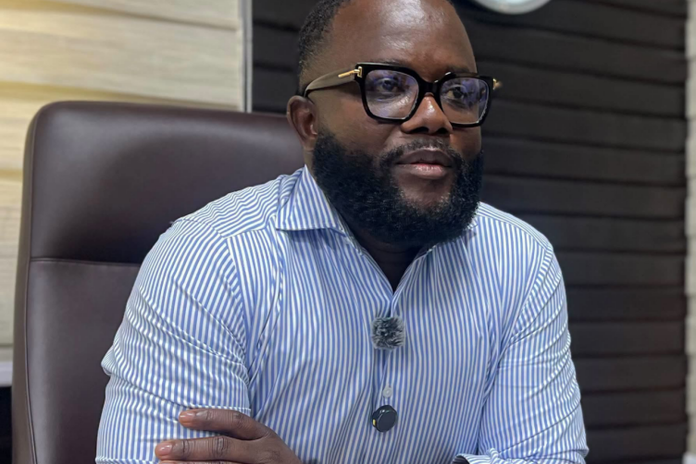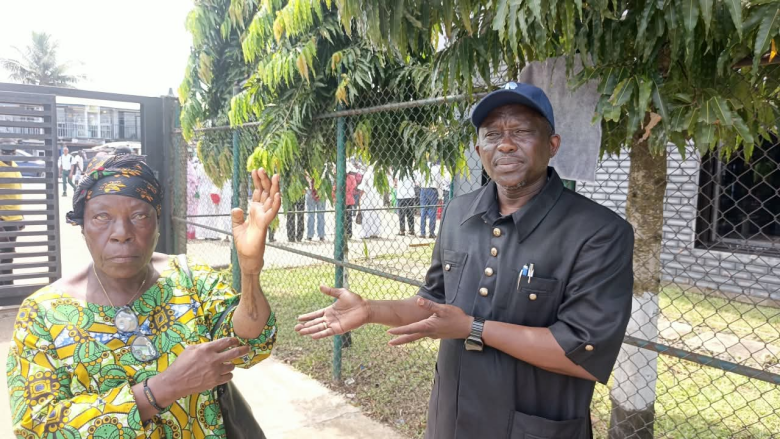
MONROVIA – The Executive Director of the Office for the Establishment of the War and Economic Crimes Court for Liberia (OWECC-L), Cllr. Jallah A. Barbu, has expressed growing doubts about the political will of Liberia’s leadership to establish the long-awaited War and Economic Crimes Court, citing persistent legislative delays despite sustained engagements with the government.
By: Anthony Gray
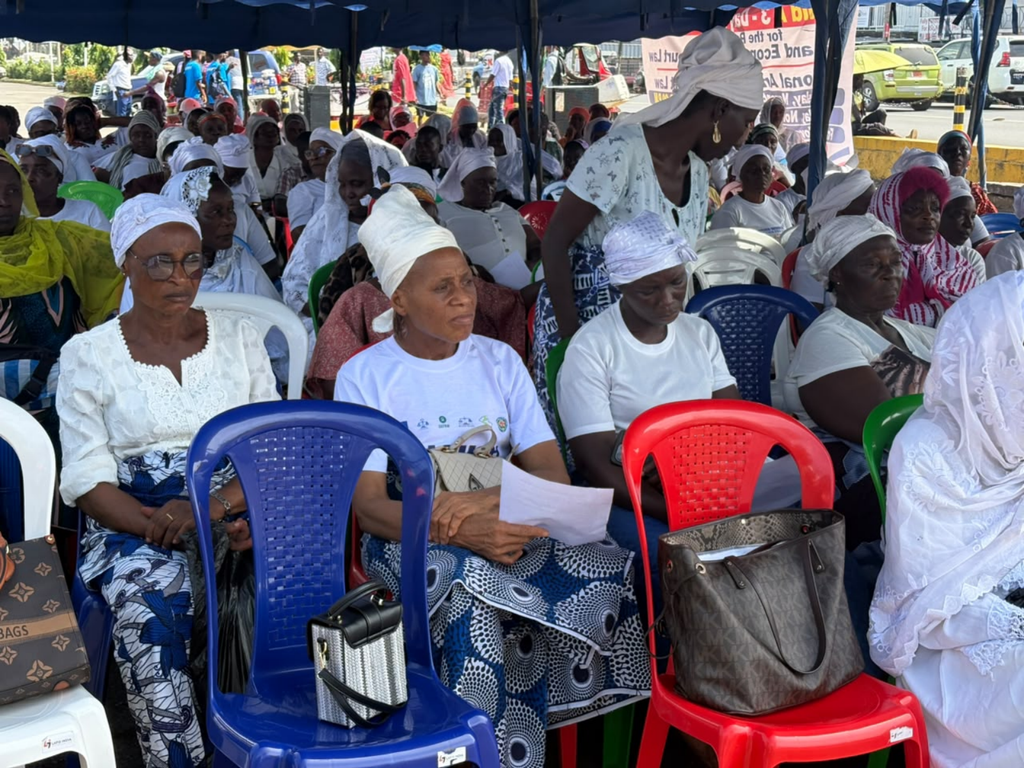
Speaking on Wednesday, November 4 during a three-day fast and prayer organized by Liberian women on the grounds of the historic Fish Market in Monrovia, Cllr. Barbu said efforts to secure legislative support for the proposed court have yet to produce concrete results.
The women gathered at the historic location to seek God’s intervention for the establishment of the court, which is expected to address war crimes, crimes against humanity and other serious violations committed during Liberia’s civil conflicts.
Cllr. Barbu disclosed that lawmakers had promised to consult their constituents during their recently concluded legislative break before taking further action on the proposed legislation.
However, he expressed disappointment, saying that, to his knowledge, not a single lawmaker has been publicly identified as having conducted such consultations.
He described the continued delays as unnecessary, warning that the lack of tangible progress is raising questions about the Legislature’s commitment to establishing the court.
The OWECC-L boss also questioned the Executive Branch’s commitment, recalling that President Joseph Nyuma Boakai promised during his presidential campaign to bring relief to war victims by ensuring justice for those responsible for atrocities committed during the civil wars.
Cllr. Barbu said the President’s subsequent promise to fast-track the establishment process has yet to produce the expected results, further deepening concerns about the political will to make the court a reality.
The proposed court is expected to provide a judicial mechanism for prosecuting individuals responsible for grave violations committed during Liberia’s civil conflicts, while advancing accountability and national healing.
For victims and survivors who have waited decades for justice, the establishment of the court represents a critical step toward addressing the atrocities of the country’s civil wars and ending impunity.
As the women continue their three-day spiritual exercise, their appeal for divine intervention comes amid growing calls for lawmakers and the Executive to translate their commitments into concrete action.
The central question remains whether Liberia’s political leadership will move beyond promises and deliver the justice that victims and survivors have long demanded.
Support Independent Journalism
Your support helps FrontPage Africa continue delivering independent, credible, and impactful journalism. Every contribution strengthens our ability to investigate, inform, and hold power accountable while keeping quality journalism accessible to our readers.
Support our journalism or subscribe to receive the latest FrontPage Africa stories and updates.