Part I
A Personal Perspective After Close to 22 Years of Service at the FDA; Formally as a Communicator and presently Pretty Sitting as An Intergovernmental or Liaison Director
These roles and responsibilities provided spectacles that enabled me piercing through the various ministries, agencies, private sector communities and providing a diagnostic thoughts for readers to pick and intern connected to the
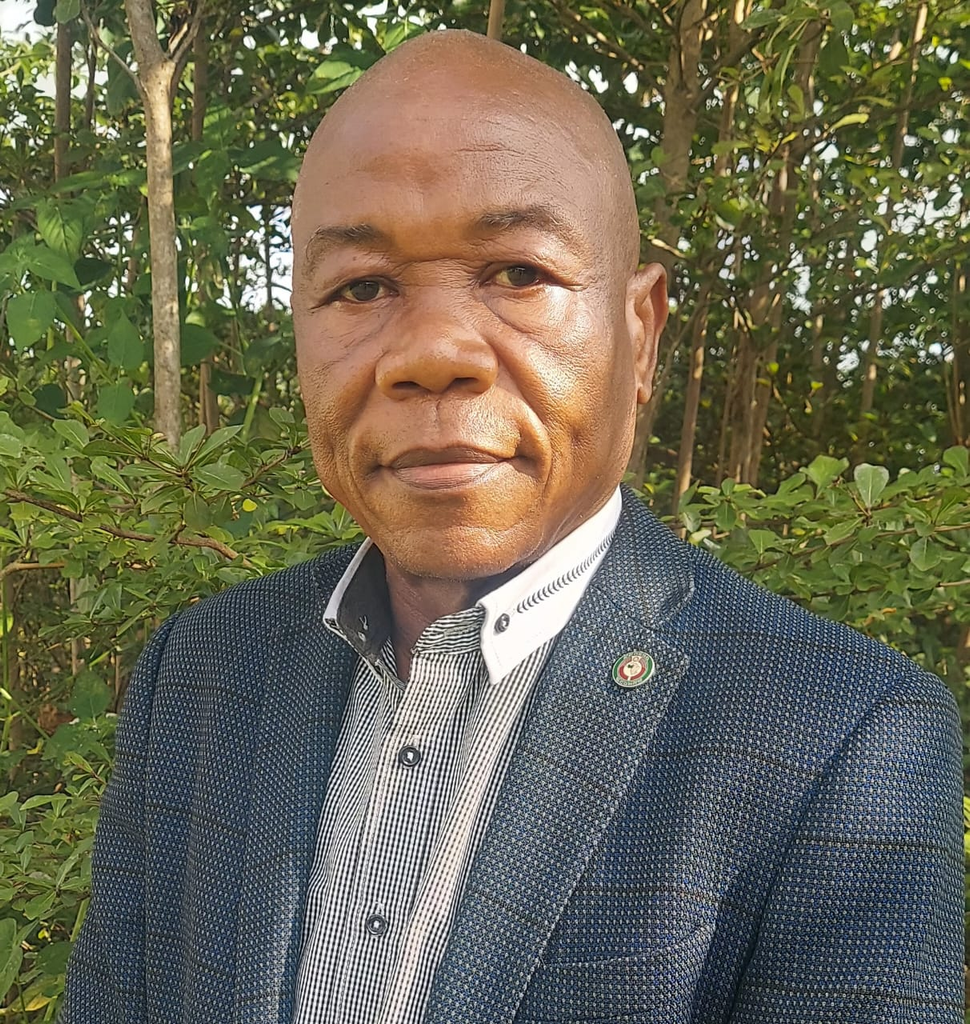
By Richie Garley Grear
Formerly: Communication Director
Presently: Intergovernmental or Liaison Director
After nearly 21 years serving the Government of Liberia through the Forestry Development Authority (FDA) as a communicator and intergenerational practitioner, I write not as a professional forester, but as an insider who has watched the sector struggle in silence.
At public hearings, in workshops, and on radio, I often hear Liberians accuse the FDA of underperformance, incompetence, or siding with logging companies against communities. As a long-serving staff, I could defend the institution, but the truth is deeper: the public does not know how much the fundamentals of the sector have been broken.
Where It Started
In 2003, the UN Security Council placed sanctions on Liberian timber. Those sanctions ushered in the forestry reforms of 2006. The intention was noble: to shift from traditional logging practices and ensure forests benefit the custodians – the forest communities.
But in changing the system, we removed the fundamentals that made the sector functional.
The Real Problem
Since the 2006 National Forestry Reform Law, every management at FDA has faced the same bottleneck and ended on the same square. It is not that Managing Directors do not understand the sector. The law itself ties their hands.
The autonomous status of FDA was taken away. Commercial, community, and conservation forestry were all carved into a rigid legal framework that never anticipated today’s reality. The result is like tying a person’s hands behind their back and pushing them into a river, then blaming them for not swimming.
Consequences are visible:
- Logging concessions cannot cope with harsh, unrealistic laws.
- Communities do not understand benefit-sharing and feel cheated.
- Revenue meant for affected communities is not remitted as expected.
- The EU Voluntary Partnership Agreement (VPA) is struggling and now transitioning under a new name, EU Forest Partnership, without clarity.
Conclusion
No Managing Director, from 2006 to present, can function fully under the current arrangement. To call FDA nonfunctional without fixing the law is unfair.
Recommendations
- Review the 2006 Law: The reform itself called for review after 5-10 years. That time passed long ago. Government must conduct a national Consultation, Evaluation and Validation of the law.
- Restore Autonomy: Return full autonomous status to FDA to allow professional and financial independence.
- Restore Fundamentals: Re-inject traditional best practices that worked – blending them with modern community forestry principles.
- Clarify Community Benefits: Simplify the benefit-sharing mechanism so communities understand and actually receive what is due them.
- Re-engage Partners: Conduct open dialogue with concessionaires, communities, and the EU on the Forest Partnership to avoid collapse.
- National Forestry Dialogue: President Boakai should convene an all-stakeholder forestry conference to reset the sector.
The forest is Liberia’s greatest asset. If we want it to transform Liberia into a middle-income country, we must fix the foundation
Support Independent Journalism
Your support helps FrontPage Africa continue delivering independent, credible, and impactful journalism. Every contribution strengthens our ability to investigate, inform, and hold power accountable while keeping quality journalism accessible to our readers.
Support our journalism or subscribe to receive the latest FrontPage Africa stories and updates.