FENDALl —The University of Liberia (UL) has thrown its weight behind a potential strategic partnership with the European Union-funded Strengthening Artisanal Fishing (SAFish) Value Chain Project, a US$30 million initiative seeking to transform Liberia’s small-scale fisheries sector and unlock new opportunities within the country’s emerging blue economy.
By Patience M. Jones,[email protected]
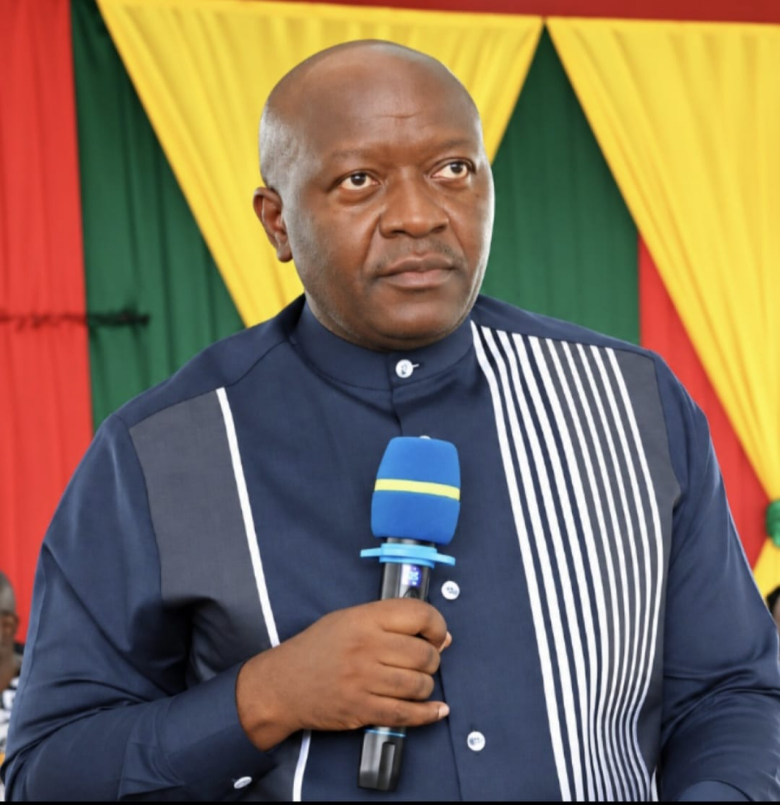
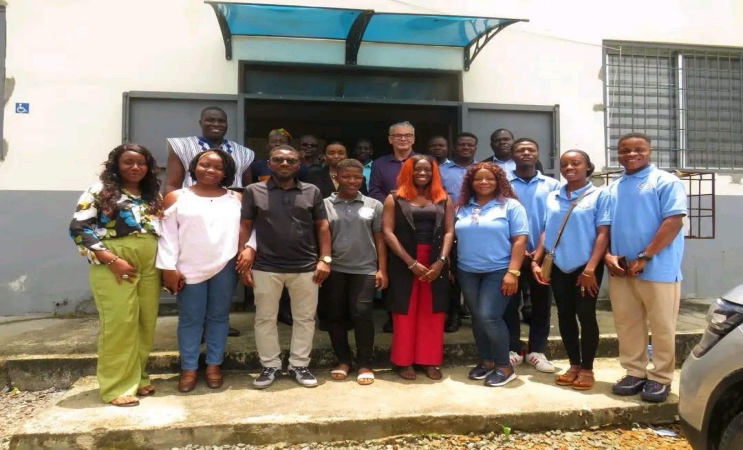
UL President Prof. Dr. Layli Maparyan expressed the institution’s strong support for the proposed collaboration during an engagement between SAFish and the University’s Department of Fisheries and Aquaculture Sciences (DoFAS) on Tuesday, September 8 at the department’s academic building in Fendall.
The proposed partnership could see the University and SAFish collaborate on curriculum development, fisheries research, student exposure, professional training, scholarships and innovations in fisheries, aquaculture, marine conservation, coastal management and other areas of the blue economy.
President Maparyan described the initiative as an important recognition of the progress being made within DoFAS, a relatively new academic program at the University.
“And I think that it is the fruit of many years of hard labor at building up this department and this program here. It’s relatively new, but it’s getting off to an amazing start,” Dr. Maparyan said.
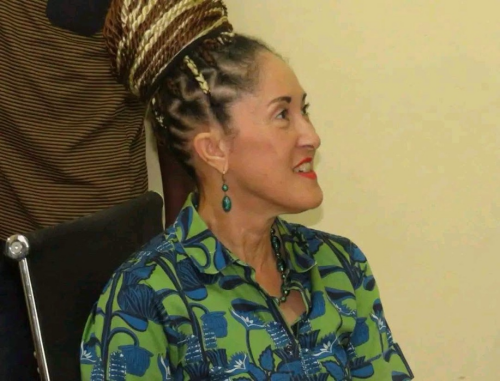
She pledged her “unwavering support” for the engagement, saying the invitation for UL to participate in the initiative demonstrates growing confidence in the University’s capacity to contribute to Liberia’s national development agenda.
According to the SAFish Project, the 60-month initiative runs from July 2026 through June 2031 and is designed to strengthen Liberia’s artisanal fisheries value chain while improving economic inclusion and sustainable livelihoods for fishing communities.
SAFish Targets Small-Scale Fisheries
Presenting the initiative to UL administrators, faculty and students, SAFish Project Manager Dr. Stefan Groenewold said the project is a multi-donor intervention designed to address some of the structural challenges confronting Liberia’s fisheries sector.
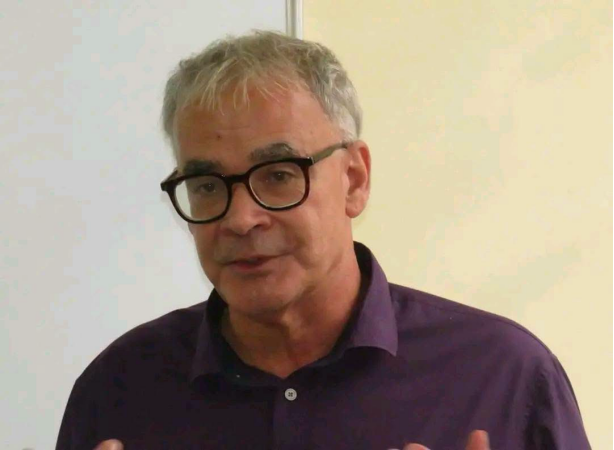
The European Union is among the project’s major donors, while Liberia’s National Fisheries and Aquaculture Authority (NaFAA) is one of its principal national partners.
The project will benefit fishers and their families, women and youth in fishing communities, micro-enterprises, the Liberia Artisanal Fishing Association, Village Savings and Loans Associations and other fisheries-related organizations.
Environmental Justice Foundation (EJF) and the Fisheries Transparency Initiative (FiTI) are among the contracted partners, with support from the German government.
Dr. Groenewold said Liberia’s fisheries sector faces serious challenges, including overfishing and the over-exploitation of five of the country’s eight commercially important fish species.
He also pointed to weaknesses in fisheries monitoring and stock assessment, post-harvest losses, inadequate fish landing facilities, product quality, fisheries governance and law enforcement.
The project, he said, will also contribute to efforts to combat illegal, unreported and unregulated (IUU) fishing while strengthening local institutions and supporting NaFAA’s decentralization efforts.
University Critical to Long-Term Sustainability
For Dr. Groenewold, the involvement of academic institutions is essential if development interventions are to produce lasting results.
Drawing on his previous experience working with universities in Bangladesh on fisheries, marine conservation and blue economy initiatives, he described universities as a critical link between development projects and the long-term preservation of knowledge.
“I see them as a kind of anchor, anchoring for sustainability, anchoring the knowledge and the kind of guarantee for knowledge that will be transferred to the future,” he said.
He disclosed that SAFish plans to support curriculum development and selected research initiatives in collaboration with relevant academic institutions.
The project also has a scholarship component that will be implemented alongside other interventions.
Dr. Groenewold said the partnership could extend beyond DoFAS to other departments of the University, government institutions, technical and vocational education and training (TVET) institutions and organizations involved in fisheries and related sectors.
Unlocking the Blue Economy
Beyond addressing overfishing, SAFish is seeking to help Liberia identify and develop new economic opportunities within its fisheries value chain.
Dr. Groenewold said the project is considering the development of a fish market guide that could expand market opportunities beyond the eight major commercial fish species currently recognized.
According to him, the initiative could identify between 20 and 30 fish species with economic potential, thereby creating new opportunities for fishers, processors, traders and consumers.
“We would like to see really more products, more Liberian products, more products from small-scale fisheries, also in the supermarkets, whether deep frozen or not, or processed in another different way,” Dr. Groenewold said.
He said strengthening fishermen’s organizations, Collaborative Management Associations and access to financial and non-financial services will also be central to the project.
Many small entrepreneurs and fishing associations, he noted, have innovative ideas but lack the capital and technical support needed to turn those ideas into sustainable businesses.
SAFish therefore intends to improve access to these services, particularly at the county level.
Preparing Liberians for the Blue Economy
Dr. Groenewold also challenged traditional approaches to fisheries education, noting that modern fisheries professionals require skills beyond fish biology, fishing gear, fishing methods and stock assessment.
He said the expanding blue economy requires professionals with knowledge in economics, bioeconomic modeling, governance, innovation and other related disciplines.
The shift, he noted, is necessary as countries increasingly look to their marine and coastal resources to create jobs, stimulate innovation and generate sustainable economic opportunities.
Reeves Taylor Welcomes Partnership
University of Liberia Vice President for Academic Affairs and Provost Dr. Agnes Reeves Taylor welcomed the proposed partnership, describing collaborations of this nature as important to strengthening the institution’s academic mission and contributing to Liberia’s development.
“Thank you for choosing the university to partner with,” Dr. Reeves Taylor said.
She said the partnership could strengthen academic and skills-based programs while creating additional opportunities for students and faculty.
Dr. Reeves Taylor also commended DoFAS faculty for their continued work and expressed confidence that students trained through such initiatives could become the next generation of professionals driving Liberia’s fisheries sector.
DoFAS Pledges Full Support
Chairman of DoFAS, Dr. Alvin Jueseah, pledged the department’s full cooperation throughout the lifespan of the SAFish project.
“We know that this is going to be a long collaboration throughout the lifespan of the project. And we are happy in whatever capacity you want the Department of Fisheries to be supportive. We are there and ready to support you,” Dr. Jueseah said.
He said the proposed partnership presents opportunities for joint research, curriculum development and professional training.
Dr. Jueseah further disclosed that DoFAS is considering establishing a specialized program in marine spatial planning and coastal management.
He believes the proposed program could benefit from SAFish’s technical expertise and field experience.
“And then we can collaboratively develop that curriculum to learn so that we can train young Liberians interested in specializing in these kinds of areas,” he added.
The proposed SAFish-UL partnership comes as Liberia seeks to strengthen its fisheries sector, protect marine resources and capitalize on the economic potential of its blue economy.
For the University of Liberia, the engagement could further position its fisheries program as a bridge between academic knowledge, scientific research, innovation and the country’s broader development priorities.
Support Independent Journalism
Your support helps FrontPage Africa continue delivering independent, credible, and impactful journalism. Every contribution strengthens our ability to investigate, inform, and hold power accountable while keeping quality journalism accessible to our readers.
Support our journalism or subscribe to receive the latest FrontPage Africa stories and updates.