MONROVIA, Liberia — What began as an international learning opportunity in Spain has evolved into a nationally driven campaign to strengthen information integrity and democratic participation among young Liberians.
By Patience M. Jones,[email protected]
Award-winning Liberian journalist, fact-checker and social worker Aria Deemie is leading efforts to equip young people with the skills to identify misinformation, verify information and promote responsible digital citizenship in an increasingly complex online environment.
Through the United Nations Development Programme (UNDP)-managed Liberia Electoral Support Project (LESP), Deemie has transformed her international experience into a growing youth-led initiative aimed at building a more resilient democracy.
“The success of this initiative will be measured not simply by what participants learn today, but by the conversations they influence afterwards, the peaceful dialogue they promote, and the positive examples they set within their communities,” said Katherine Green, UNDP Chief Technical Advisor for the Liberia Electoral Support Project.
Turning Global Learning into Local Action
As social media continues to reshape public debate in Liberia, young people are playing an increasingly influential role in civic and political discussions. While digital platforms have expanded opportunities for participation, they have also contributed to the rapid spread of misinformation, disinformation and hate speech—particularly during politically sensitive periods.
These challenges, according to UNDP, threaten public trust in democratic institutions and undermine social cohesion.
To address the growing concern, LESP localized global best practices in media and information literacy to help young Liberians critically assess information, engage responsibly online and participate meaningfully in democratic processes.
The initiative supports Portfolio One: Digital Transformation and Youth Empowerment under the UNDP Country Programme for 2026–2030 and contributes to the Government of Liberia’s ARREST Agenda for Inclusive Development.
For Deemie, the journey began in 2025 when she was competitively selected to represent Liberia at the UNDP-UNESCO Media and Information Literacy for Youth in Elections (MIL4Elections) Programme during the 24th University on Youth and Development in Spain.
Alongside 20 young leaders from around the world, she explored how media literacy and information integrity could strengthen democratic processes in the digital age.
But rather than keeping the knowledge she gained to herself, Deemie developed a proposal to bring the training back home to Liberia.
Her proposal was among a select number globally approved for implementation with support from Global Affairs Canada through the Project for Resilience and Integrity in the Management of Elections.
With technical and operational support from LESP, the idea moved quickly from concept to action.
A pilot workshop held in Monrovia in March 2026 generated strong interest among participants and partners, who recommended expanding the initiative.
Equipping the Next Generation of Digital Citizens
Responding to that demand, the Liberia Electoral Support Project supported Deemie in conducting a three-part workshop series between July and August 2026 under the theme:
“Media and Information Literacy for Democracy: Strengthening Youth Participation through Information Literacy.”
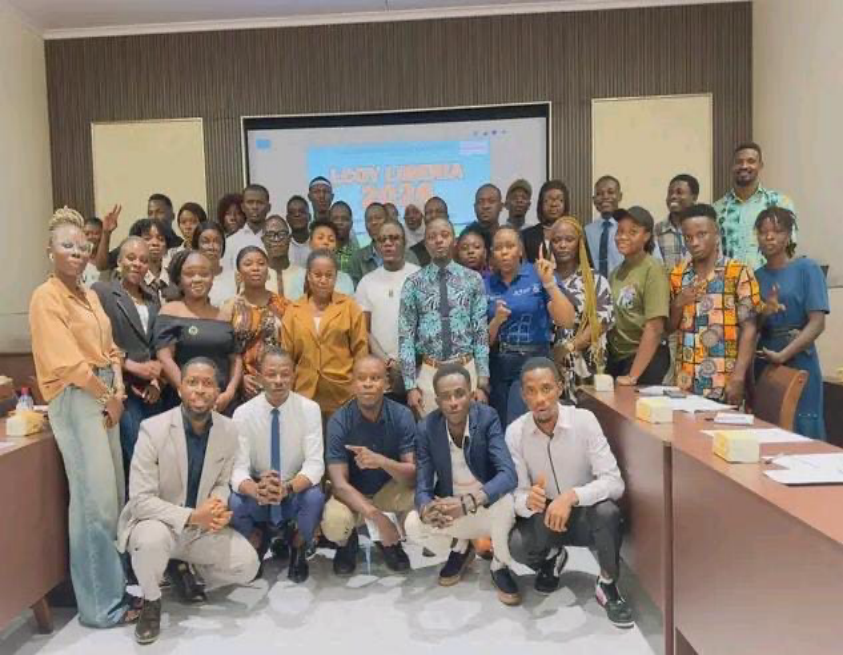
The workshops brought together 55 young leaders from political parties, universities, civil society organizations and the media.
The initiative was implemented in partnership with the National Elections Commission (NEC), Local Voices Liberia and the Press Union of Liberia (PUL).
Using materials adapted from UNDP’s Youth Civic and Political Participation Curriculum and UNESCO’s Journey through the MILtiverse, participants gained practical skills in evaluating online information, identifying misinformation and disinformation, verifying sources and promoting respectful democratic dialogue.
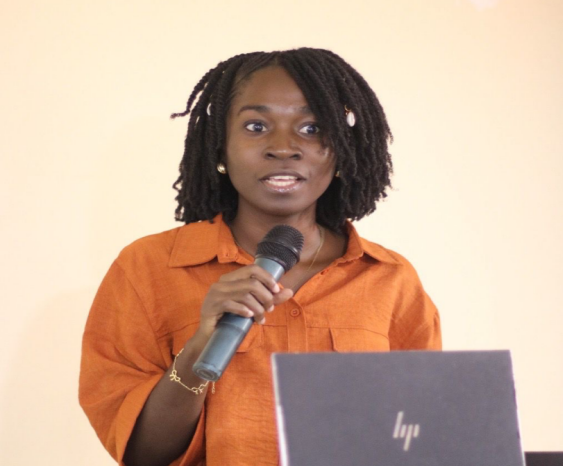
Deemie challenged the young participants to become agents of change within their respective communities.
“I don’t want this to be just another workshop. I want each of you to become peer mentors and take what you’ve learned back to your schools, organizations, communities and online spaces,” she said.
Participants subsequently committed to sharing the knowledge gained through university press clubs, youth organizations and community networks.
More Than Just a Workshop
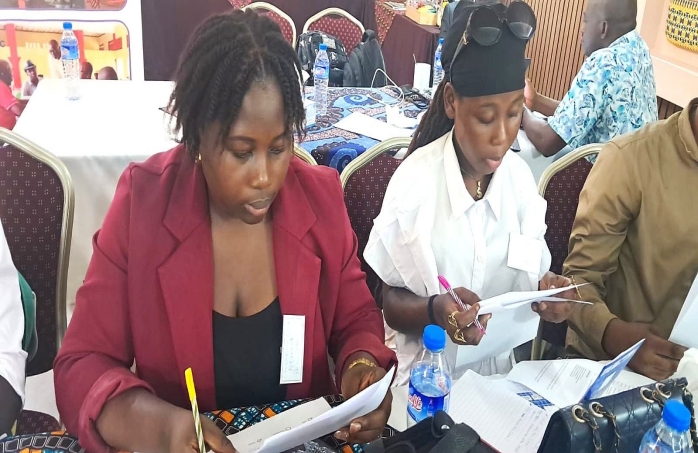
As the training sessions progressed, they became more than technical exercises in identifying false information.
Young people from different political backgrounds, professions and institutions learned to engage with one another respectfully, question information critically and recognize their role as protectors of democratic integrity.
Press Union of Liberia(PUL) President Julius Kanubah underscored the importance of media literacy in strengthening democracy.
“Media and information literacy is not a luxury, but a necessity. It is the foundation for informed participation, accountability, and the defense of press freedom,” Kanubah said.
Similarly, Alpha Daffae Senkpeni, Executive Director of Local Voices Liberia, warned that distorted information ecosystems could fuel conflict and deepen political polarization.
He urged participants to become responsible consumers and producers of information.
A Ripple Effect for Democracy
For UNDP, Deemie’s journey reflects the importance of investing in young people as leaders of democratic transformation.
“What began as a global learning opportunity in Spain has now been transformed into a national initiative equipping young Liberians with practical tools to navigate today’s complex information environment,” Green said.
“We are particularly proud that this effort is being led by a young Liberian whose vision and commitment have transformed international learning into local action.”
Deemie’s work extends beyond the walls of the workshops.
Through an expanding network of trained young leaders, the initiative is helping to build a generation of informed digital citizens committed to promoting facts over rumors, dialogue over division and responsible civic engagement over harmful online behavior.
Her story demonstrates how investment in one young leader can create wider impact across classrooms, newsrooms, political parties, civil society organizations and communities.
The initiative also highlights the potential of globally acquired knowledge when it is locally owned and transformed into national action.
By empowering young Liberians to become champions of information integrity and responsible digital citizenship, LESP is contributing to UNDP’s broader vision of an inclusive, digitally enabled and resilient Liberia—one in which young people are not merely beneficiaries of development but active leaders shaping the country’s democratic future.
The Liberia Electoral Support Project, managed by UNDP and implemented in partnership with UN Women and the Netherlands Institute for Multiparty Democracy (NIMD), with support from the European Union, Irish Aid and Sweden, continues to support national institutions in strengthening electoral governance and democratic resilience in Liberia.
Support Independent Journalism
Your support helps FrontPage Africa continue delivering independent, credible, and impactful journalism. Every contribution strengthens our ability to investigate, inform, and hold power accountable while keeping quality journalism accessible to our readers.
Support our journalism or subscribe to receive the latest FrontPage Africa stories and updates.