Paynesville — Twenty-three years after the signing of the Accra Comprehensive Peace Agreement (ACPA), Liberia is once again confronting its painful past—not to reopen old wounds, but to ensure that the lessons of war are not forgotten and that the country’s peace is built on justice, reconciliation and inclusion.
By Patience M. Jones
The reflection comes as the PeaceGen Liberia “Generation for Peace” project launches a series of community dialogues bringing together survivors, young people, women leaders, civil society actors and government officials to discuss Liberia’s transitional justice journey and explore ways to strengthen national healing.
The first of three planned community dialogue sessions was held in Montserrado under the PeaceGen project, a three-year initiative running from 2026 to 2029, funded by the European Union and co-funded by the Embassy of Ireland.
The initiative is led by the Women NGOs Secretariat of Liberia (WONGOSOL), in partnership with the Kvinna Till Kvinna (KTK) and other Liberian civil society organizations, in collaboration with the Office for the Establishment of the War and Economic Crimes Court for Liberia (OWECC-L).
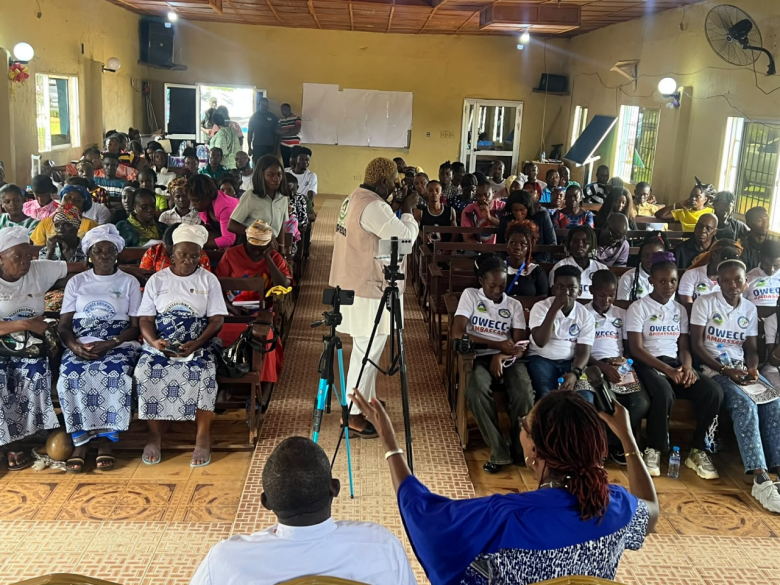
The gathering was designed as a safe and respectful space where participants could share experiences, reflect on Liberia’s history and discuss the country’s unfinished transitional justice process.
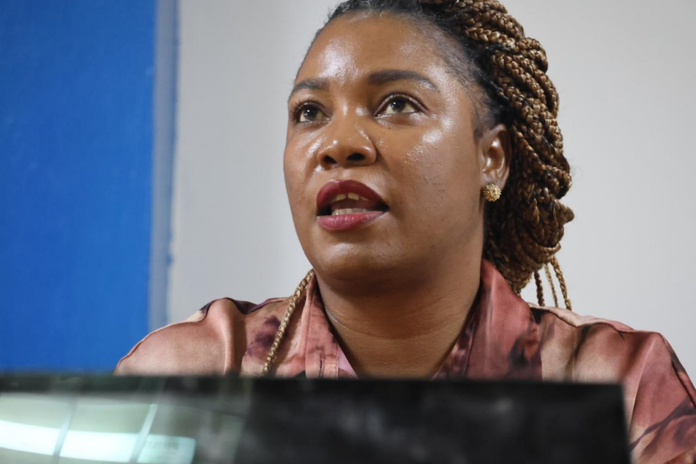
Speaking on behalf of WONGOSOL, Esther S. Davis Yango, described the session as an inclusive and intergenerational platform where survivors and community members could participate without fear.
She emphasized that the dialogue followed survivor-centered and trauma-informed approaches, including informed consent for testimonies, photographs and recordings, while giving participants the right to withdraw from discussions whenever they felt uncomfortable.
23 Years After the Accra Peace Agreement
The Accra Comprehensive Peace Agreement was signed on August 18, 2003, between Liberia’s government, the rebel movements LURD and MODEL, and political parties, formally bringing an end to Liberia’s devastating civil conflict.
The wars, which began in 1989 and later resumed in 1999, claimed an estimated 250,000 lives and displaced hundreds of thousands of Liberians. For many Liberians, however, the signing of the peace agreement did not automatically bring justice, healing or closure.
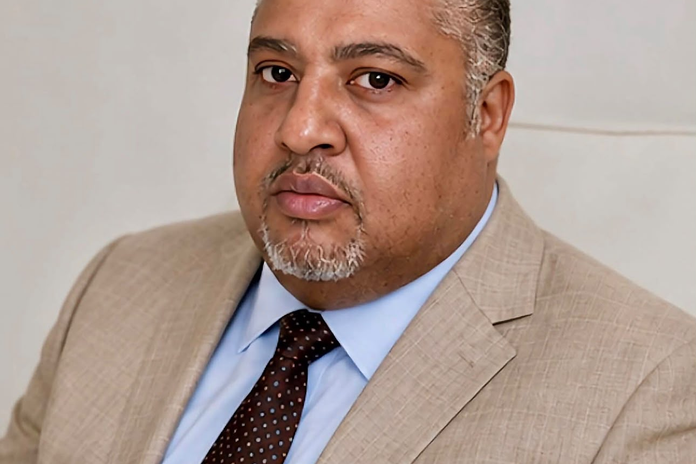
Cllr. Jallah A. Barbu, Executive Director of OWECC-L, told participants that the consequences of the wars continue to influence Liberia’s political and
social environment, particularly through unresolved grievances and a culture of impunity.
The Accra Agreement included commitments toward transitional justice, eventually leading to the establishment of the Truth and Reconciliation Commission (TRC).
The TRC operated between 2005 and 2009, investigating human rights violations dating back to 1979. It produced 207 recommendations covering truth-telling, reparations, accountability and memorialization.
Among its most significant recommendations was the creation of an extraordinary criminal court to prosecute individuals responsible for serious crimes committed during Liberia’s conflicts.
For years, that recommendation remained largely unimplemented. The issue of accountability has gained renewed attention in recent years.
Liberia’s Legislature passed a joint resolution in April 2024 supporting the establishment of a war crimes court, which was subsequently approved by President Joseph Nyuma Boakai, Sr. Executive Order 131 later established OWECC-L to begin laying the institutional foundation for the proposed court.
In May 2026, President Boakai transmitted legislation to the Legislature seeking the formal establishment of a War and Economic Crimes Court and an Anti-Corruption Court.
For Cllr. Barbu, accountability should not be viewed as revenge. He argued that addressing serious crimes through fair and independent legal processes is necessary to strengthen the rule of law, rebuild public confidence and prevent grievances from being transferred from one generation to another.
He called for the proposed court to meet international fair-trial standards, prioritize individuals bearing the greatest responsibility and establish adequate witness protection mechanisms before prosecutions begin.
“Memory Without Reconciliation Becomes Bitterness”
Delivering the keynote address, Sheikh S. S. Kamara, Executive Director of the Liberia Peacebuilding Office, challenged participants to consider three fundamental questions:
What do we remember? What have we reconciled? And what must we do next? Participants observed a moment of silence in honor of victims of Liberia’s civil wars.
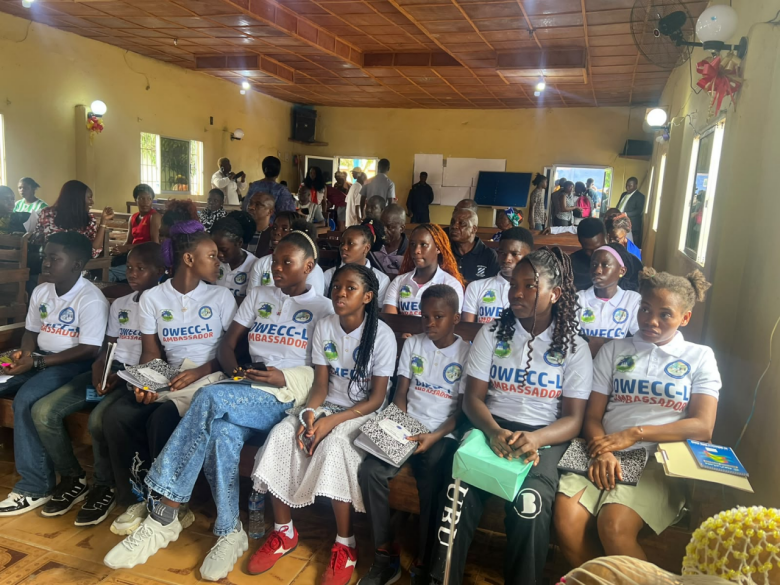
Kamara also paid tribute to the Women in Peacebuilding Network (WIPNET) and the Liberian women whose historic peace activism in Accra in 2003 contributed to pressure on Liberia’s warring factions to reach a settlement.
He acknowledged that reconciliation remains unfinished, noting that several TRC recommendations have yet to be fully implemented and that many communities and young Liberians continue to feel excluded from the benefits of peace.
His message was clear: memory and reconciliation must move together.
Without memory, he warned, reconciliation can become denial; without reconciliation, memory can turn into bitterness.
This is where PeaceGen seeks to make a difference. The initiative was launched in Monrovia on June 23, with the aim of strengthening Liberia’s capacity for conflict prevention, peacebuilding, reconciliation and transitional justice.
PeaceGen places particular emphasis on women and young people, recognizing them not merely as beneficiaries of peacebuilding programmes but as active leaders and decision-makers in shaping Liberia’s future.
The project focuses on peacebuilding and conflict prevention, transitional justice, national healing, youth participation, women’s leadership, intergenerational dialogue, community engagement and peace-focused media.
It also seeks to strengthen civil society organizations, youth leaders, women leaders and journalists to contribute more effectively to peaceful and inclusive communities.
The project is being implemented across five counties—Montserrado, Bomi, Bong, Nimba and Grand Bassa—with additional national-level advocacy and coordination activities.
The next community dialogues are scheduled for Bomi County on August 21 and Bong County on August 25.
The project seeks to equip young people with the knowledge, leadership skills and platforms needed to contribute to Liberia’s Youth, Peace and Security agenda.
Through mentorship, advocacy, capacity building and intergenerational dialogue, young people are being encouraged to become active peacebuilders within their communities.
Women’s leadership is equally central to the project, building on the historic role Liberian women played in ending the civil war and promoting peace.
The project also recognizes the power of the media in shaping public understanding of Liberia’s past and present.
Through its media-focused activities, PeaceGen seeks to promote gender-sensitive, youth-responsive and conflict-sensitive reporting on transitional justice, reconciliation and peacebuilding.
Support Independent Journalism
Your support helps FrontPage Africa continue delivering independent, credible, and impactful journalism. Every contribution strengthens our ability to investigate, inform, and hold power accountable while keeping quality journalism accessible to our readers.
Support our journalism or subscribe to receive the latest FrontPage Africa stories and updates.