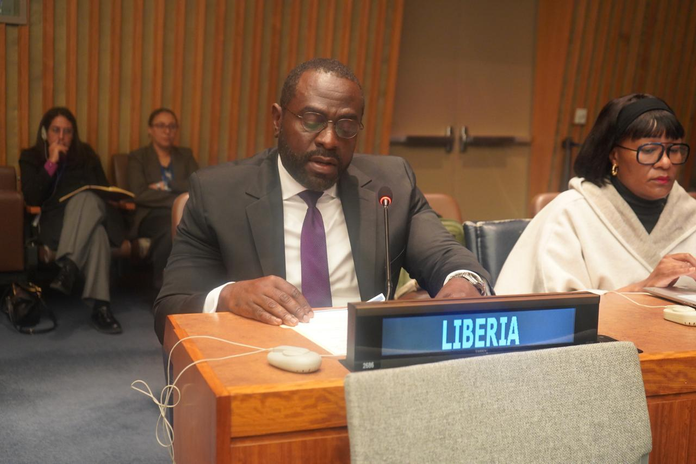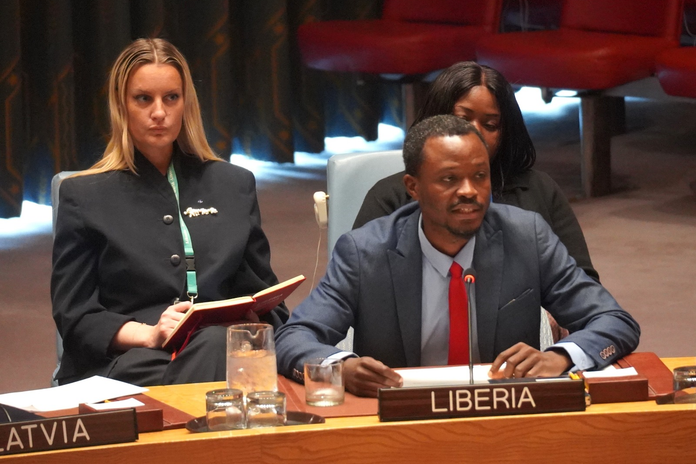
MONROVIA — County governments are directing the vast majority of their 2025 budgets toward development activities, but less than half of those allocations are fully aligned with priorities identified by citizens, according to a new assessment by Naymote Partners for Democratic Development.
The assessment found that 93% of approved county budget allocations across 11 counties were earmarked for development projects and interventions, while only 44.38% were fully aligned with priorities outlined in the counties’ Development Agendas (CDAs).
The findings highlight a growing emphasis on local development but also expose persistent gaps between what counties budget for and what citizens have identified as their most pressing needs.
The assessment was conducted under Naymote’s Social Accountability Monitoring Project, with funding support from the United Nations Development Programme (UNDP) and the United Nations Peacebuilding Fund (PBF).
Naymote said the initiative is intended to transform County Development Agendas from largely technical documents into practical accountability tools that citizens and county councils can use to influence development decisions, monitor public spending and advocate for community priorities.
The organization assessed 374 budget allocations valued at approximately US$10.3 million across 11 counties.
Of those allocations, 20.58% were partially aligned with CDA priorities, while 32.35% were not aligned with the priorities identified through the county development planning process.
The assessment also found that only 37.24% of approved funding was directed toward five major priorities identified by citizens: education, health, agriculture, roads and the rule of law.
A major concern identified by the assessment is the financing shortfall facing county development plans. According to Naymote, counties received only 11.4% of the estimated US$90 million required to implement their CDAs, leaving an 88.6% financing gap.
The report also found that approximately 82% of counties approved their Annual County Development Resolutions during the second half of Fiscal Year 2025. Naymote said the late approvals reduced the time available for implementation and contributed to project delays and budget rollovers.
The assessment was conducted between June 1 and July 31, 2026, following the deployment of 75 Social Accountability Monitors across Liberia.
Of those monitors, 55 successfully engaged county administrations and councils, obtained approved Annual County Development Resolutions, reviewed the status of approved projects and completed assessments in 11 counties.
However, the assessment did not achieve full national coverage because approved resolutions from Maryland, Margibi, Sinoe and Rivercess counties were not made available by the respective county administrations during the monitoring period.
Naymote said it has also simplified County Development Agendas and distributed them across all 15 counties to citizens, local media, county administrations, county councils, civil society organizations and academic institutions.
The organization said the effort has expanded public access to information on county development priorities and enabled citizens to participate more meaningfully in local decision-making.
The monitors compared approved 2025 county budget allocations with priorities contained in the CDAs and shared their findings with citizens, local media and county authorities.
According to Naymote, the process has allowed citizens to use evidence from approved county plans and budgets to ask informed questions and advocate for projects identified through public consultations.
County councils, it said, are also increasingly using CDAs to guide decision-making, conduct public hearings and improve the alignment of county budgets with citizens’ priorities.
In Grand Bassa County, for example, Naymote said its Social Accountability Monitoring Coordinator formally received the approved County Development Resolution from the County Superintendent.
Naymote described the development as an indication of growing institutional openness and recognition of citizens’ right to access and monitor local development plans and spending.
“The change is not only that citizens can access these documents. They can understand and use them to engage local authorities and advocate public resources to address priorities agreed upon by their communities,” said Eddie D. Jarwolo, Executive Director of Naymote Partners for Democratic Development.
The initiative has also received support from UNDP, which said stronger citizen participation in county budgeting could contribute to broader governance reforms.
“I am pleased that this initiative not only strengthens citizen participation in local development but also reinforces UNDP’s broader support to governance reforms,” said Trokon Bryant, UNDP Project Manager.
“By promoting transparency and accountability in county budgeting, the project contributes directly to advancing the rule of law and strengthening efforts to combat corruption,” Bryant added.
He said the partnership with the Government of Liberia supports implementation of the ARREST Agenda for Inclusive Development (AAID), particularly Pillar Four, which focuses on governance and anti-corruption.
Bryant said the collaboration is intended to ensure that county development funds are managed transparently, aligned with citizens’ priorities and protected against misuse.
“I extend sincere appreciation to Naymote for its strong partnership with UNDP and the Peacebuilding Fund in implementing the Social Accountability Monitoring Project. This collaboration is vital to empowering citizens, strengthening responsive governance, and building sustainable peace,” he said.
Despite the progress recorded, Naymote’s findings suggest that the central challenge is no longer simply whether counties are spending money on development, but whether those investments correspond to the priorities citizens have identified and whether counties have sufficient resources and time to implement them.
Naymote Partners for Democratic Development is a Liberian civil society organization focused on accountable democratic governance, political accountability, civic participation and inclusive development.
Support Independent Journalism
Your support helps FrontPage Africa continue delivering independent, credible, and impactful journalism. Every contribution strengthens our ability to investigate, inform, and hold power accountable while keeping quality journalism accessible to our readers.
Support our journalism or subscribe to receive the latest FrontPage Africa stories and updates.