Monrovia- Liberia’s rural women are rewriting the story of resilience and peace, as community-driven initiatives begin to bridge the gap between justice, livelihoods, and climate challenges.
By Jaheim T. Tumu- [email protected]
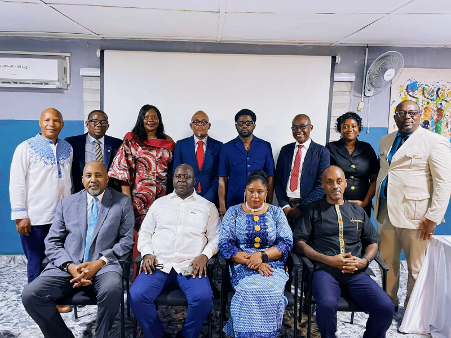
The Women’s Socio-Economic and Leadership Resilience Project (P4WOSELR), spearheaded by Platform for Dialogue and Peace (P4DP) with support from the Women Peace and Humanitarian Fund (WPHF) and UN Women Liberia, is showing how integrated interventions can empower women and persons with disabilities to become agents of change.
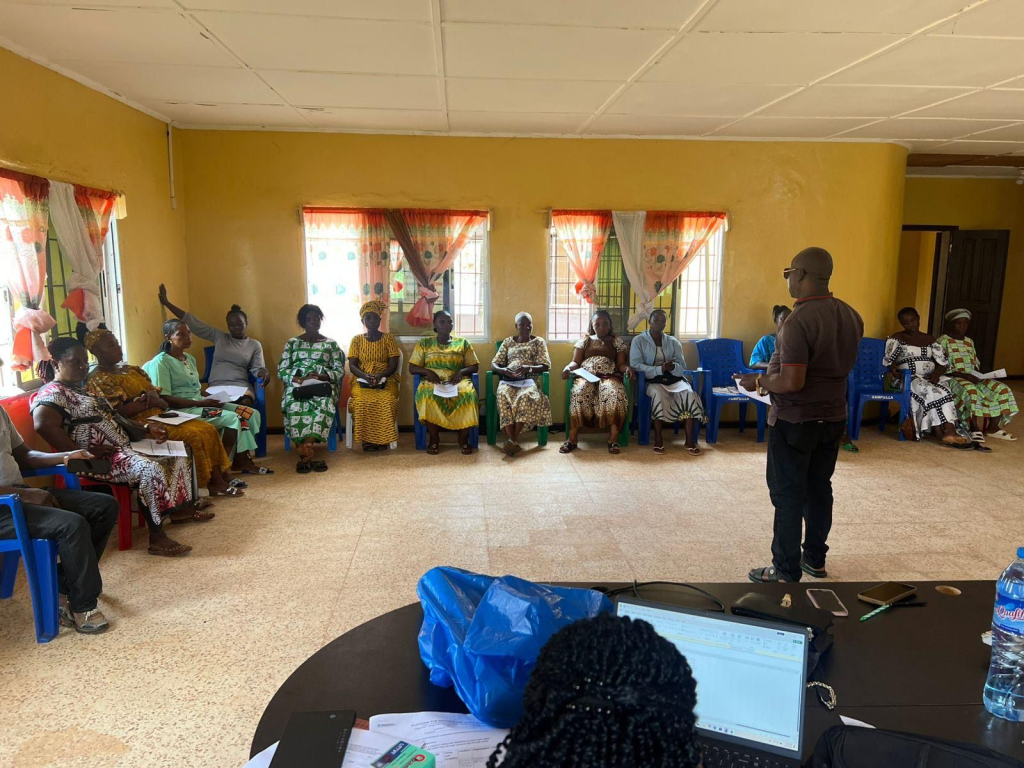
Between February 10 and April 10, 2026, the project reached Montserrado, Bomi, Grand Gedeh, and Grand Bassa Counties, equipping women farmers and marginalized groups with legal knowledge, farming inputs, and community protection networks.
For many participants, this was their first opportunity to understand their rights and access justice mechanisms. One beneficiary from Tubmanburg reflected.
“Before this training, I did not know where to go when my rights were violated. Now I understand the law and feel confident to speak up. The farming support is helping me stand on my own and support my family.”
The Intersection of Law, Land, and Climate
Field assessments conducted before the legal trainings revealed the deeper reality: women farmers are navigating a complex intersection of climate stress, land insecurity, and entrenched gender inequality.
Erratic rainfall and rising temperatures are reducing crop yields, threatening food security and income. Yet access to land remains precarious, with most women relying on male relatives or informal arrangements that offer little protection.
In Grand Gedeh County, these pressures are acute. Women farmers reported being steadily pushed off fertile land by migrant farming activities supported by male landowners.
In Zleh Town, one woman explained: “Burkinabees’ farming approach and results have drawn people’s attention to land in Grand Gedeh. The small pieces of land we women used are now being taken over by men. As I speak, the ten hectares our women’s group used for communal farming is now in confusion.”
Her words capture the growing displacement and uncertainty that threaten both livelihoods and fragile community peace.
Voices of Urgency
In Toffi Town, a women farmers’ leader expressed gratitude for the tools and training but underscored the urgent need for climate-smart farming practices:
“We are grateful for the farming tools and training, but we need more guidance. The sun is too strong, and our crops are dying. Please help us with climate-smart farming practices so we can sustain what we have started.”
This plea highlights a critical lesson: legal empowerment must be paired with climate-resilient livelihoods to deliver lasting impact.
Building Collective Strength
Momentum is building at the community level. Women participants—including members of the “Group of 77”—have begun organizing into a growing network of women farmers. This platform is fostering solidarity, strengthening collective voice, and creating new opportunities for advocacy around land rights and protection from exploitation.
As one local leader observed: “When women understand their rights and have the means to support themselves, they become powerful agents of change. What we are seeing now is women organizing, speaking out, and supporting one another—this is how lasting peace is built.”
The Road Ahead
While these achievements signal progress, they also reveal the scale of unmet need. Climate change, land pressure, and structural inequality continue to strain rural women and marginalized groups.
Without sustained investment in climate-smart agriculture, land rights protection, and inclusive economic opportunities, the gains risk being undermined.
The experience of P4WOSELR offers a compelling case for action: when women are equipped with knowledge, resources, and collective platforms, they strengthen not only their own lives but also the social fabric of their communities. In doing so, they lay the foundation for inclusive and lasting peace across Liberia.
Support Independent Journalism
Your support helps FrontPage Africa continue delivering independent, credible, and impactful journalism. Every contribution strengthens our ability to investigate, inform, and hold power accountable while keeping quality journalism accessible to our readers.
Support our journalism or subscribe to receive the latest FrontPage Africa stories and updates.