Monrovia — Customs authorities across West and Central Africa have pledged to intensify intelligence-sharing, strengthen cross-border enforcement and deepen regional cooperation as governments confront increasingly sophisticated networks involved in smuggling, illicit trafficking, customs fraud and transnational organized crime.
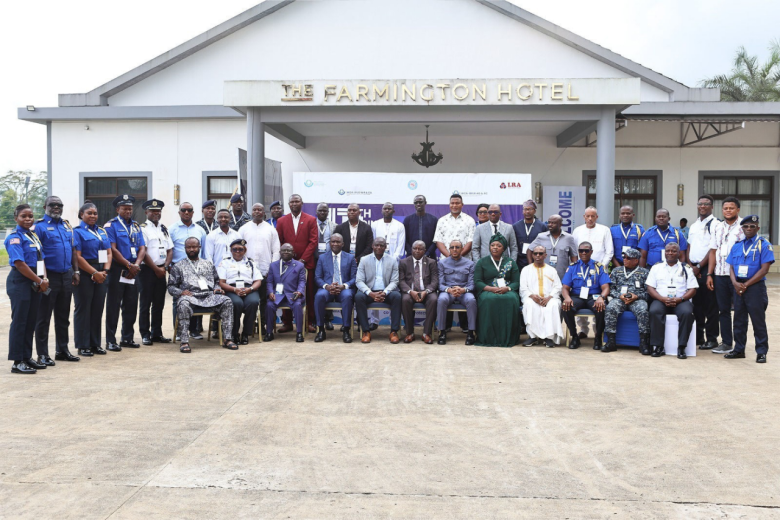
The commitment emerged from the 17th Joint Annual Meeting of National Contact Points (NCPs) of the World Customs Organization’s (WCO) Regional Intelligence Liaison Offices (RILO) for West and Central Africa, hosted by the Liberia Revenue Authority (LRA) at the Farmington Hotel in Margibi County from November 2 to 6.
More than 40 delegates representing over 17 countries, alongside regional and international partners, gathered to assess emerging security threats, examine weaknesses in existing intelligence sharing networks and develop coordinated responses to criminal activities exploiting national borders and increasingly complex international trade routes.
At the center of the discussions was a growing recognition that intelligence-sharing alone is insufficient unless information is translated into timely investigations, coordinated enforcement and measurable results.
The meeting called for a more integrated regional approach, urging national Customs administrations to strengthen their capacity to identify criminal networks, monitor suspicious trade activities and coordinate enforcement responses to threats that transcend national borders.
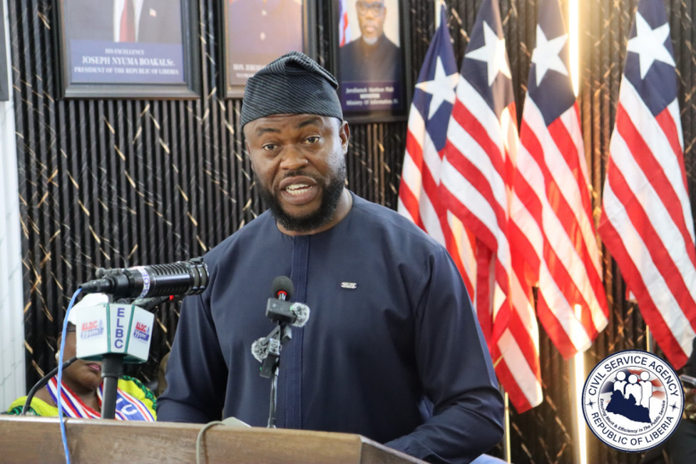
Liberia’s Commissioner of Customs, Saa Saamoi, warned that criminal organizations were adapting rapidly to changes in international commerce and global supply chains, requiring Customs authorities to become more strategic, responsive and technologically capable.
He said Customs administrations faced the dual responsibility of facilitating legitimate international trade while protecting national borders, safeguarding society and the environment, and ensuring the effective mobilization of government revenue.
“The intelligence shared but not executed to its logical conclusion is an effective failure of all the efforts that we put in,” Mr. Saamoi said, emphasizing the need to close the gap between intelligence collection and enforcement.
He urged participating countries to strengthen their national legal frameworks, invest in specialized professional training and establish effective monitoring mechanisms to ensure that intelligence reports result in concrete operational outcomes.
He also encouraged member administrations to ratify the Nairobi Convention and improve follow-up on intelligence requests, particularly those involving emerging patterns of customs fraud and illicit trade. The implementation of the meeting’s recommendations, he said, would remain a priority for consideration for the next Directors General of Customs meeting.
A central theme of the gathering was the importance of National Contact Points, which serve as the operational links between national Customs administrations and the WCO’s regional intelligence network.
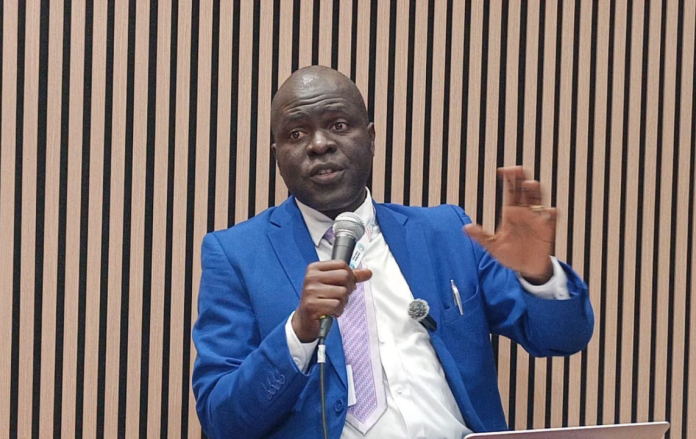
Amandu Tejan Cisse, Director General of RILO West Africa, said the effectiveness of the regional intelligence system depended heavily on the ability of National Contact Points to move beyond information transmission and facilitate meaningful coordination among national and regional enforcement structures.
He stressed that contact points needed clearly defined responsibilities, adequate resources, appropriate working conditions and sustained institutional support to perform their functions effectively.
Mr. Cisse reaffirmed the regional offices’ commitment to working with national contact points and the WCO Secretariat to improve intelligence exchange, operational coordination and the region’s overall capacity to combat customs-related offenses.
In her remarks, Diya Abezene Portia, RILO National Contact Point for the Central African Republic, underscored the need to modernize Customs enforcement systems and strengthen regional cooperation to combat smuggling, the trafficking of prohibited goods, money laundering and transnational organized crime.
She highlighted the strategic value of intelligence in anticipating and detecting customs violations, improving risk-management systems, strengthening targeting mechanisms and ensuring that enforcement resources are directed toward the highest-risk activities.
The meeting’s recommendations reflected an effort to transform regional cooperation from a largely information-sharing arrangement into a more coordinated enforcement framework.
Delegates called for stronger National Contact Points across member administrations, improved real-time communication among national and regional intelligence networks, and more systematic analysis of information collected through domestic and international operations.
They also recommended expanding specialized training in intelligence analysis, risk management, targeting and operational coordination, while strengthening documentation and follow-up procedures under the Customs Memorandum Plan.
Other priorities included regular assessments of the implementation and effectiveness of adopted recommendations, wider information exchange with the global RILO network and closer collaboration with national, regional and international law enforcement agencies.
The delegates further called for stronger national legislation and appropriate sanctions to address illicit trafficking and illicit financial flows.
The recommendations placed particular emphasis on the institutional capacity of National Contact Points. Customs administrations were urged to provide the officials with adequate resources, recognize their contributions and ensure their active participation in regional anti-fraud initiatives.
National Contact Points were also encouraged to improve intelligence reporting, submit annual reports in English or French, regularly brief their Director Generals on emerging customs threats and increase their engagement with the WCO’s Customs Law Enforcement Intelligence and Collaboration (CLIC) platform and other relevant intelligence systems.
The gathering comes as governments across Africa face mounting pressure to secure borders without creating unnecessary barriers to legitimate trade. Smuggling, illicit financial flows and organized trafficking networks not only threaten public safety but can also undermine government revenues, distort markets and weaken confidence in national institutions.
For Liberia, hosting the regional meeting provided an opportunity to contribute to the development of a stronger continental and international customs intelligence network while reinforcing its commitment to regional security and institutional cooperation.
The Liberia Revenue Authority’s hosting of the gathering also placed the country at the center of discussions on the future of customs intelligence and coordinated enforcement in West and Central Africa.
Support Independent Journalism
Your support helps FrontPage Africa continue delivering independent, credible, and impactful journalism. Every contribution strengthens our ability to investigate, inform, and hold power accountable while keeping quality journalism accessible to our readers.
Support our journalism or subscribe to receive the latest FrontPage Africa stories and updates.