Monrovia — The Liberia Electricity Regulatory Commission (LERC) has announced landmark reductions in electricity tariffs for most customer categories, following the conclusion of a rigorous multi-year tariff review process mandated by the 2015 Electricity Law of Liberia.
By Gerald C. Koinyeneh
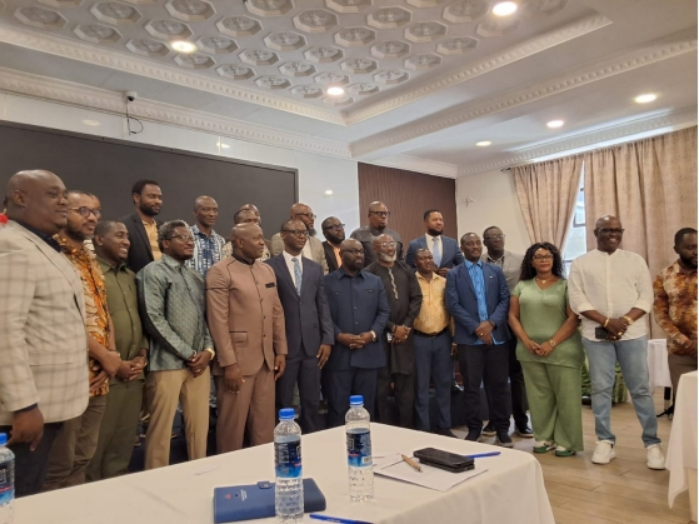
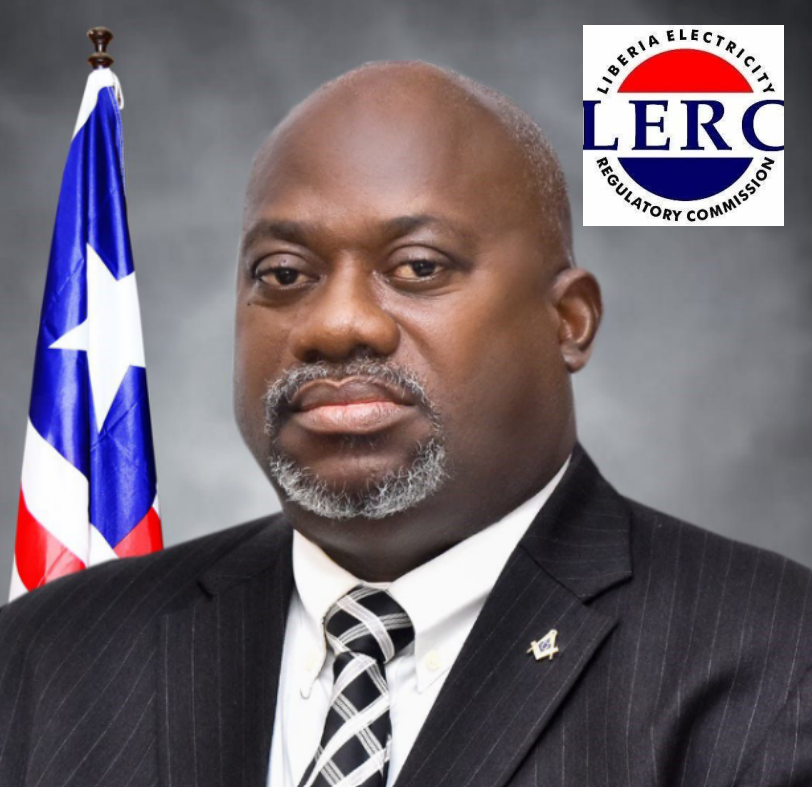
Making the announcement at LERC’s headquarters on 24th Street, Sinkor on Friday, Board Chairman Claude J. Katta said the new tariffs—approved after extensive technical analysis and nationwide public consultations—will take effect on January 1, 2026, and remain valid through December 31, 2028.
Other commissioners present at the announcement were Amara M. Kamara and Atty. Kla Edward Toomey II, while the Liberia Electricity Corporation (LEC) was represented by its top management team, including Engr. Thomas Zailee Gonkerwon, Deputy Managing Director for Operations; Engr. Mohammed L. Sow, Deputy Managing Director for Technical Services; and Eric Augustine B. Fredericks, Deputy Managing Director for Administration.
Background to the Tariff Review
Chairman Katta explained that the tariff-setting process began on September 13, 2024, when LERC formally requested LEC to submit a tariff application covering the 2025–2027 period. However, multiple leadership transitions at LEC resulted in delays, withdrawals, and resubmissions before a final application was completed on September 30, 2025.
The final submission expanded coverage to newly licensed areas in Grand Bassa and Rivercess counties and underwent extensive scrutiny, including data verification, technical working sessions, and regulatory reviews. On October 14, 2025, LERC declared the application complete and initiated the formal tariff revision process.
Nationwide Public Hearings
As part of its consultative mandate, LERC conducted six public hearings between October and November 2025 in Montserrado, Margibi, Bomi, Grand Cape Mount, Rivercess, and Grand Bassa counties. The hearings attracted 1,057 participants and generated 103 written submissions from stakeholders, including civil society groups, businesses, students, and LEC customers.
Key concerns raised during the hearings focused on electricity affordability, reliability, customer service, grid expansion, and safety of installations.
Approved Tariff Reductions
Following the review, LERC approved new rates and charges for various customer categories:
- Social Tariff Customers (≤25kWh/month):
Reduced to 13 US cents per kWh, down from 15 cents — a 13.3% reduction. No fixed charges apply. - Prepaid Residential Customers:
Reduced to 22 US cents per kWh, an 8.3% reduction, with a monthly fixed charge of US$2.00, down from US$2.48. - Postpaid Residential Customers:
Reduced to 22 US cents per kWh, also an 8.3% reduction, with a fixed charge of US$3.79, down from US$4.47. - Prepaid Non-Residential Customers:
Energy rate remains 22 US cents per kWh, but the fixed charge drops to US$8.48, from US$10.00. - Postpaid Commercial Customers:
Energy rate remains 22 US cents per kWh, while the fixed charge is reduced to US$10.17, from US$12.00. - Medium Voltage Customers (22kV–33kV):
Increased slightly to 20 US cents per kWh, a 5.3% increase, with the fixed charge reduced to US$42.40, from US$50.00.
Connection Charges Adjusted
LERC also approved new connection charges:
- Single-phase connection: US$70, up from US$22, though customers will not pay this fee where grid expansion is fully donor- or government-financed.
- Three-phase connection: US$340, a slight reduction from US$350.
Key Drivers of the Decision
According to Chairman Katta, the approved tariffs were informed by realistic growth projections, expected reductions in technical and commercial losses—from 41% in 2025 to 28% by 2028—and a merit-order dispatch framework designed to minimize generation costs. Total capital investment during the tariff period is projected at US$256 million.
The tariffs also include a 3.5% regulatory levy on LEC’s annual revenue requirement to support LERC’s regulatory functions, as required by law.
What’s Next
A detailed tariff determination report will be published on LERC’s website and shared with stakeholders on December 19, 2025.
In closing, Chairman Katta thanked the Government of Liberia, the Legislature, LEC management and staff, development partners, the media, and the public for their cooperation throughout the process.
“These tariffs reflect our responsibility to balance affordability for consumers with the financial sustainability of the electricity sector,” he said.
About the LERC
The Liberia Electricity Regulatory Commission was created under the Electricity Law of Liberia, 2015, when the National Legislature passed the law to reform and liberalize the electricity sector. That law established LERC as an independent regulator for the electricity industry in Liberia.
Prior to this, the electricity environment was largely unregulated, with the Liberia Electricity Corporation (LEC) functioning mainly as the government-owned utility providing electricity services. The 2015 law repositioned LEC as a service provider and established LERC as the regulatory authority to oversee operations.
LERC was set up to oversee and regulate the electricity sector to ensure it functions in a competitive, transparent, sustainable, and investor-friendly environment, attract private sector investment in generation, transmission, and distribution, and accelerate access to electricity services and improve service reliability and quality for consumers.
Under the 2015 Electricity Law and its regulatory instruments, LERC is responsible for licensing of operators (generation, transmission, distribution, import/export, etc.) and issuing permits in the sector, tariff approval and economic regulation to ensure tariffs are fair, cost-reflective, and within efficient cost structures, technical regulation by setting technical standards and codes, and ensuring compliance, quality of service & consumer protection — protecting consumer rights and monitoring service standards, dispute resolution — handling complaints and disputes between service providers and customers and public awareness and demand-side management and efficiency promotion.
Governance Structure
LERC is governed by a Board of Commissioners (BoC) appointed by the President, with oversight responsibilities and authority to approve regulatory policies and major decisions, while a Managing Director leads the operational and administrative functions of the Commission, implementing Board decisions.
Evolution and Sector Impact
Since its establishment, the LERC has licensed multiple electricity operators beyond LEC, issued regulations, and developed regulatory instruments to guide the sector. In addition, it has introduced digital platforms and certification systems to regulate electrical professionals and improve safety standards.
Liberia’s progress under LERC’s regulatory framework has been recognized internationally, with the country ranking among the top performers in the African Development Bank’s Electricity Regulatory Index.
Significance
The establishment of LERC marked a major shift in Liberia’s energy sector, transitioning from a mostly public-utility-run system to one with independent oversight, clearer regulatory frameworks, private sector involvement, and enhanced consumer and investor confidence — all aimed at expanding access to reliable and affordable electricity nationwide.
Support Independent Journalism
Your support helps FrontPage Africa continue delivering independent, credible, and impactful journalism. Every contribution strengthens our ability to investigate, inform, and hold power accountable while keeping quality journalism accessible to our readers.
Support our journalism or subscribe to receive the latest FrontPage Africa stories and updates.