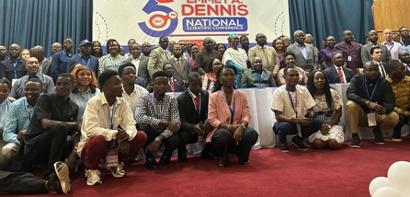
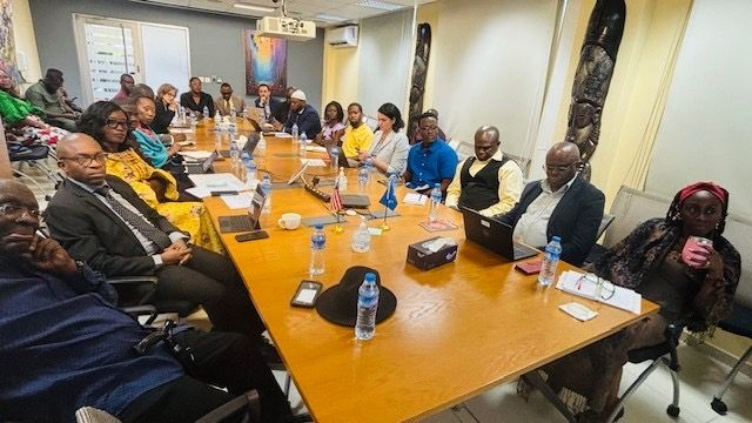
MONROVIA – The World Bank Liberia Country Office on Tuesday, February 24, convened a high-level seminar titled – From Evidence to Scale: Jobs and Productivity Insights from Liberia’s Social Protection Portfolio.
The seminar focused on the kinds of investments in people that can spur jobs, productivity, and more resilient communities.
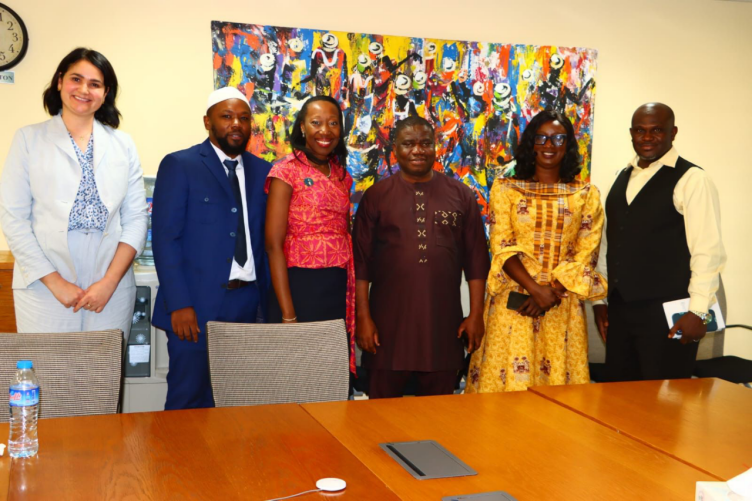
Chaired by World Bank Liberia Country Manager Georgia Wallen, the seminar discussed how evidence can inform policies that create jobs and raise productivity.
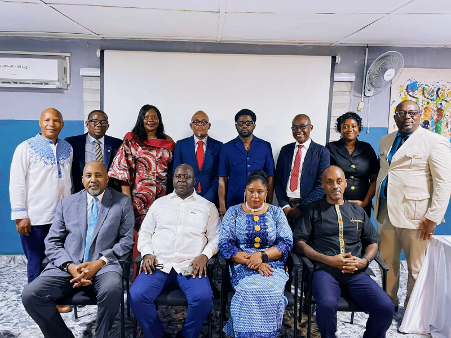
The event was also attended by the Minister for Gender, Children and Social Protection, Hon. Gbeme Horace‑Kollie, and Deputy Minister for Economic Management at the Ministry of Finance and Development Planning, Hon. Dehpue Y. Zuo and brought together government leaders, development partners, youth representatives, and practitioners.
Discussions highlighted how job-oriented social protection, combining income support with skills development, coaching, access to capital, market linkages, and digital and financial inclusion—can deliver strong economic and social returns.
Evidence from Liberia shows gains in incomes, savings, business ownership, labor supply, and food security, alongside improved school enrollment and greater economic empowerment for women.
Participants emphasized how these results support Liberia’s ARREST Agenda for Inclusive Development (2025–2030) and demonstrate the role of social protection in driving inclusive growth and resilience.
The seminar presented findings from five randomized controlled trials conducted between 2019 and 2024, covering Liberia’s social cash transfer program, a small business support intervention, and a community agriculture and livelihoods support program.
The results were consistently strong and aligned with global evidence, showing that cost‑effective, time‑bound interventions that address key constraints—such as access to capital, skills, and information—can help poor and vulnerable households move into more productive work.
The impacts are substantial. The Social Cash Transfer program increased household income by 57 percent and school enrollment by 10 percent.
The Community Agriculture and Livelihoods intervention led to a 38 percent increase in hours worked, a 13 percent rise in harvests sold, a 21 percent reduction in community conflict, and a 10 percent reduction in food insecurity. The Small Business Support intervention increased business ownership by 65 percent, weekly income by 25 percent, and life satisfaction by 27 percent.
Support Independent Journalism
Your support helps FrontPage Africa continue delivering independent, credible, and impactful journalism. Every contribution strengthens our ability to investigate, inform, and hold power accountable while keeping quality journalism accessible to our readers.
Support our journalism or subscribe to receive the latest FrontPage Africa stories and updates.