MONROVIA – Before the sun had fully risen, the smell hit first. Rotting garbage, stagnant water and drains choked with plastic and waste. This had been the daily reality for the market women of Joe Bar Market in Montserrado County’s Electoral District #10, who sell food just steps away from filth.
By Emmanuel Weedee-Conway
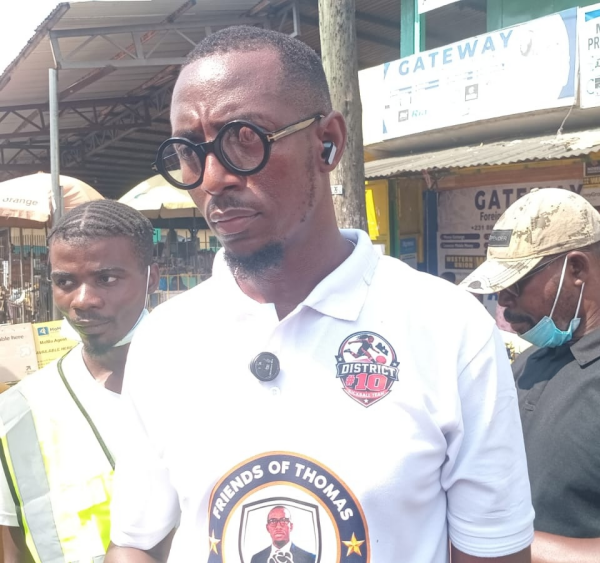
But on Saturday, that reality changed, if only for a day, when District #10 Representative aspirant Thomas Taylor traded campaign talk for manual labor and joined residents to clean the market and its surroundings.
With shovels, wheelbarrows, and bare hands, Taylor worked side-by-side with youth volunteers, and community dwellers to clear blocked drainages, haul away mounds of garbage, and scrub down selling spots that had been abandoned to waste.
For Ma Mary, a trader who has sold dried fish at Joe Bar for over 15 years, the sight was unfamiliar.
“Politicians usually come here to talk and take pictures. This one came to work,” she said, wiping sweat from her forehead. She added: “For the first time, our market can breathe.”
Her story is common here. When it rains, the blocked drains overflow, flooding stalls and spoiling goods. Traders lose money. Children playing nearby fall sick. The women say they have complained for years, but little has changed.
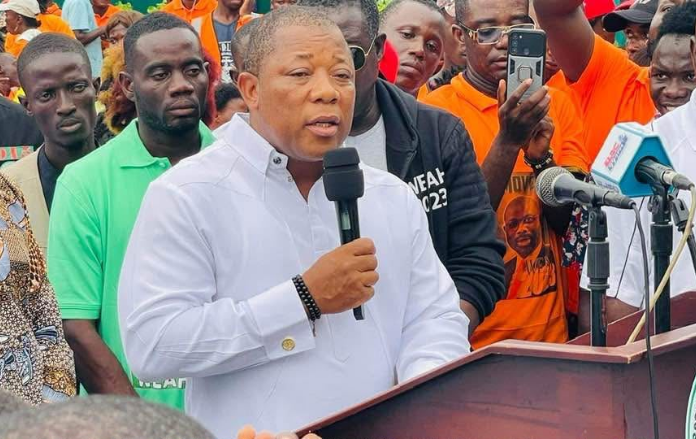
Taylor indicated that he did not come to make promises, but to share in the burden.
“Representation is not about sitting in an office in Capitol Hill. It is about standing in the dirt with your people. These women feed this district. The least we can do is help them sell in a clean and safe place.”
He also pointed to the ongoing legal dispute over the district’s representation, stressing that the people of District #10 cannot wait for politics to settle before their market is cleaned and their children are protected from disease.
“Politics will pass, but Joe Bar will remain. Whether I am in the seat or not, this community must be clean,” Taylor said.
By midday, the transformation was visible. Drainages that had been clogged for months were flowing again. Piles of waste were gone. Traders rearranged their tables on newly cleared ground.
Market leaders thanked Taylor and the volunteers, but also issued a challenge to their own people to keep it clean.
“We must not go back to throwing garbage in the drain,” one market leader said. “If we dirty it again, we are the ones who will suffer.”
As Taylor left the market, his boots covered in mud, several women walked him to the road, still thanking him.
For them, Saturday was not about an election. It was about dignity — a clean place to work, to sell, and to survive.
Support Independent Journalism
Your support helps FrontPage Africa continue delivering independent, credible, and impactful journalism. Every contribution strengthens our ability to investigate, inform, and hold power accountable while keeping quality journalism accessible to our readers.
Support our journalism or subscribe to receive the latest FrontPage Africa stories and updates.